
Level 1 sweep and inspection to the NFPA 211 annual standard - flue, crown, cap, and flashing checked and photographed
Chimney sweep logs do not sweep chimneys. They loosen some creosote - which then falls where a brush and vacuum still have to collect it.
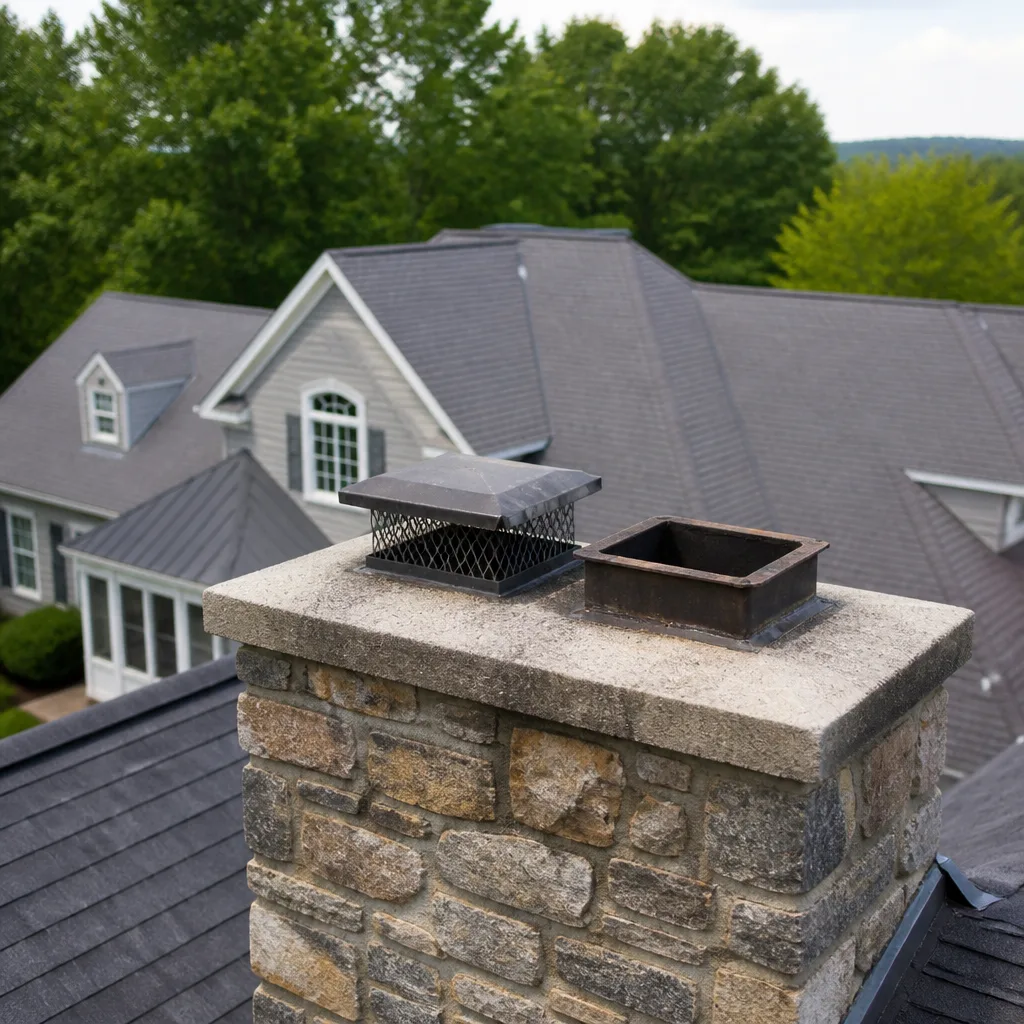
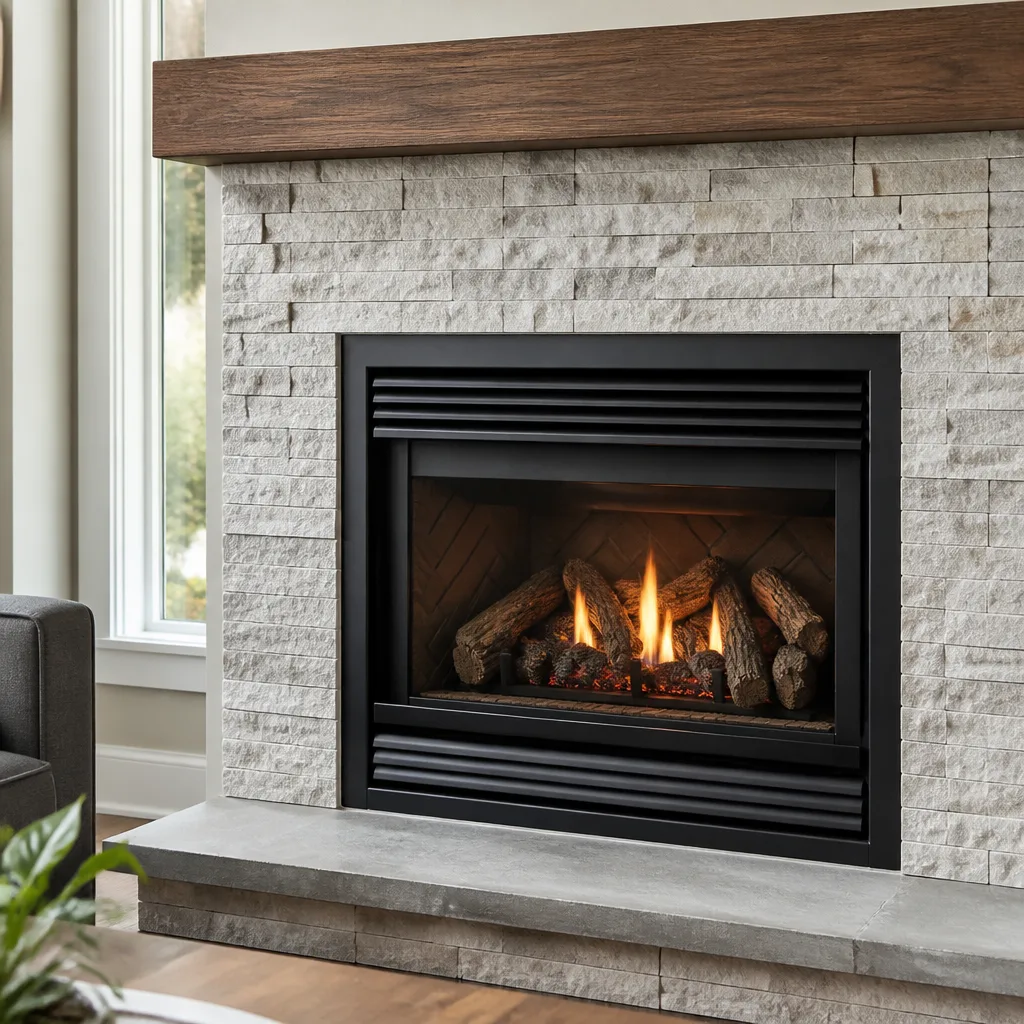
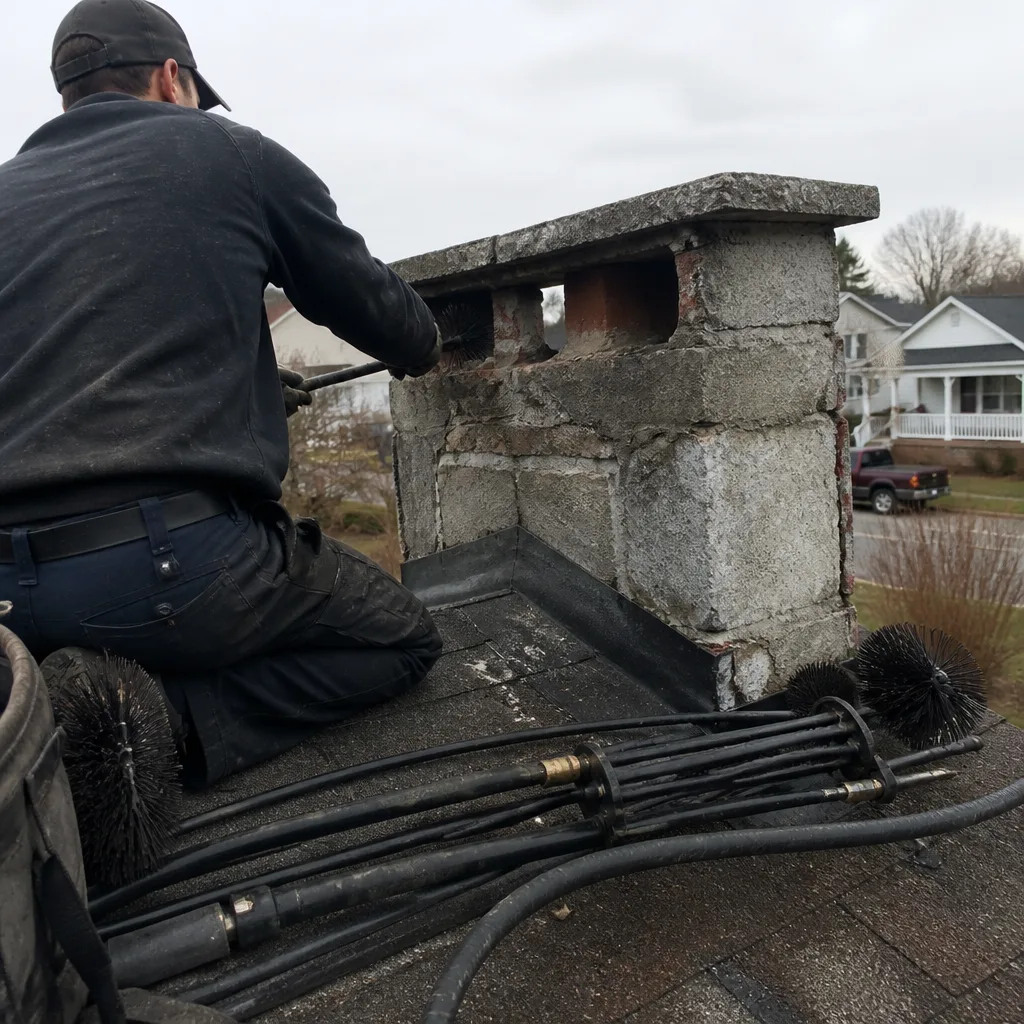 Before
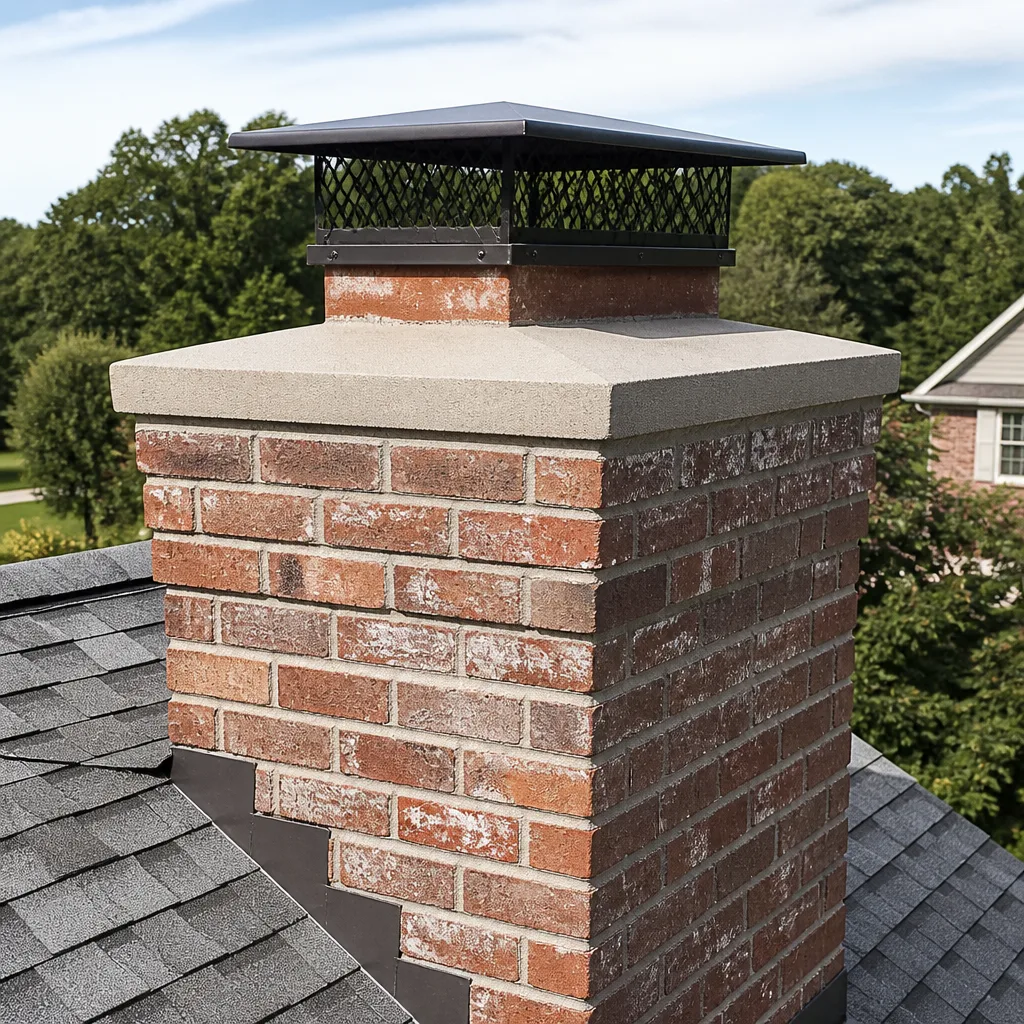
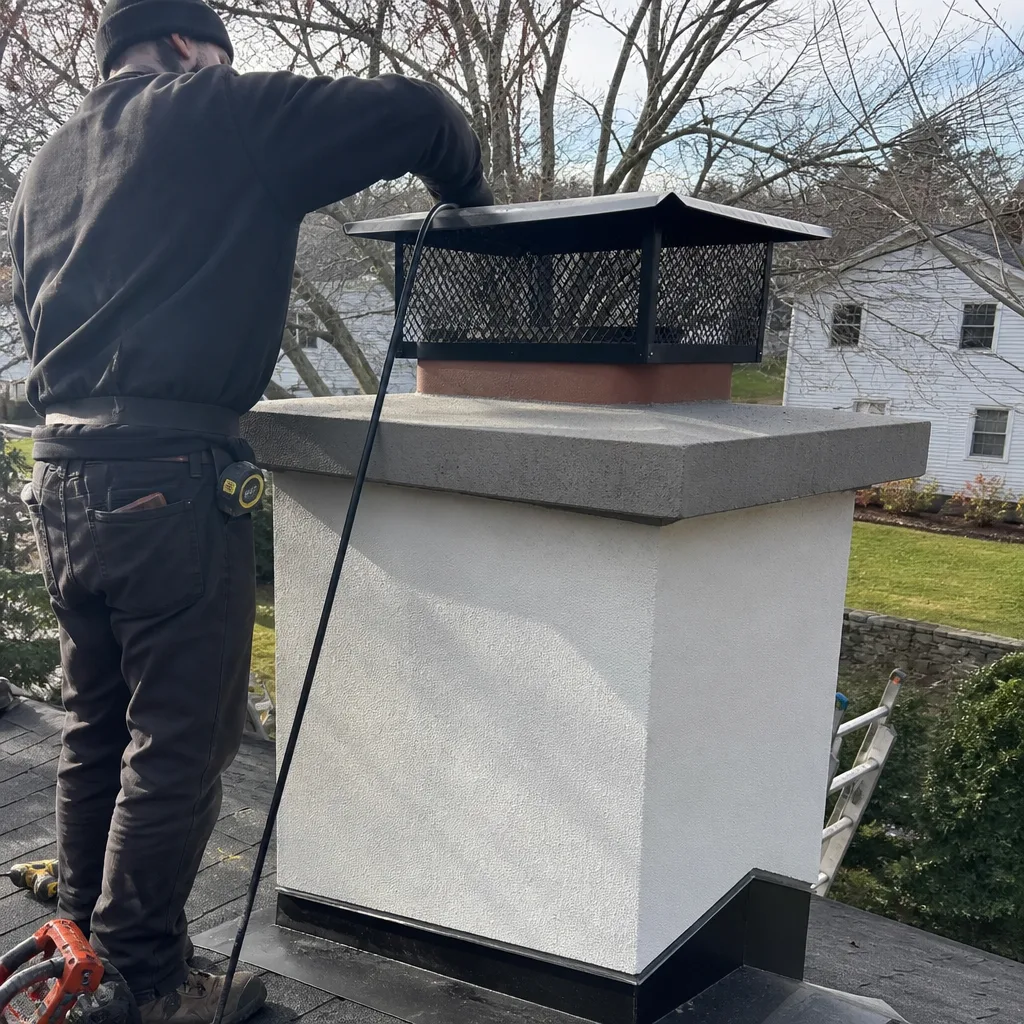 After
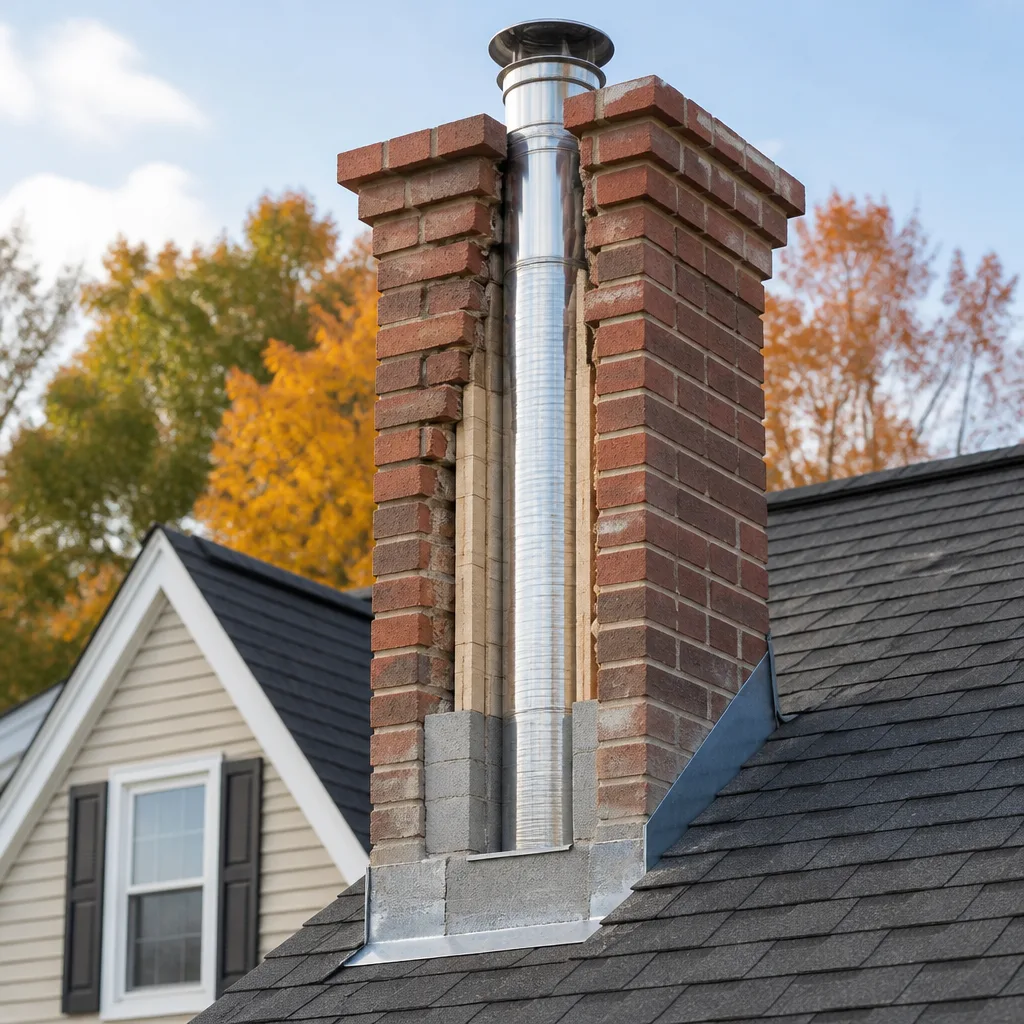
After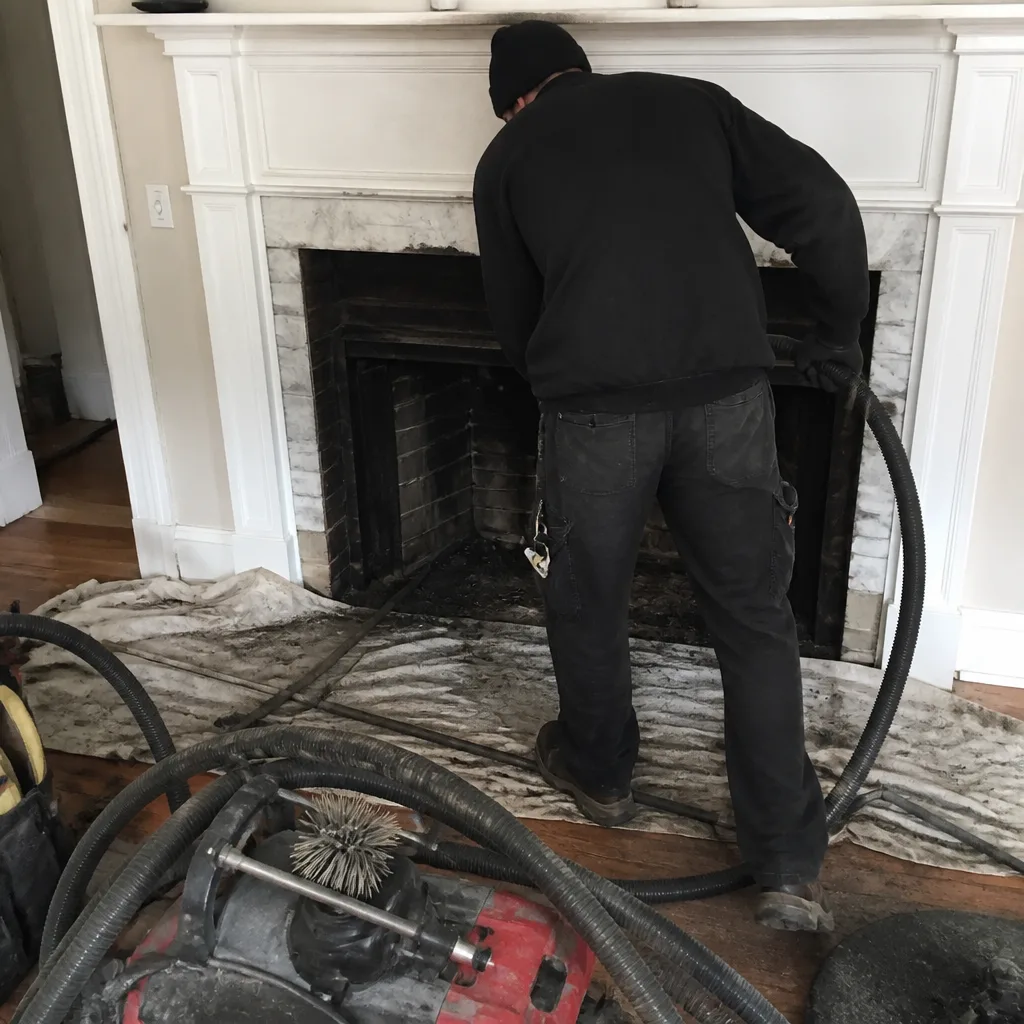 Before
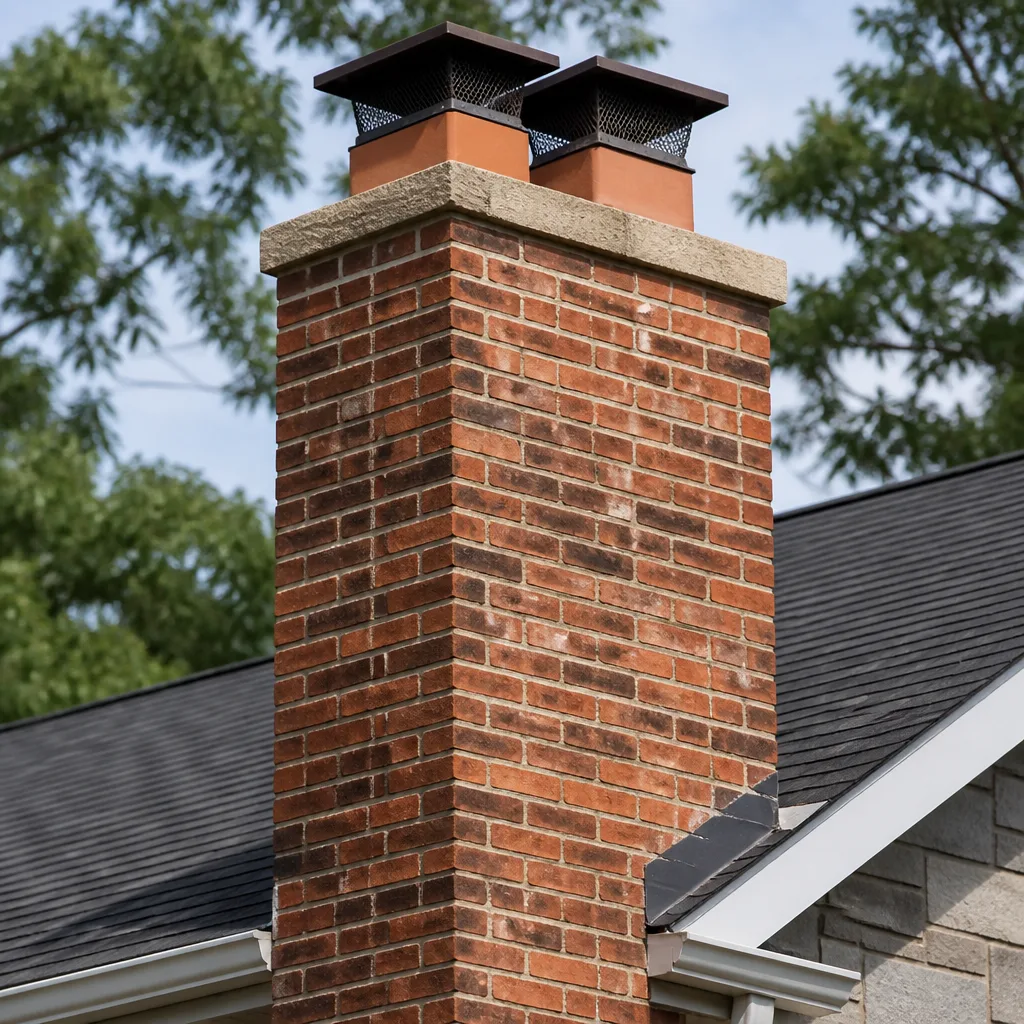
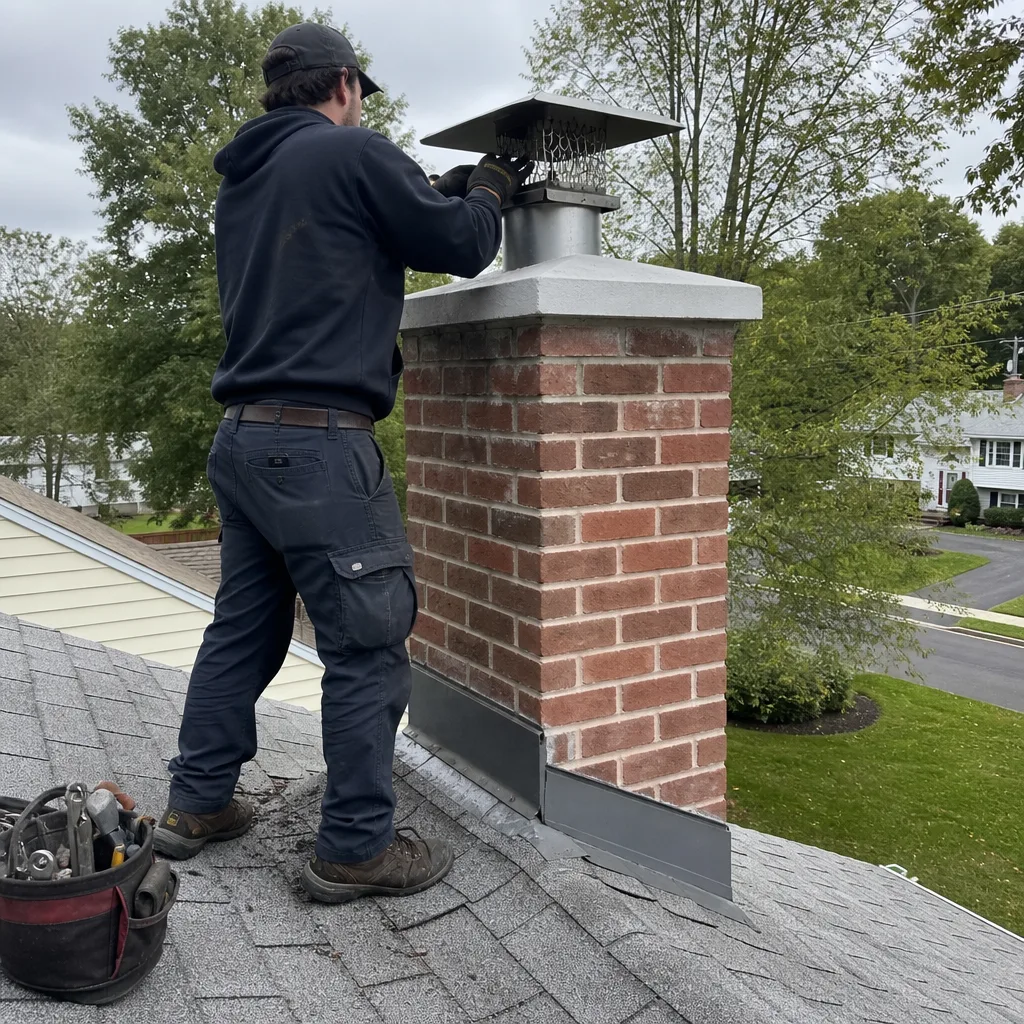 After
After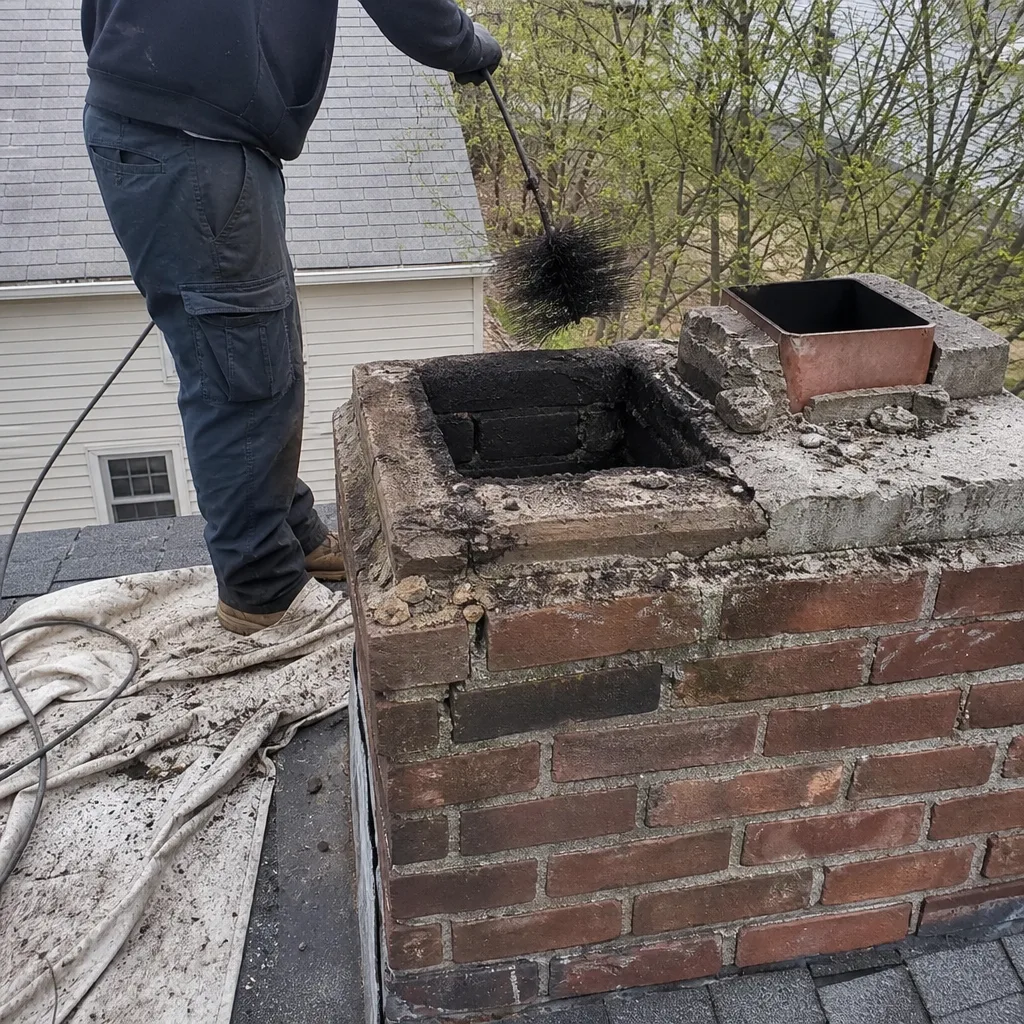 Before
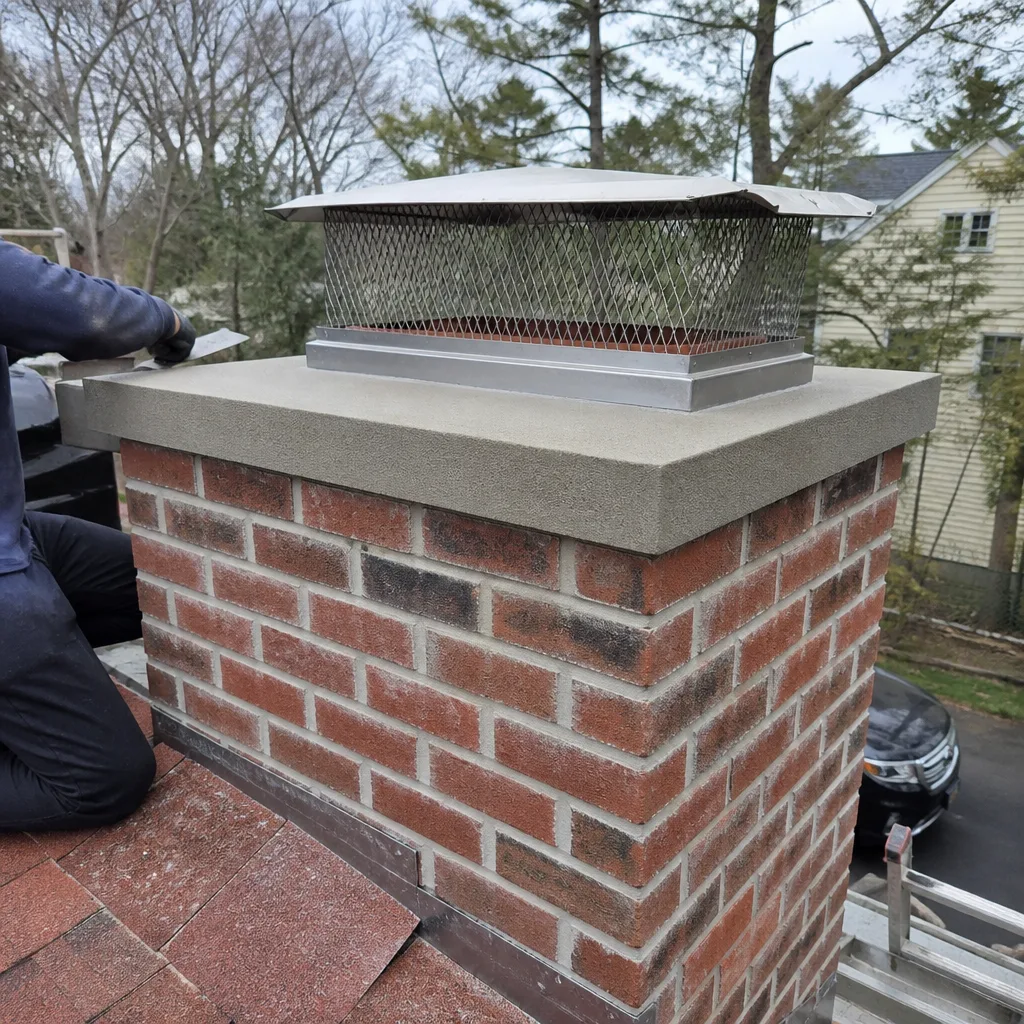 After
AfterCreosote Removal in Norwalk, CT
Chimney Cleaning & Sweep services remove the hardened, flammable residue that wood smoke deposits inside your flue liner over time. In Norwalk, where a lot of homes run wood-burning inserts or open masonry fireplaces through a Connecticut winter that can stretch from October into April, that buildup happens faster than most people expect. Left alone, it becomes the leading cause of chimney fires – and chimney fires rarely look like the movies. Most happen quietly, inside the flue, and the damage shows up later.
Wendell Pike and his crew have been pulling creosote out of Norwalk chimneys since 1999. If you’ve got buildup and want a straight answer on what it’ll take to clear it, call (475) 375-2748. Someone will pick up – live, around the clock – and it may well be Wendell himself.
Creosote removal is part of what we do under Chimney Cleaning & Sweep in Norwalk. But because third-degree glaze creosote is a different animal from a standard sweep job, it gets its own process, its own tools, and its own honest conversation upfront.
What Creosote Actually Is (and Why Norwalk Homes See a Lot of It)
When wood burns, it releases gases and unburned particles that travel up the flue. When those gases hit a cooler surface – the liner wall – they condense. That condensate is creosote. It starts as a light, dusty film. Given enough low-temperature fires, unseasoned wood, or a flue that’s undersized for the appliance, it thickens into a tar-like coating. Push past that stage and you get third-degree glaze: a hard, shiny crust that bonds to the liner like lacquer.
Norwalk’s older housing stock plays a role here. Many homes in East Norwalk, Cranbury, and the West Norwalk hills were built with fireplaces sized for decorative burning rather than serious heat output, making Fireplace Cleaning especially important. When homeowners started using those fireplaces as actual heat sources during the energy crunches of the 1980s – and again more recently – the flues weren’t always the right diameter or height for efficient draft. Slow, smoldering fires in a mismatched flue are a creosote factory.
Add Connecticut’s shoulder seasons into the picture: fires lit in October before the flue is fully warm, fires run low at night to extend the wood supply. Both conditions encourage creosote deposition. By the time a Norwalk homeowner calls us in late November, we sometimes find a full season’s worth of buildup that was never swept after the prior spring.
The Three Degrees – and Why They Matter
First-degree creosote is a brush job. It’s the loose, flaky soot that a good rotary sweep removes in one pass. You should see this after every active burn season.
Second-degree creosote is tar-like, denser, and harder to shift. It needs chemical treatment and a more aggressive rotary brush, sometimes multiple passes.
Third-degree is a glaze. It adheres to the liner, resists standard brushing, and requires chemical log treatments, specialized rotary tools with hardened attachments, or in serious cases a full liner assessment before any cleaning begins. Attempting to brush third-degree creosote away without the right prep can fracture a clay tile liner. That’s when a cleaning job turns into a liner replacement job – and that’s something Wendell will tell you before he starts, not after.
A brief word on safety: third-degree glaze and heavily saturated second-degree buildup are genuine fire hazards. The creosote itself can ignite at temperatures a fireplace routinely reaches. If you notice a strong, acrid smell coming from your firebox even when there’s no fire lit, black oily residue on the damper or smoke shelf, or you’ve had any unusual smoke behavior recently, don’t run another fire. Call first and let the sweep look before you light up again.
When You Need Creosote Removal
- You burned more than two cords of wood last season. Heavy use in a Norwalk home with a standard masonry flue almost always means second-degree buildup is present by March. Once a year, minimum – burn or no burn.
- You smell something acrid from the fireplace in the off-season. That smell is creosote off-gassing in summer humidity. Norwalk’s coastal air pulls moisture into flues, and wet creosote smells significantly worse than dry. It also signals that the deposit is thick enough to absorb and hold water.
- Your fires have been slow to draft or smoky. A thick creosote lining narrows the effective diameter of your flue, restricting airflow and making the fire work harder to pull air up the chimney.
- You’ve been burning green or unseasoned wood. Unseasoned wood produces more smoke, lower combustion temperatures, and far more creosote per cord than properly dried hardwood. One winter of green wood can deposit as much creosote as two or three seasons of seasoned oak.
- A prior sweep flagged creosote buildup but didn’t treat it. Some companies, particularly the national outfits that send a different face every year, do a visual sweep and note the problem without addressing it. If you have a written estimate that mentions “heavy creosote” and the job was never completed, that’s worth a free second look – which we offer on any competing written estimate.
- You haven’t had the chimney swept in more than 12 months and used the fireplace at all. The National Fire Protection Association’s NFPA 211 standard calls for annual inspection and cleaning as needed. Twelve months is the outside window, not a suggestion.
Our Creosote Removal Process
- Inspection before anything touches the flue. Wendell or his crew opens with a camera inspection – down the flue, into the firebox, around the smoke shelf and damper. You see the same footage we see. Before a brush goes in, you know what’s there: which degree of creosote, how deep, and whether there are any cracks or structural issues that need to be addressed before or during cleaning. No surprises, no upsell pressure – just the camera footage and a plain-English verdict.
- Upfront pricing before work begins. Based on what the camera shows, we give you a firm number before a single tool comes off the truck. The number you hear is the number on the invoice. If the job turns out to be more involved than the inspection revealed – which is rare when you start with a camera – we tell you before we proceed, not after.
- Preparation and containment. Drop cloths go down across the hearth and surrounding floor. The firebox is sealed with a fitted cover to keep dust and debris from entering the room. In Norwalk homes with older hardwood floors and antique hearth surrounds – common in the Tokeneke and Rowayton areas – we’re deliberate about this step.
- Chemical pre-treatment for second- and third-degree buildup. If the inspection shows glazed or heavily tarred creosote, we apply a chemical treatment designed to break down the glaze and make it mechanically removable. We use products from trusted lines – including HeatShield and Gelco formulations where appropriate – and allow the proper dwell time before mechanical cleaning begins. Skipping this step with third-degree creosote risks cracking tile liners. We don’t skip it.
- Rotary cleaning and extraction. Power-rotary rods with the appropriate brush head work from the top down. A high-suction HEPA vacuum at the firebox captures dislodged material continuously. This isn’t a brushing job done by hand with the homeowner holding a trash bag – it’s a contained, systematic clean.
- Post-clean inspection and documentation. Once cleaning is complete, the camera goes back down. You see the before and after. If a follow-up treatment pass is needed – sometimes a single chemical application on heavy glaze isn’t enough to clear everything in one visit – we tell you honestly, schedule accordingly, and stand behind the result with the 90-Day Done Right Promise. One call brings us back.
Creosote Removal Pricing in Norwalk
Creosote removal in Norwalk typically runs between $180 and $650, depending on the degree of buildup, the height and configuration of the flue, and whether chemical treatment is required. A standard sweep to remove first-degree creosote is at the lower end of that range. Third-degree glaze treatment involving chemical pre-treatment, rotary cleaning, and a follow-up inspection sits at the higher end. Below are honest ranges based on what we see regularly in Norwalk homes.
| Service | Typical Range (Norwalk) |
|---|---|
| Level 1 sweep – first-degree creosote, single flue | $180 – $260 |
| Level 2 removal – second-degree tarring, chemical + rotary | $280 – $420 |
| Level 3 glaze treatment – third-degree creosote, full process | $420 – $650 |
| Camera inspection (credited toward cleaning when booked together) | $95 – $130 |
| Follow-up treatment visit (second chemical pass, if needed) | $120 – $180 |
A few things that affect where you land in those ranges: flue height (a Norwalk cape vs. a colonial with a two-story run makes a real difference), whether there’s a wood-burning insert that needs to be pulled for access, and the specific configuration of your smoke chamber. Homes in Silvermine with older rubble-stone chimneys sometimes have irregular flue dimensions that take longer to work through than a standard 8×12 clay tile run.
Current standing offers that apply to this work:
- $40 off any repair over $200 – applies when creosote removal is combined with a repair like a damper replacement or smoke chamber parging.
- 10% off always for seniors and veterans – no coupon needed, just tell us when you call.
- Free second opinion on any competing written estimate – if another company quoted you for creosote removal or a full liner replacement stemming from it, we’ll come look for free and give you an honest comparison.
- No trip charge inside our service county – Norwalk is squarely in our territory. You won’t see a fuel surcharge or convenience fee tacked onto the invoice.
Estimates are free and given upfront. Call (475) 375-2748 and get a real number before anyone opens a tool bag.
FAQs – Creosote Removal in Norwalk
How much does creosote removal cost in Norwalk, CT?
Creosote removal in Norwalk runs $180 to $650 for most residential jobs, with the range depending on the degree of buildup and whether chemical treatment is needed. A basic first-degree sweep sits around $180-$260. Full third-degree glaze treatment, which requires chemical pre-treatment, rotary cleaning, and a follow-up camera inspection, typically falls between $420 and $650. We give you an upfront firm number after the initial camera inspection – before any cleaning starts. Call (475) 375-2748 for a free estimate on your specific setup.
Is creosote removal something I can do myself?
First-degree creosote – the light, flaky soot on a well-maintained flue – can be addressed with a standard chimney brush set if you’re comfortable on the roof and know your flue dimensions. But second- and third-degree buildup is genuinely dangerous to tackle without the right equipment. Third-degree glaze can crack a clay tile liner if you try to brush it away without chemical pre-treatment first, and a cracked liner is a carbon monoxide and chimney fire risk. More practically: you won’t know which degree you’re dealing with until you’ve done a camera inspection. That’s where the job should start. We’ll tell you honestly if it’s something simple – and Wendell will tell you if it isn’t, before quoting you a large job.
How often does creosote need to be removed from a Norwalk chimney?
At minimum, once a year if you burned any wood at all during the season. In practice, most active Norwalk wood-burners who use their fireplace more than 30-40 nights a season will have noticeable second-degree buildup by spring. Burn unseasoned wood or run low, smoldering fires regularly – which is common in Connecticut’s extended shoulder seasons – and you may need a mid-season check. The NFPA 211 standard calls for annual Level 1 Inspection and cleaning as needed. We’d rather sweep a clean flue once a year and find nothing than open a flue in November that was skipped the spring before.
Can heavy creosote damage my chimney liner?
Yes – in two distinct ways. A creosote fire (when the deposit itself ignites inside the flue) burns at temperatures that can fracture clay tile liners and damage mortar joints. Separately, the natural acidity of creosote, especially when it cycles between wet and dry with Norwalk’s coastal humidity, slowly degrades both clay tile and mortar over time. If you have heavy buildup and haven’t had a Level 2 Inspection in more than two years, it’s worth knowing what the liner looks like before winter. We’ll show you the footage and give you a straight read on what, if anything, needs attention. Call (475) 375-2748.
Why Top Hat Chimney for Creosote Removal in Norwalk
Wendell Pike has been inside Norwalk chimneys since 1999 – not as an employee of a franchise that rotated him in last spring, but as the owner of a locally based operation that he put his name on from the start. When you call (475) 375-2748) – day or night – a live person answers. Often it’s Wendell. There’s no call center, no queue, no voicemail box to check.
The 90-Day Done Right Promise covers every job we complete. If the creosote removal doesn’t hold up, if the camera inspection misses something, if you’re not satisfied with the result – one call brings the crew back at no additional cost. That’s in writing on every invoice.
We’ve worked with homeowners throughout Norwalk – in Cranbury, East Norwalk, Rowayton, Tokeneke, Silvermine, and the West Norwalk neighborhoods – long enough to know what the chimneys around here actually look like. The older colonials, the wood-burning inserts retrofitted into mid-century brick fireplaces, the rubble-stone construction in some of the estate properties. It’s not guesswork. It’s 29 years of familiarity with this specific town.
If you want to know more about our full scope of chimney work in Norwalk, our home page covers it. For the complete overview of cleaning and sweeping services this page is part of, head to Chimney Cleaning & Sweep in Norwalk.
Key Takeaways
- Creosote builds in three degrees; first-degree is a brush job, third-degree glaze requires chemical pre-treatment and professional equipment.
- Norwalk’s cold shoulder seasons and older housing stock create conditions that accelerate creosote buildup compared to milder climates.
- Annual sweeping is the minimum – more often if you burn heavily or use unseasoned wood.
- Third-degree glaze is a fire hazard. Don’t run more fires if you see or smell signs of heavy buildup. Get a camera inspection first.
- Norwalk creosote removal runs $180-$650 depending on degree and flue configuration; upfront pricing before any work starts.
- Top Hat Chimney has been in Norwalk since 1999. Wendell puts his name on every job and backs it with the 90-Day Done Right Promise.
- Seniors and veterans get 10% off. $40 off any repair over $200. Free second opinion on any competing written estimate.
Ready to get the flue looked at before the burning season starts? Call (475) 375-2748 – a live person will pick up, give you a straight answer, and schedule a camera inspection at a time that works for you. No trip charge inside Norwalk. Free estimate. No surprises on the invoice.
Written by Wendell Pike, Owner at Top Hat Chimney, serving Norwalk since 1999.