
Last updated September 10, 2026
Level 1 sweep and inspection to the NFPA 211 annual standard - flue, crown, cap, and flashing checked and photographed
Chimney sweep logs do not sweep chimneys. They loosen some creosote - which then falls where a brush and vacuum still have to collect it.
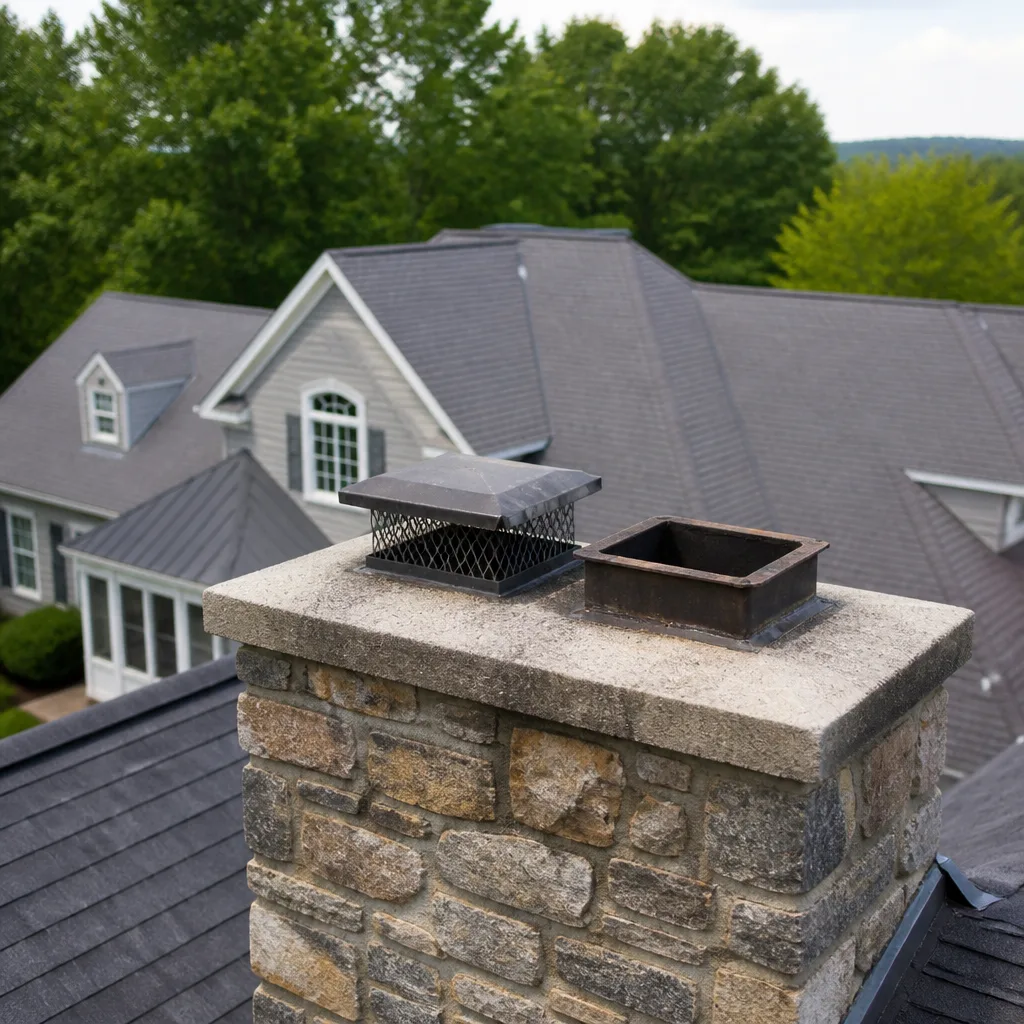
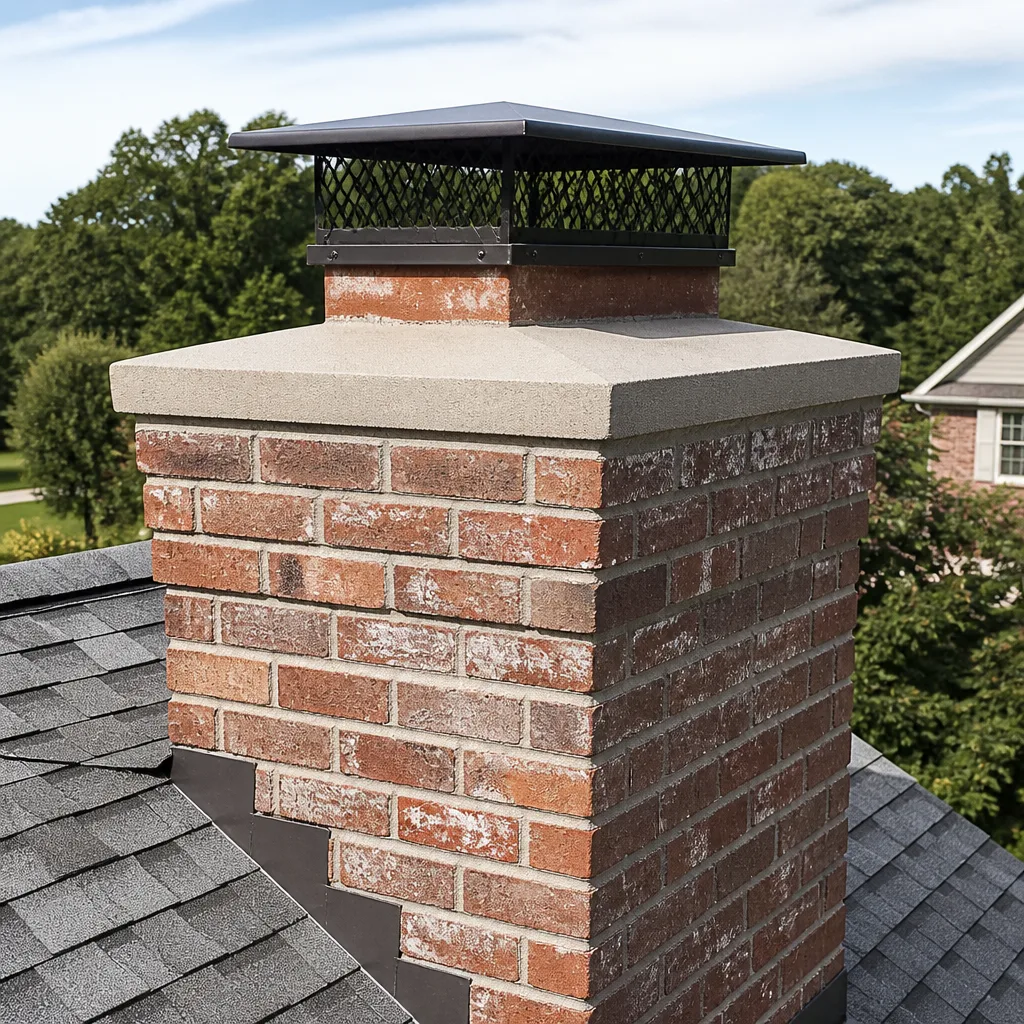
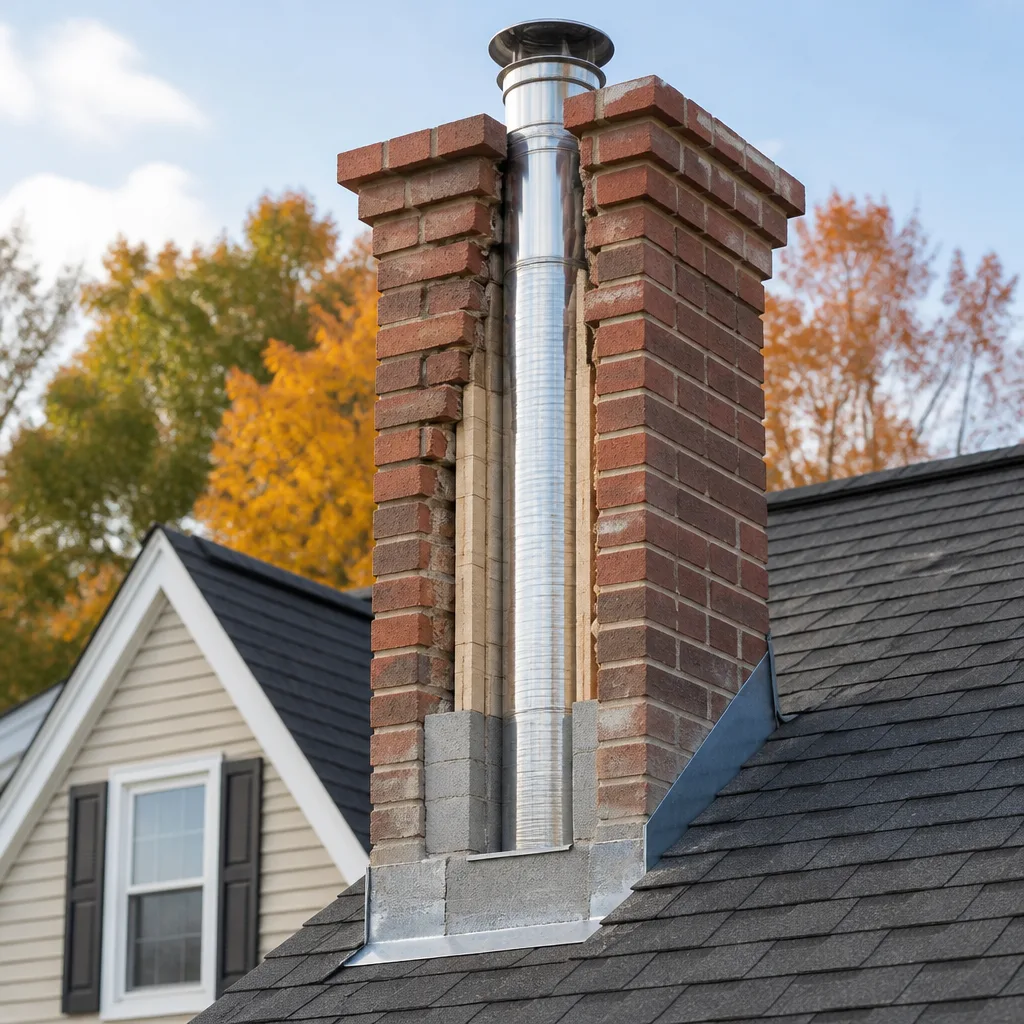
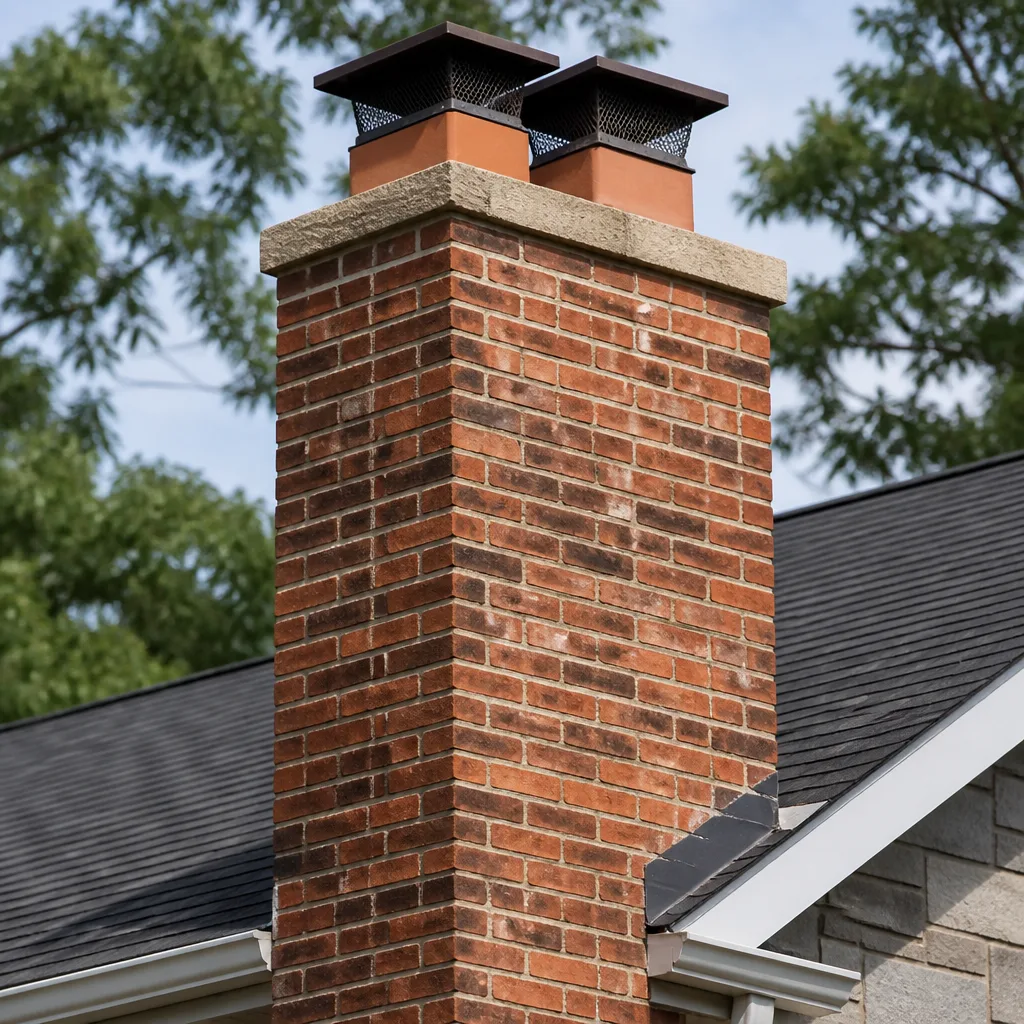
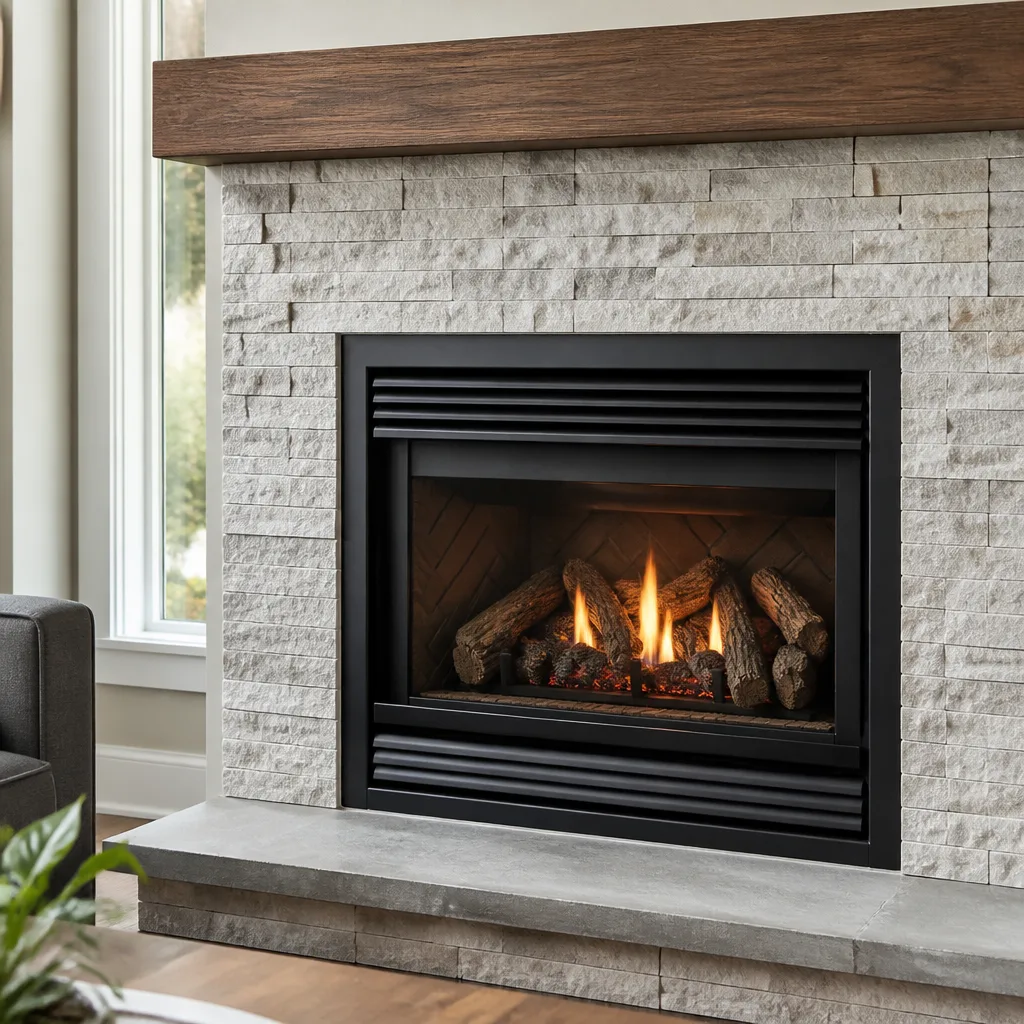
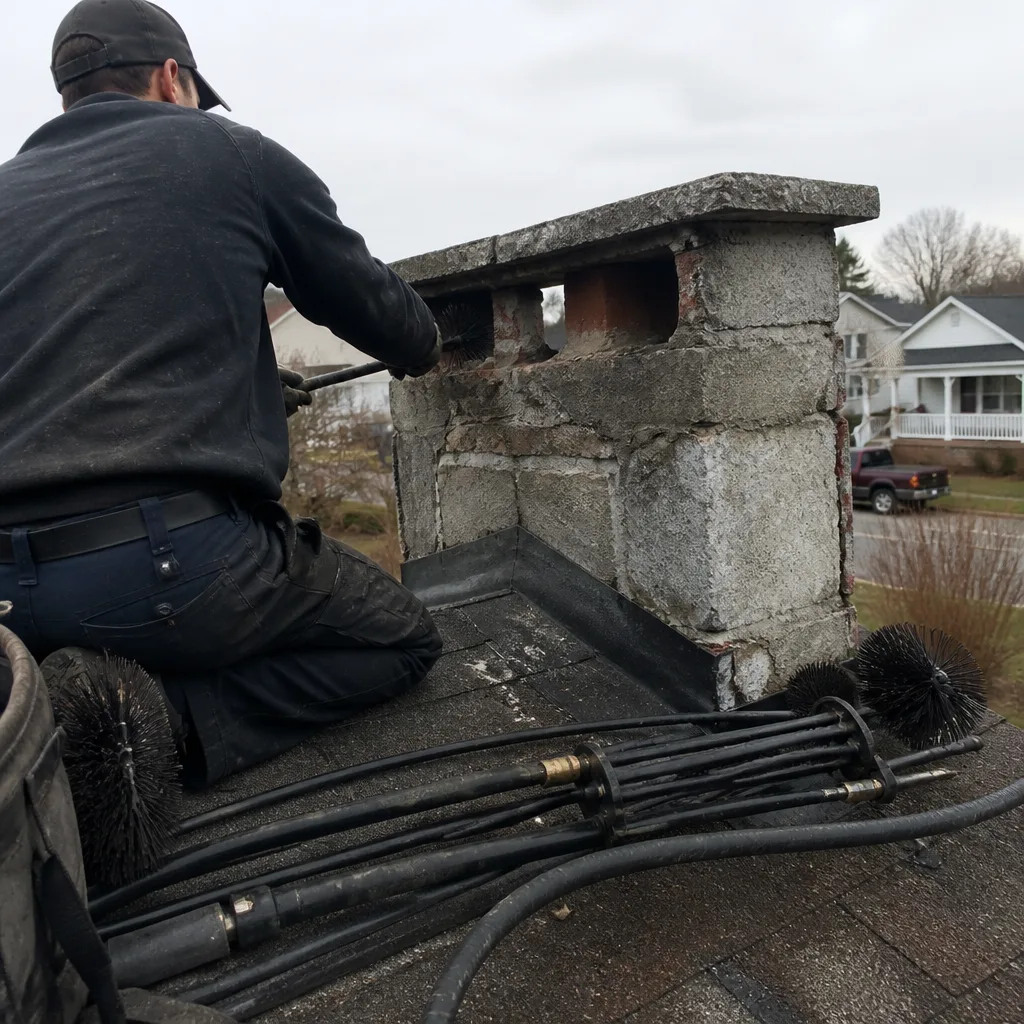 Before
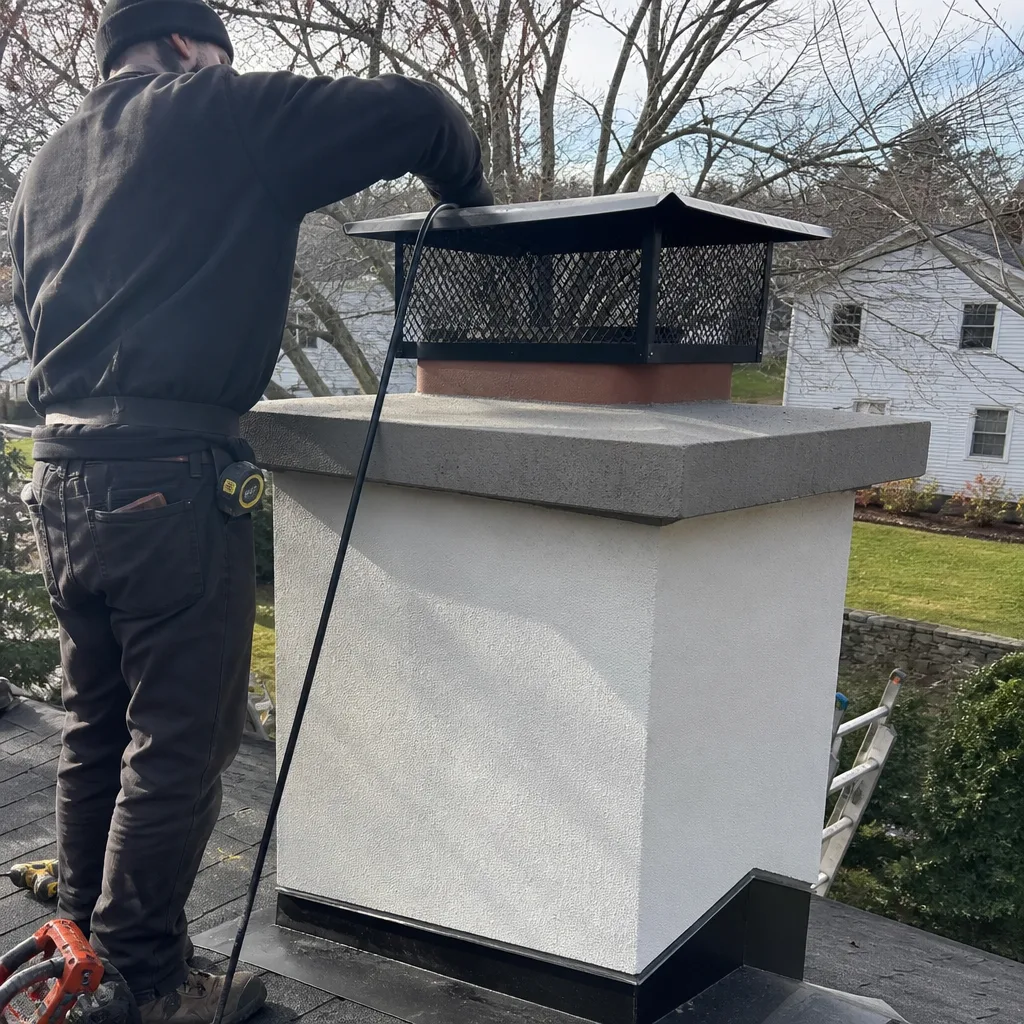 After
After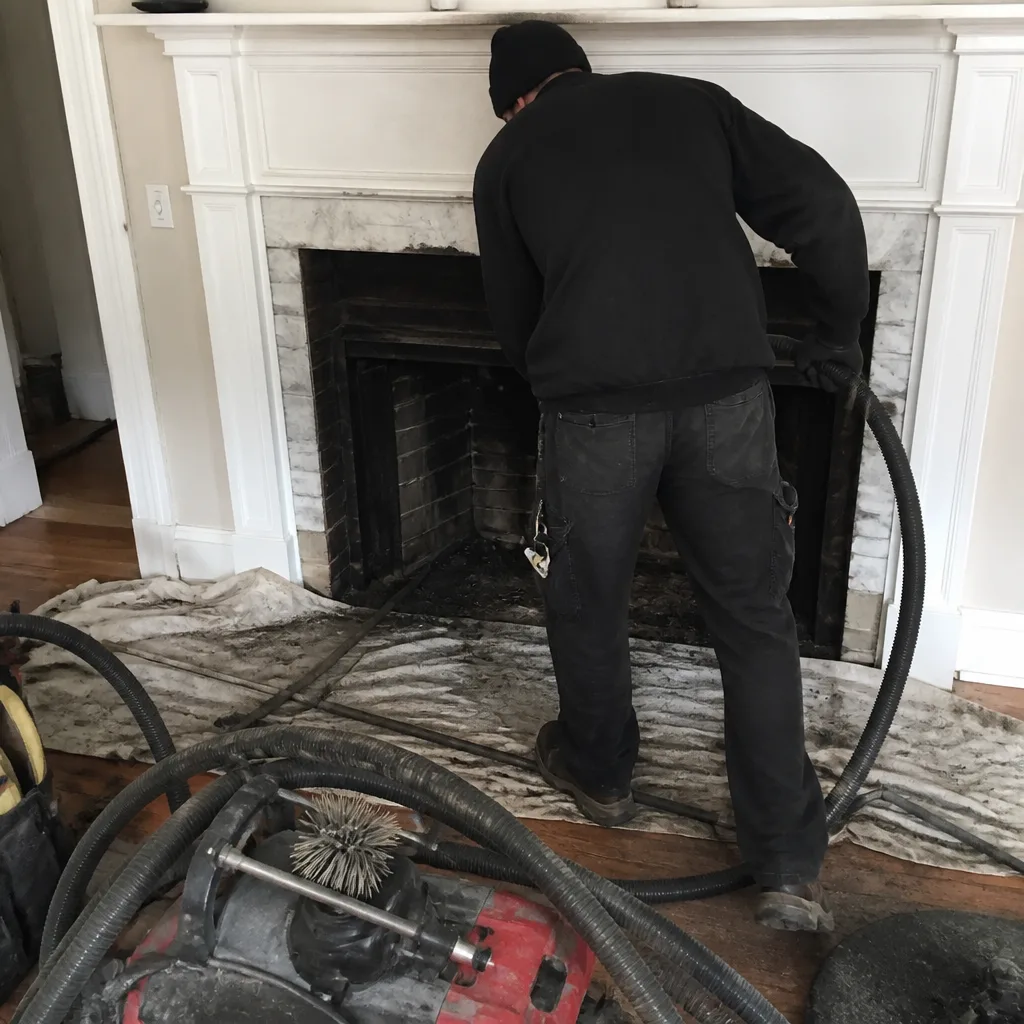 Before
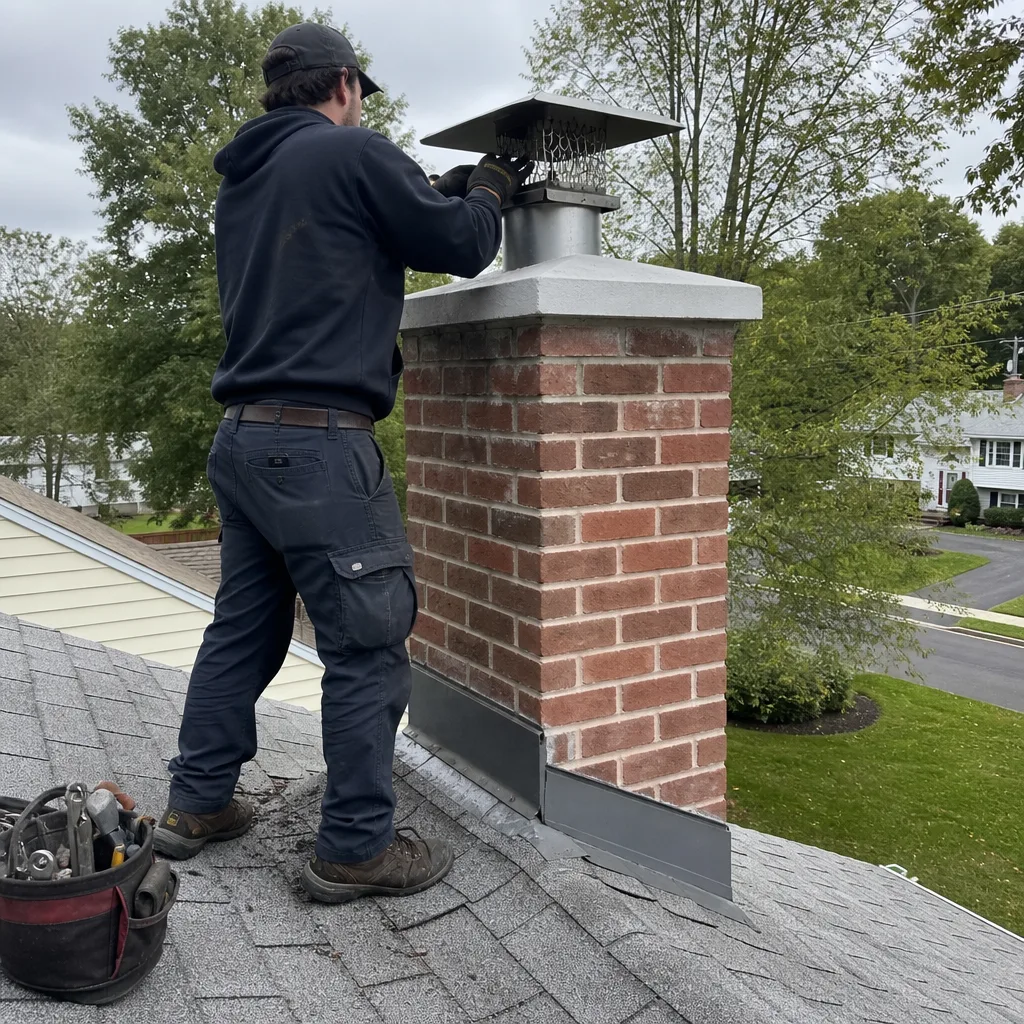 After
After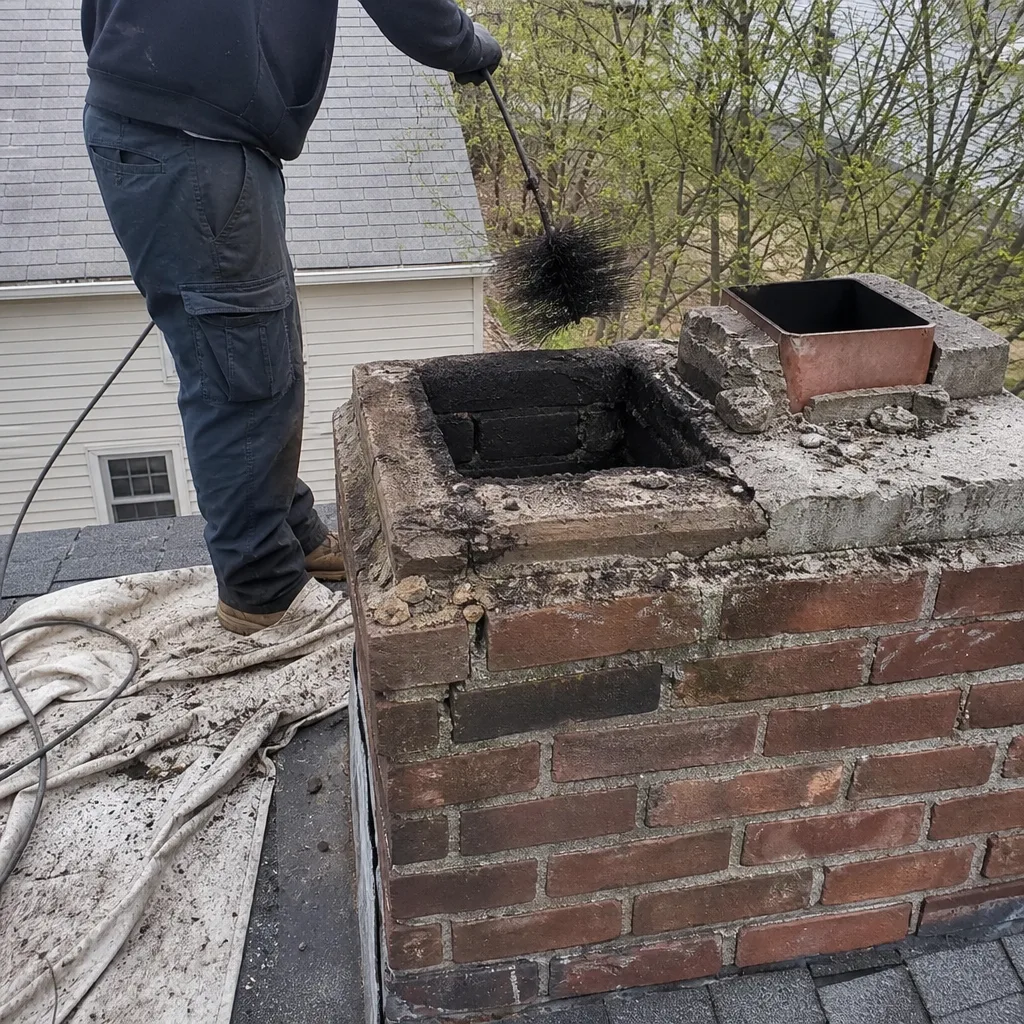 Before
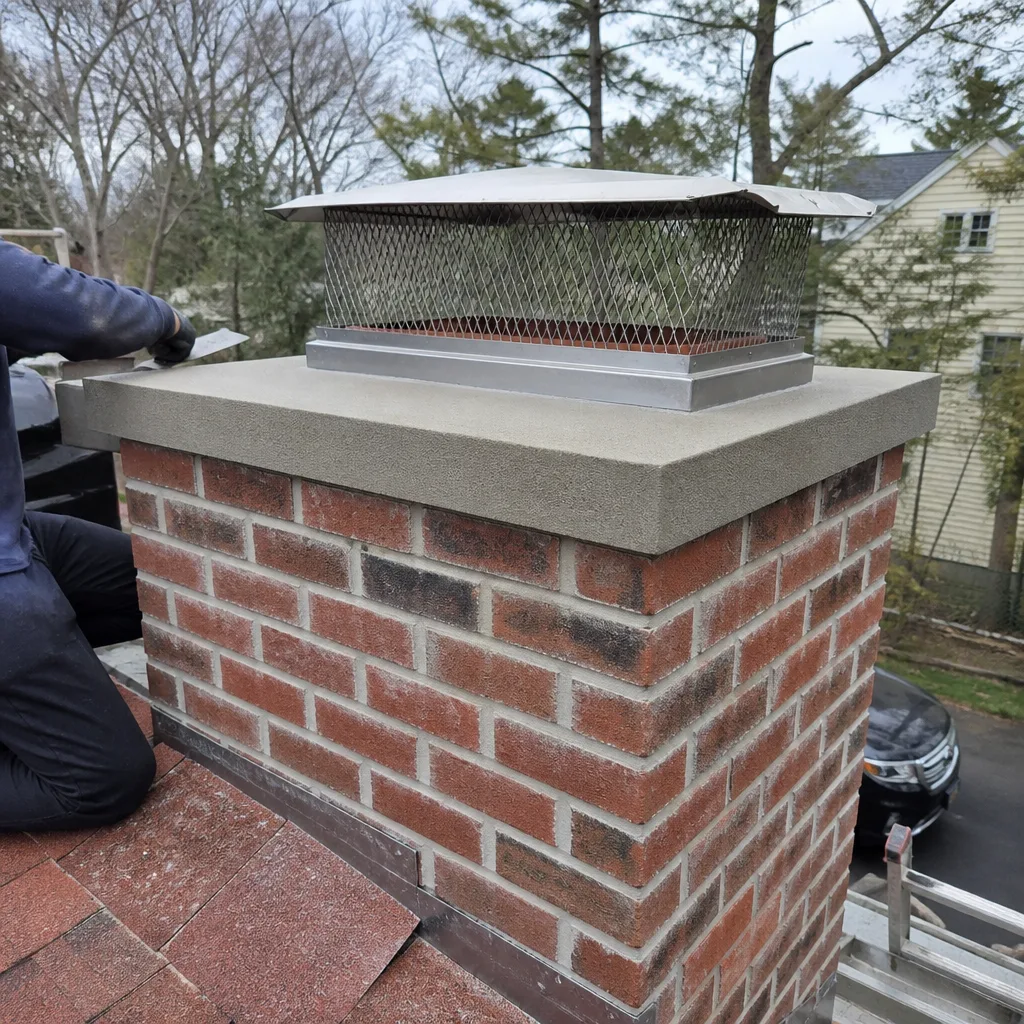 After
AfterSeasonal Chimney Cleaning Care for Norwalk: Year-Round Homeowner’s Guide
The worst time to discover your chimney has a problem is the first cold evening in October when you light your first fire of the year. But that’s exactly when most Norwalk homeowners find out, because summer is when the quiet damage actually happens. This guide walks through what your chimney needs in each of Connecticut’s four distinct seasons, which small checks cost you nothing, and which jobs genuinely need a sweep before you strike a match.
Quick Answer
Chimney care in Norwalk follows a four-season rhythm: spring for post-burn cleaning and moisture sealing, summer for cap and screen checks against nesting and humidity, late August through September for the pre-season sweep that gets you ahead of the fall rush, and winter for monthly monitoring while you burn. Annual sweeping is non-negotiable, but the timing of that sweep and the small seasonal checks around it-like the ones in our Chimney Cleaning & Sweep Maintenance Checklist for Norwalk Homeowners-are what keep repair bills from showing up in October.
Table of Contents
- Why Norwalk’s Climate Demands a Different Maintenance Calendar
- Spring: The Post-Season Cleaning Most People Skip
- Summer: When the Quiet Damage Happens
- Fall: The Pre-Season Window That Saves You Money
- Winter: What to Monitor While You Burn
- How the Coast Shifts Norwalk’s Moisture Cycle
- Understanding Creosote: The Difference Between a Brush Job and a Glaze
- Common Mistakes to Avoid
- When to Call a Professional
- Frequently Asked Questions
- The Bottom Line
Why Norwalk’s Climate Demands a Different Maintenance Calendar
Norwalk sits on Long Island Sound, and that single fact changes everything about how your chimney behaves. The air here carries more salt and more moisture than it does twenty miles inland in Danbury or Bethel. That coastal humidity seeps into brick and mortar in ways it doesn’t in the higher, drier parts of Fairfield County. Add to that a real winter with freeze-thaw cycles, a wet spring, and a humid summer, and you have a chimney that’s under assault all twelve months, not just during burning season.
We’ve swept chimneys in Norwalk since 1999, and the pattern is consistent: homeowners who treat chimney care as an October-only task spend more on repairs over a decade than the ones who give the flue fifteen minutes of attention each season. The good news is that most of what your chimney needs throughout the year is simple observation. You don’t need tools. You need to know what you’re looking at and when to look.
Your flue doesn’t care how the fire looks. It cares how it breathes. And in Norwalk, it breathes salt air, summer humidity, and winter condensation. Here’s the seasonal rhythm that keeps it working.
Spring: The Post-Season Cleaning Most People Skip
Most homeowners think of chimney cleaning as a pre-season chore. That’s half right. Cleaning after the last fire matters just as much as cleaning before the first one, and here’s why: creosote and soot left sitting in your flue all summer do not stay put. They absorb moisture from Norwalk’s humid spring and summer air, and that moisture turns acidic. An acidic creosote layer attacks masonry and mortar from the inside for four or five months before you ever light another fire.
Spring is also when you get an honest look at what the winter did to your chimney. Freeze-thaw cycles in Norwalk routinely crack chimney crowns, and spring rains exploit those cracks immediately. If you wait until September to discover the damage, you’ve given water five months of open access to your brick and your liner.
Here’s the spring checklist we recommend to every homeowner in Norwalk:
- Shine a flashlight up the flue from inside the firebox. You’re looking for flaky, dark buildup on the walls. If it looks like coffee grounds or worse, book a sweep now, not in September.
- Step outside and look at the chimney crown. That’s the concrete cap around the top. Hairline cracks are common after a Norwalk winter. Mark them with a photo on your phone so you can compare next spring.
- Check the damper. Open and close it a few times. If it sticks or doesn’t seal, that’s a whole summer of conditioned air escaping and humid air coming in.
- Note any musty smell in the firebox. That’s moisture trapped in creosote. A post-season sweep resolves it quickly.
One phone call in April beats an emergency in October. We offer chimney cleaning and sweeping in Norwalk year-round, and spring appointments are the easiest to get.
Summer: When the Quiet Damage Happens
In Norwalk, summer is when your chimney is most vulnerable, because nobody’s paying attention to it. The firebox is cold, the damper is closed, and the whole system sits quiet while three things work against it: humidity, nesting season, and time.
Norwalk summers run humid, often above 70% relative humidity for weeks at a stretch. That moisture works its way into any creosote left from last winter and into the mortar joints of the chimney itself. Bricks are porous. Mortar is more porous. When humid air condenses inside a cool chimney, the moisture carries small amounts of salt from the coastal air right into the masonry, which accelerates spalling: the flaking and crumbling you see on older chimneys all over South Norwalk and East Norwalk.
Nesting season is the second threat. Chimney swifts, starlings, and squirrels find an uncapped or damaged chimney irresistible in late spring and early summer. A single bird’s nest stuffed into a flue can reduce draft by half and introduce dry, flammable material directly into the exhaust path of your next fire. The fix is simple: a properly fitted chimney cap with intact screening. If your cap is missing, rusted through, or the screen has holes, you’ve sent an open invitation.
The one check that prevents most of this is visual. Stand in your yard, look at the top of your chimney, and ask two questions. Is the cap still there and intact? Is the crown still solid or does it show cracks from last winter? If you can’t see well from the ground, get a pair of binoculars. Five minutes in June can save you a $600 liner repair in October, because water and animals both enter through the top.
Summer is also the smartest time to book any repair work. Masonry cures better in warm weather. Liners install easier. And chimney repair in Norwalk doesn’t get scheduled against a hundred other homeowners all calling the same week in September.
Fall: The Pre-Season Window That Saves You Money
In Norwalk, the pre-season window runs from late August through September. Once October hits, every chimney company in Fairfield County is booked solid, and homeowners who didn’t plan ahead end up either waiting weeks for an appointment or paying premium rates for a rushed job. For a full picture of what to budget, see our Chimney Cleaning Cost Breakdown: The Norwalk Homeowner’s Reference for 2026. Neither is necessary.
The smart move is to book your annual sweep by mid-August at the latest. That puts you ahead of the rush, and it gives you a cushion if the sweep turns up something that needs repair before burning season starts. A liner crack discovered on September 5th can be fixed in warm, dry weather. A liner crack discovered on October 25th means you’re choosing between burning without it and going without fires for the first cold stretch of the year.
Here’s what a proper pre-season sweep in Norwalk should include:
- Full flue cleaning from the firebox to the crown, using brushes sized to your actual flue dimensions, whether it’s a rectangular masonry flue or a round stainless liner.
- Camera inspection of the flue interior. This is non-negotiable. If a sweep doesn’t put a camera up your flue, you’re paying for a brushing, not an inspection, and you won’t know about hidden cracks, gaps, or glaze creosote until they cause a problem.
- Damper check and adjustment. A damper that doesn’t seat properly wastes heat all winter and lets cold air pour down your chimney every night.
- Cap and crown review. The sweep should inspect both from the roof and tell you plainly whether they’ll make it through another winter.
- Smoke test once the fire is going, to confirm the draft pulls correctly before you commit to a season of burning.
Wendell and his crew have been doing pre-season sweeps in Norwalk since 1999, and the camera footage and a plain-English verdict come with every single job, no exceptions. If the flue is clean and sound, you’ll hear that. If it’s not, you’ll see exactly what’s wrong before you spend a dollar on repairs.
Winter: What to Monitor While You Burn
Winter is the active season, and your job during it is monitoring, not maintenance. A properly swept and inspected chimney should run all winter in Norwalk without intervention. But you should know what a healthy burn looks like so you catch the first sign of trouble early.
Here’s what to watch for each time you light a fire:
- Smoke entering the room instead of rising up the flue. That’s a draft problem, and it means something is blocking or pressurizing your chimney. Stop burning and get it checked.
- A fire that’s hard to start and harder to keep going. Cold chimneys draft poorly, especially older masonry chimneys on the outside wall of a house. A few minutes of pre-warming with a lit piece of newspaper held near the open damper often helps, but if the problem persists, it’s an airflow issue, not a technique issue.
- Unusual smells when the fire is out. A campfire smell in the room on damp winter days usually means creosote is present and absorbing moisture, or the damper isn’t sealing. Both are fixable.
- Visible soot or dark streaks on the chimney exterior near the top. This can indicate a cracked flue liner letting combustion gases escape into the masonry. Call a professional that week, not next spring.
- Rain or snow coming down the chimney during storms. Unmistakable sign the cap or crown has failed. Water and fire don’t mix, and a wet flue means a damaged liner over time.
Burning habits also matter in winter. Burn seasoned hardwood, not green wood or construction scrap. Green wood produces more creosote per fire than any other single factor. Pine and other soft woods burn hot and fast but leave more soot. In Norwalk, where many homes have older masonry chimneys, one winter of green wood can lay down as much creosote as three winters of properly seasoned oak or maple.
Once a year, burn or no burn. Chimneys break in the off-season too. Winter monitoring is about catching the active problems early, but the annual sweep is what prevents them from becoming emergencies.
How the Coast Shifts Norwalk’s Moisture Cycle
Norwalk is a coastal city, and that proximity to Long Island Sound changes the moisture math in two specific ways that inland Connecticut towns don’t face. First, spring arrives with more dampness. The Sound keeps air temperatures moderate but humid, so March and April in Norwalk mean weeks of 50-degree air carrying heavy moisture against a chimney that’s still cold from winter. Condensation forms inside the flue constantly during those weeks.
Second, fall stays humid longer. Inland towns get crisp, dry autumn air by mid-September. Norwalk often stays damp into October. That shifts the ideal pre-season sweep window slightly later than inland, but not by much, and the practical guidance stays the same: book by late August, get the sweep done in September, and you’re covered regardless of when the weather turns. Just make sure your sweep follows Chimney Cleaning Permits, Codes & Inspections in CT: What You Need to Know.
The moisture pattern also means Norwalk chimneys benefit more from certain materials than others. A stainless liner like a DuraFlex system shrugs off the condensation that eats at clay tile liners over time. A properly sealed crown keeps coastal rain out of the brick. And a chimney cap with intact screening does double duty in Norwalk, keeping out both water and the nesting birds that thrive in the warmer coastal climate.
If you live in a Norwalk neighborhood like Rowayton, Shorehaven, or Wilson Point, you’re getting more salt exposure than homeowners up toward Silvermine or Cranbury. Salt doesn’t damage chimneys overnight, but over twenty or thirty years, it accelerates mortar erosion at the top of the chimney, where the wind off the Sound hits hardest. A spring visual check from the ground costs nothing and catches the erosion while it’s still a repointing job, not a rebuild.
Understanding Creosote: The Difference Between a Brush Job and a Glaze
Creosote is what makes chimney fires possible, and it comes in three stages. Each stage needs a different response, and knowing the difference helps you understand exactly what a sweep is telling you.
First-degree creosote is the light, flaky soot that brushes off easily. It forms during hot, efficient burns. A standard annual sweep handles it. First-degree creosote is a brush job, full stop.
Second-degree creosote is the crunchy, granular buildup that looks like burnt popcorn stuck to the flue walls. It forms during medium-temperature burns and is harder to remove. Brushes alone often don’t get it all, and a sweep may need to use rotary cleaning tools with plastic or metal heads to strip it down.
Third-degree creosote is the dangerous one. It’s a hard, shiny glaze, like black glass, fused to the flue walls. It forms when combustion gases condense rapidly, usually in a cold flue or from burning green wood or unseasoned fuel. Glaze creosote is highly flammable, extremely difficult to remove with brushes, and often requires chemical treatment or replacement of the liner if it’s thick enough. Third-degree is a glaze. Catch it early, because by the time it’s thick, you’re not cleaning it off, you’re replacing what it’s stuck to.
In Norwalk, the coastal dampness makes second and third-degree creosote more common than homeowners expect. Cold, damp chimneys condense creosote faster than warm, dry ones. If you burn wood regularly and your chimney is on an exterior wall, don’t be surprised if your annual inspection finds more than first-degree buildup. It’s not a sign you did something wrong. It’s a sign your climate is working against you.
Common Mistakes to Avoid
- Skipping the post-season sweep because “we’ll do it in the fall.” Creosote sitting in a Norwalk chimney all summer absorbs coastal humidity and turns acidic, quietly damaging masonry for months. Clean it in spring and the fall sweep is lighter work.
- Assuming a cap is optional. Around Norwalk’s nesting birds and seasonal storms, an uncapped chimney is an open flue for animals and water. A $200 cap prevents a $1,500 repair.
- Burning green or wet wood all winter. It feels thrifty, but it produces dramatically more creosote, and you’ll pay for it in heavier cleanings and a shorter liner life. Seasoned hardwood is cheaper in the long run.
- Waiting until October to book a sweep. Every chimney company in Fairfield County is overwhelmed by mid-October. Book in August and you get your choice of appointment times, and if the inspection turns up repair work, there’s still time to fix it before the first fire.
- Hiring a sweep who doesn’t use a camera. A brush on the end of a pole doesn’t inspect your flue. It cleans it. Without a camera, cracks, gaps, and glaze go undetected until they cause real damage.
- Ignoring a musty smell from the firebox in summer. That smell is moisture trapped in creosote. It means the flue needs a cleaning and possibly a drying out. The longer you ignore it, the worse it gets.
- Assuming the chimney is fine because you never use it. Unused chimneys deteriorate from the top down, through rain, humidity, and nesting, not from fire. A chimney that hasn’t been burned in five years often needs more work than one that gets weekly winter use.
When to Call a Professional
Call a sweep if you see smoke entering the room during a fire, if you notice a strong campfire smell when the fireplace is cold, if water is coming down the chimney during rain, or if it’s simply been more than a year since the last inspection. Also call if you’re buying a home in Norwalk with a fireplace and no recent inspection on record. A pre-purchase chimney inspection costs a fraction of a surprise liner replacement. Top Hat Chimney offers free estimates in Norwalk, call (475) 375-2748. Wendell has been sweeping and repairing chimneys in Norwalk since 1999, and he’ll tell you plainly if the work can wait.
Frequently Asked Questions
Once a year, burn or no burn. The National Fire Protection Association recommends annual inspection and cleaning as needed, and in Norwalk’s coastal climate, the “as needed” almost always means a sweep. Homes that burn wood heavily through winter may need a second cleaning mid-season. Homes that never burn still need the annual inspection, because water and nesting do their work regardless of fire.
Late August through September is the practical sweet spot. You beat the October rush, you get the chimney clean and inspected before the first fire of the year, and if the inspection turns up repair work, there’s still time to schedule it before cold weather. Spring sweeping is also smart for post-season cleaning, and it’s the easiest appointment to get. Call (475) 375-2748 to check availability for either window.
A standard chimney sweep and inspection in Norwalk typically runs $200 to $350, depending on flue height, accessibility, and the amount of buildup present. If you have a wood stove with a long pipe run or a two-story chimney with difficult roof access, expect the higher end. Add-on services like a full camera inspection, dryer vent cleaning, or cap replacement are priced separately and quoted upfront before any work begins. Top Hat Chimney’s pricing is the number you hear on the phone is the number on the invoice, no surprises at the door.
Only if the camera shows you a cracked, separated, or perforated liner that can no longer contain combustion gases. A liner is a safety component. If it’s compromised, you should not burn until it’s replaced, because gaps let heat and gases reach combustible framing. But any honest sweep will show you the footage and explain exactly what’s wrong before recommending replacement. No camera evidence, no liner recommendation. If you want a second opinion on a liner quote you already received, we’ll give one free.
Creosote accumulates, moisture absorbs into it, and masonry damage accelerates. After two or three years of regular burning without cleaning, you’re likely looking at second-degree creosote at minimum, and possibly glaze that requires chemical treatment or liner replacement. The longer the buildup sits, the more expensive the fix. A $250 sweep every year beats a $2,500 liner job every decade.
Yes. Unused chimneys still take on rain, humidity, and nesting animals. In Norwalk, a chimney that hasn’t been burned in years often needs a cap, crown work, or repointing before its first fire. The flue may not need creosote removal, but it absolutely needs an inspection. Call (475) 375-2748 and we’ll take a look.
The Bottom Line
Chimney care in Norwalk is a year-round rhythm, not an October checkbox. Spring is for post-season cleaning and moisture protection. Summer is for cap and crown checks while nesting season and coastal humidity do their quiet work. Late summer and early fall are for the pre-season sweep that puts you ahead of the rush. And winter is for attentive burning, seasoned wood, and catching the first sign of trouble before it becomes a repair. A chimney that gets fifteen minutes of attention each season costs far less to own than one that gets ignored for eleven months and panicked over in the twelfth. For more guides & resources on keeping your chimney safe year-round, explore our blog.
Written by Wendell Pike, Owner at Top Hat Chimney, serving Norwalk since 1999.