
Last updated September 10, 2026
Level 1 sweep and inspection to the NFPA 211 annual standard - flue, crown, cap, and flashing checked and photographed
Chimney sweep logs do not sweep chimneys. They loosen some creosote - which then falls where a brush and vacuum still have to collect it.
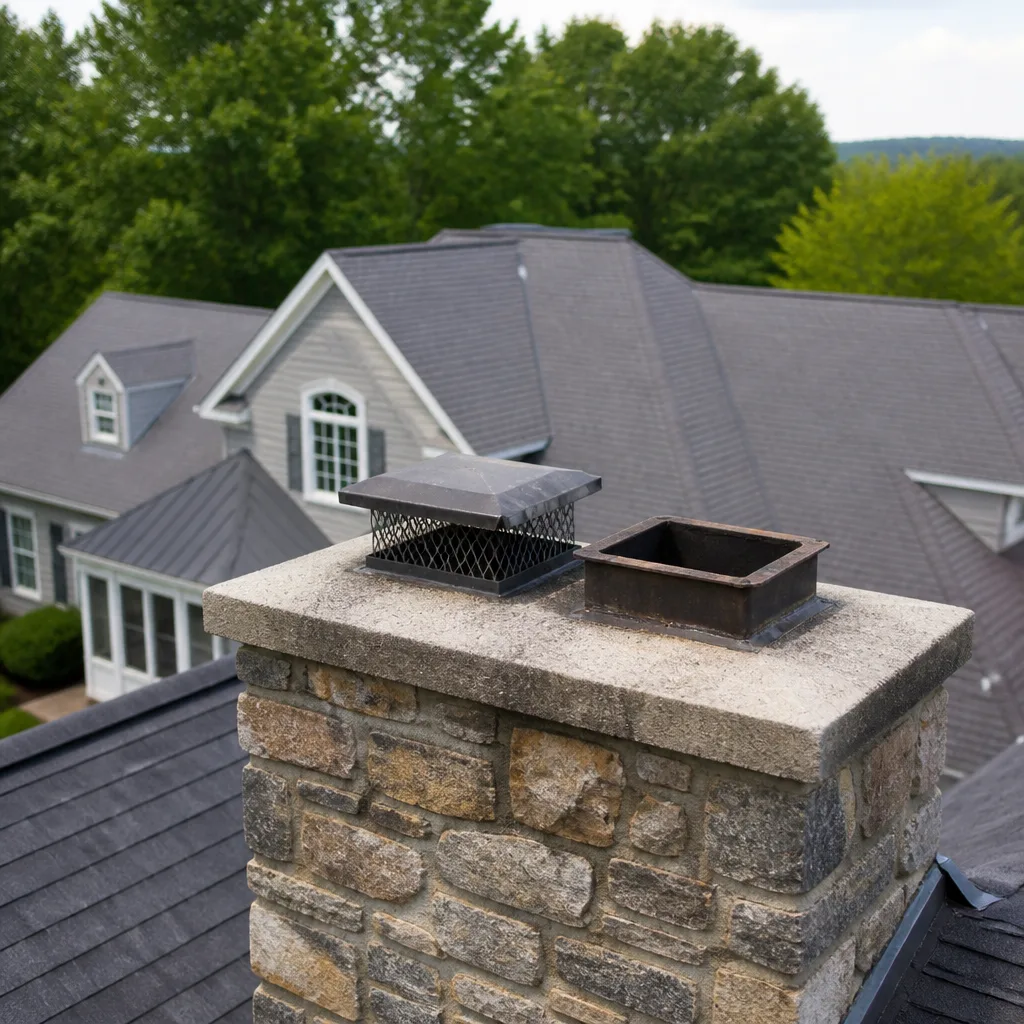
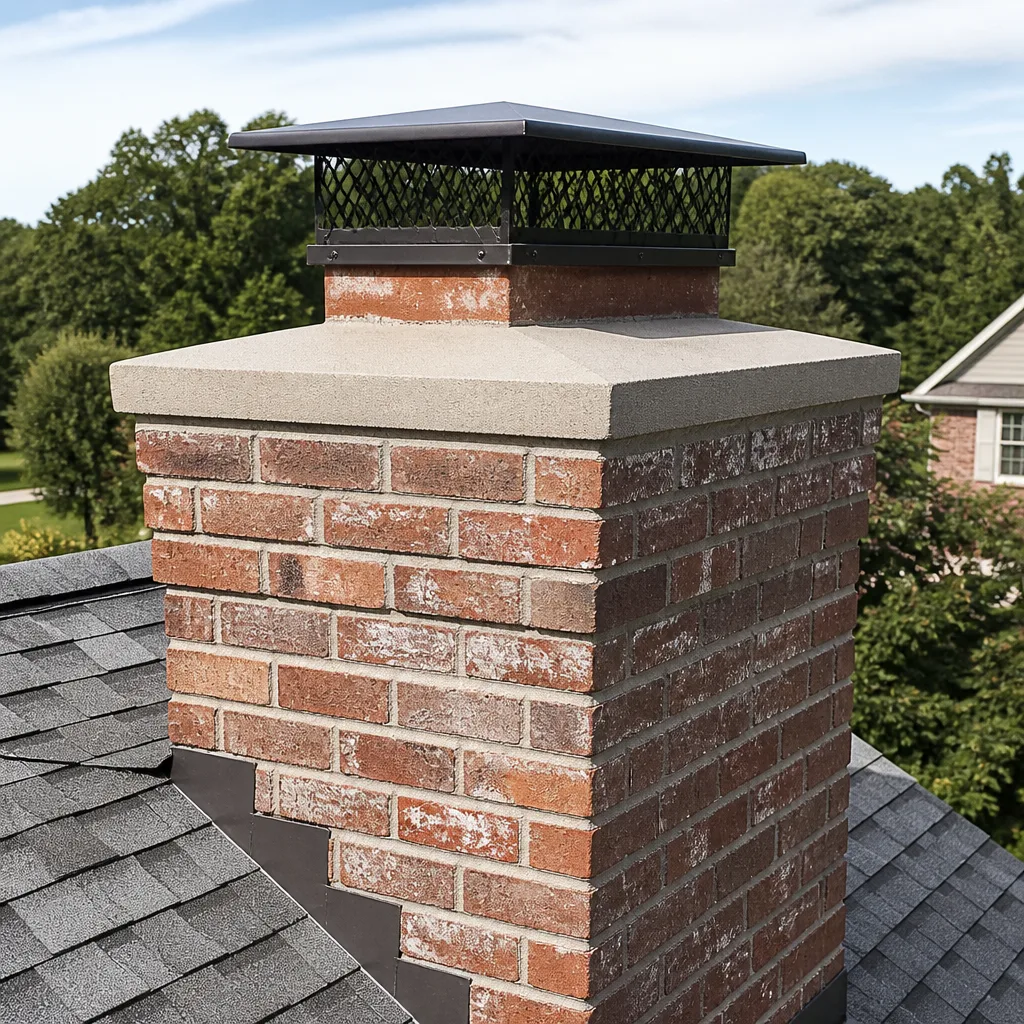
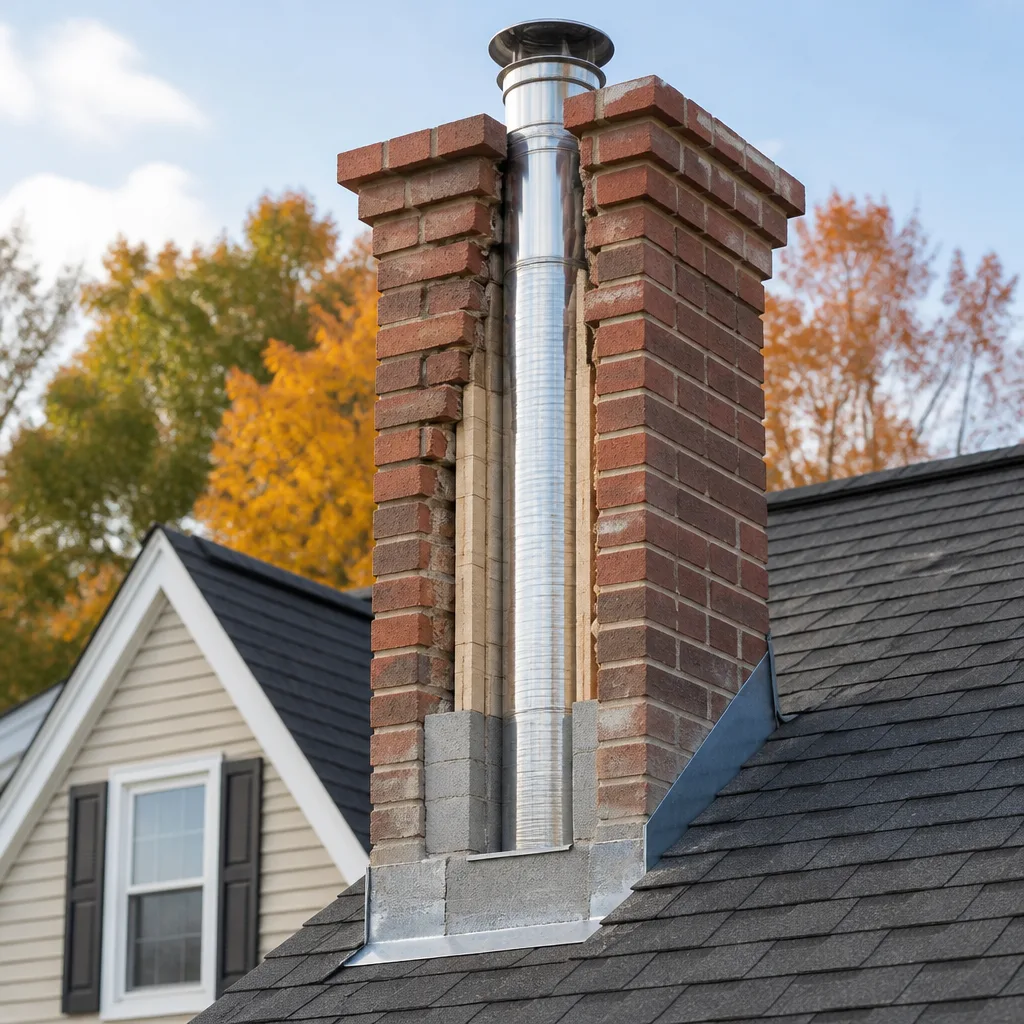
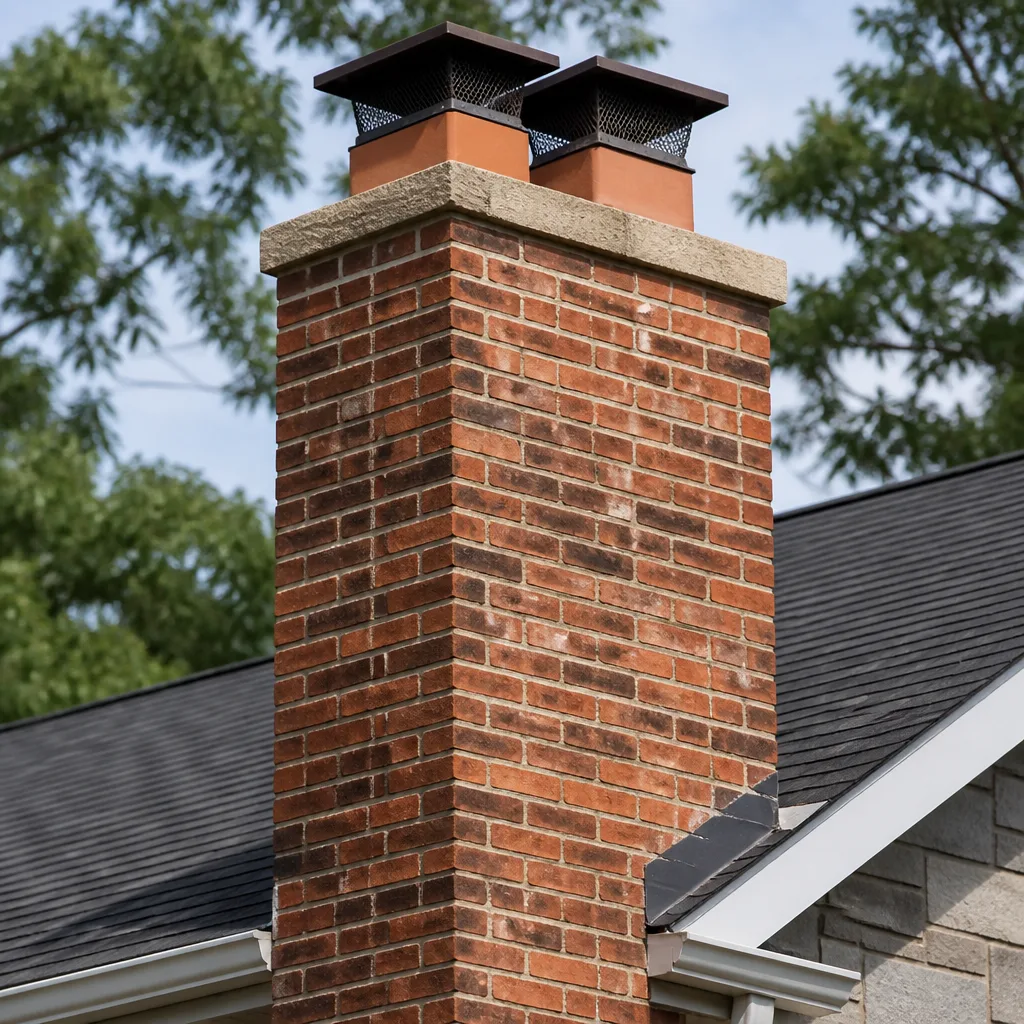
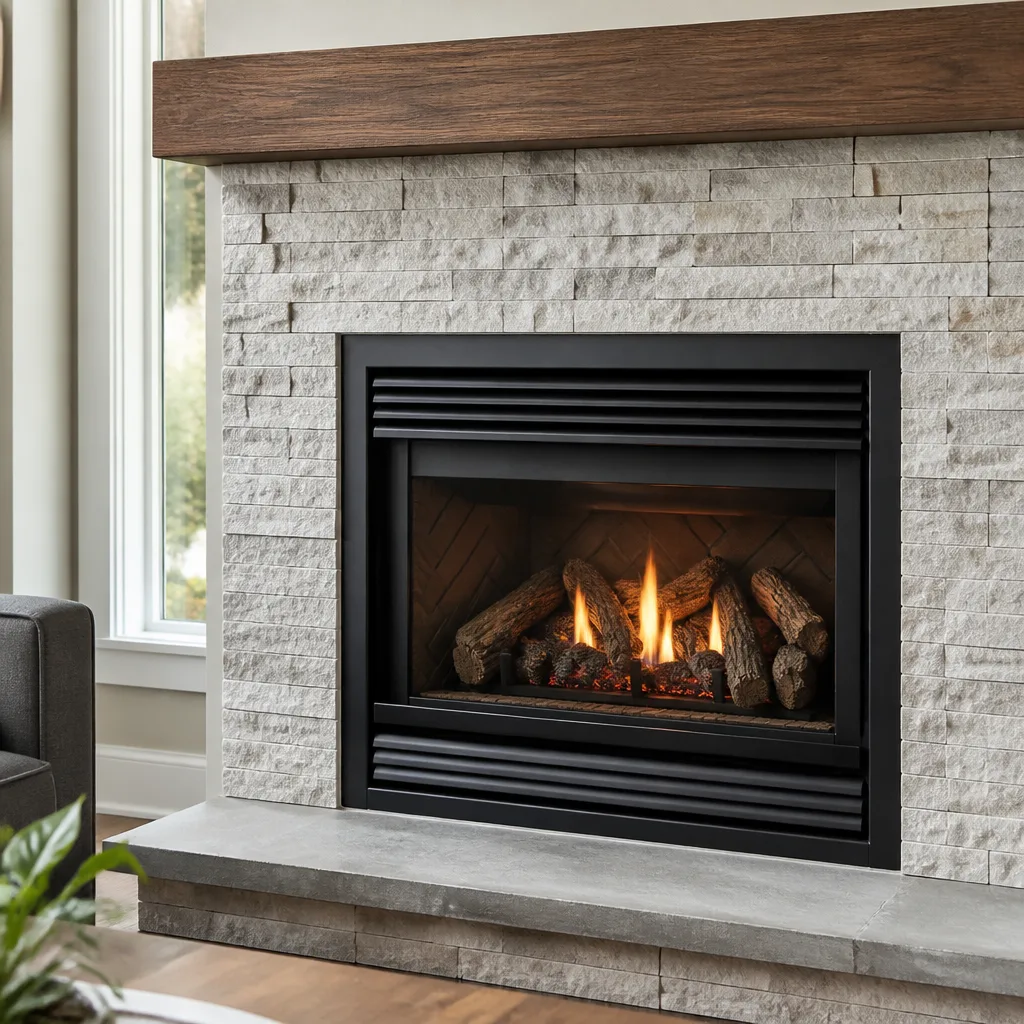
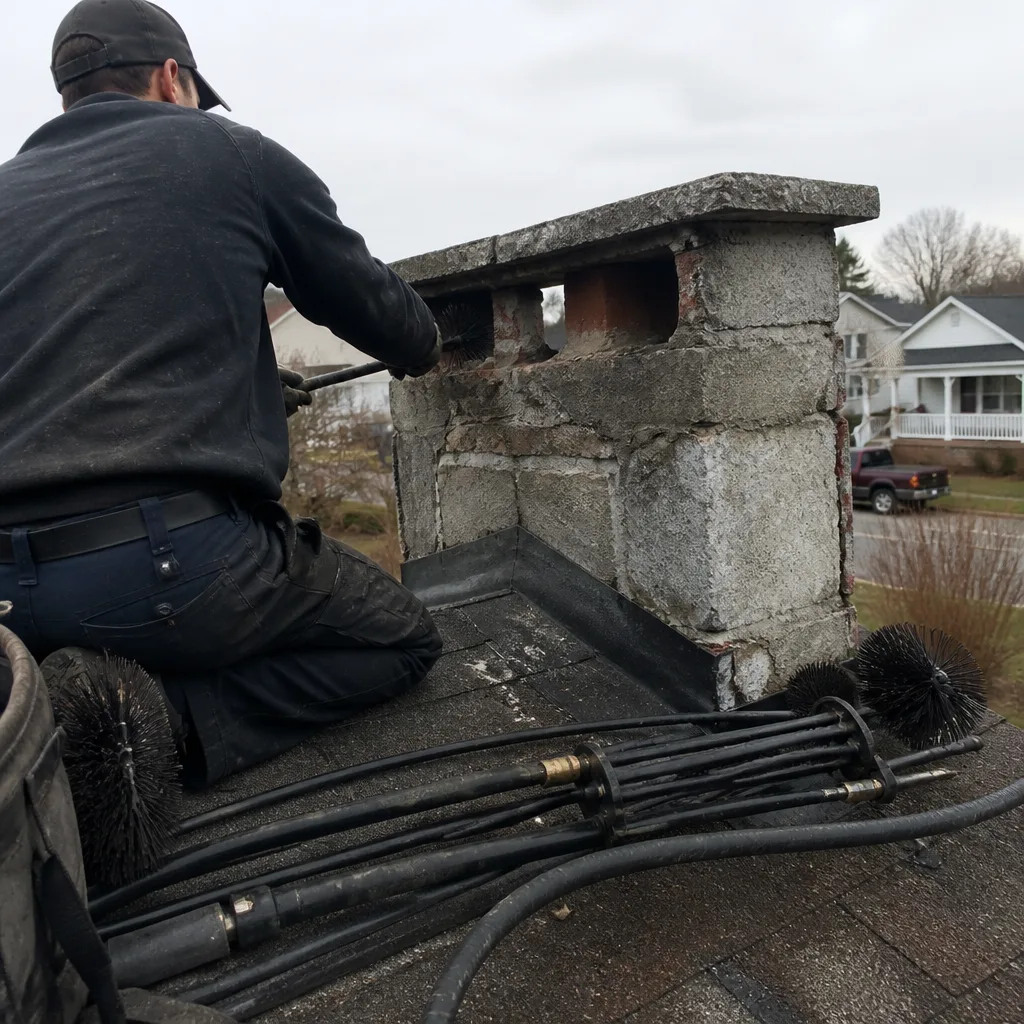 Before
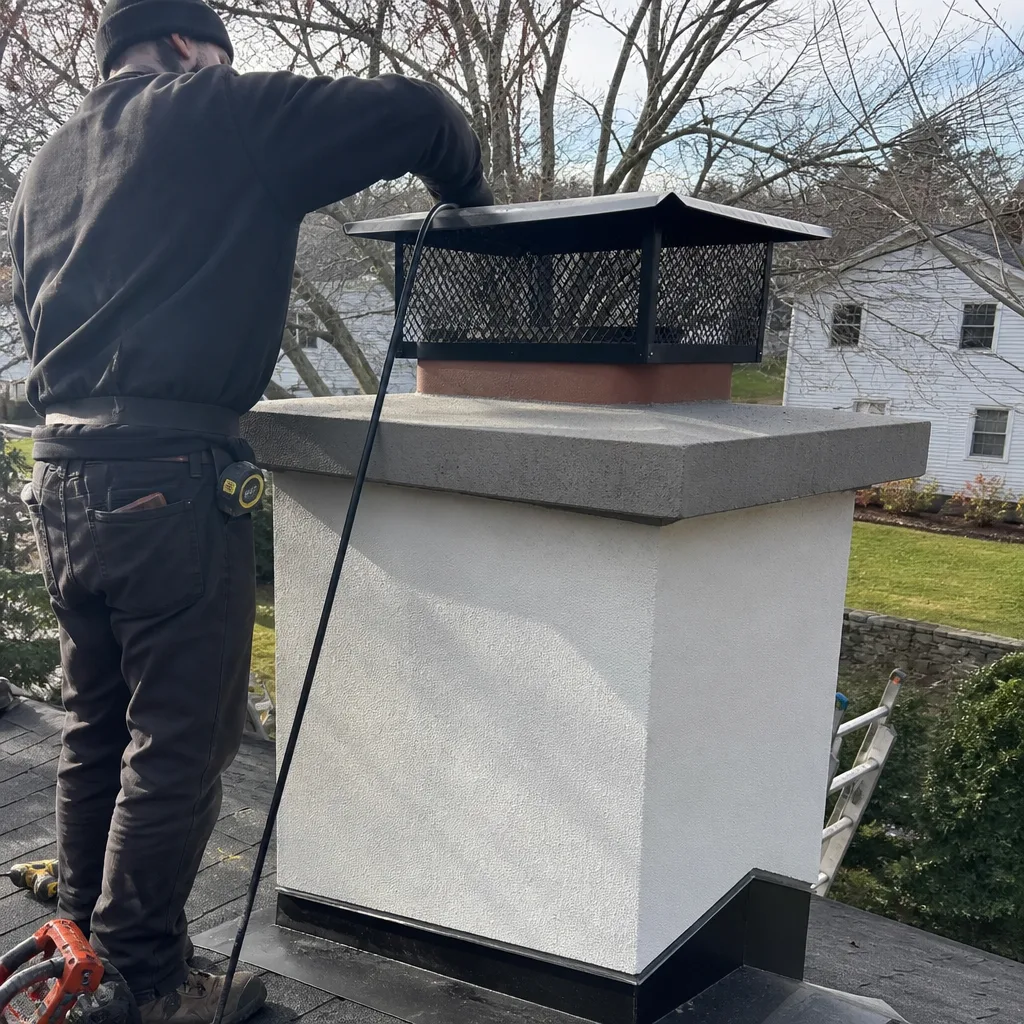 After
After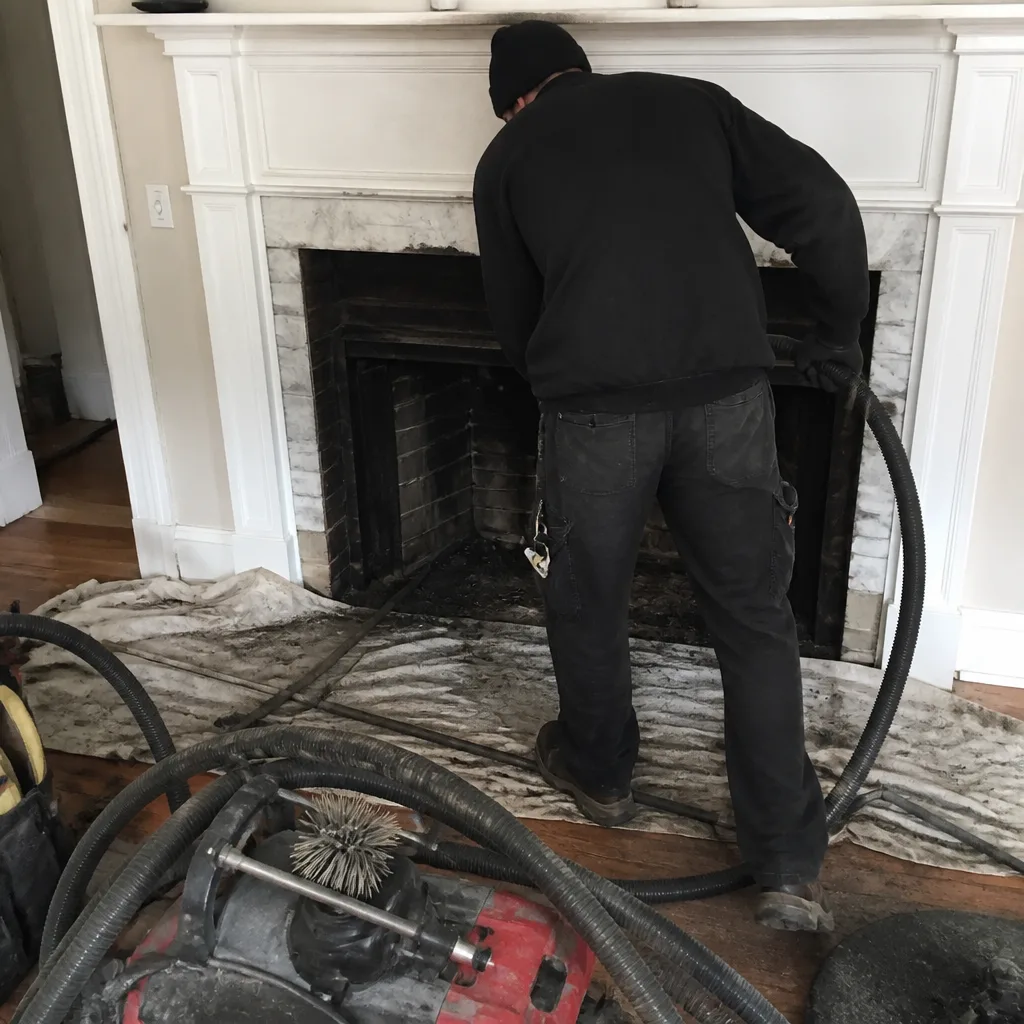 Before
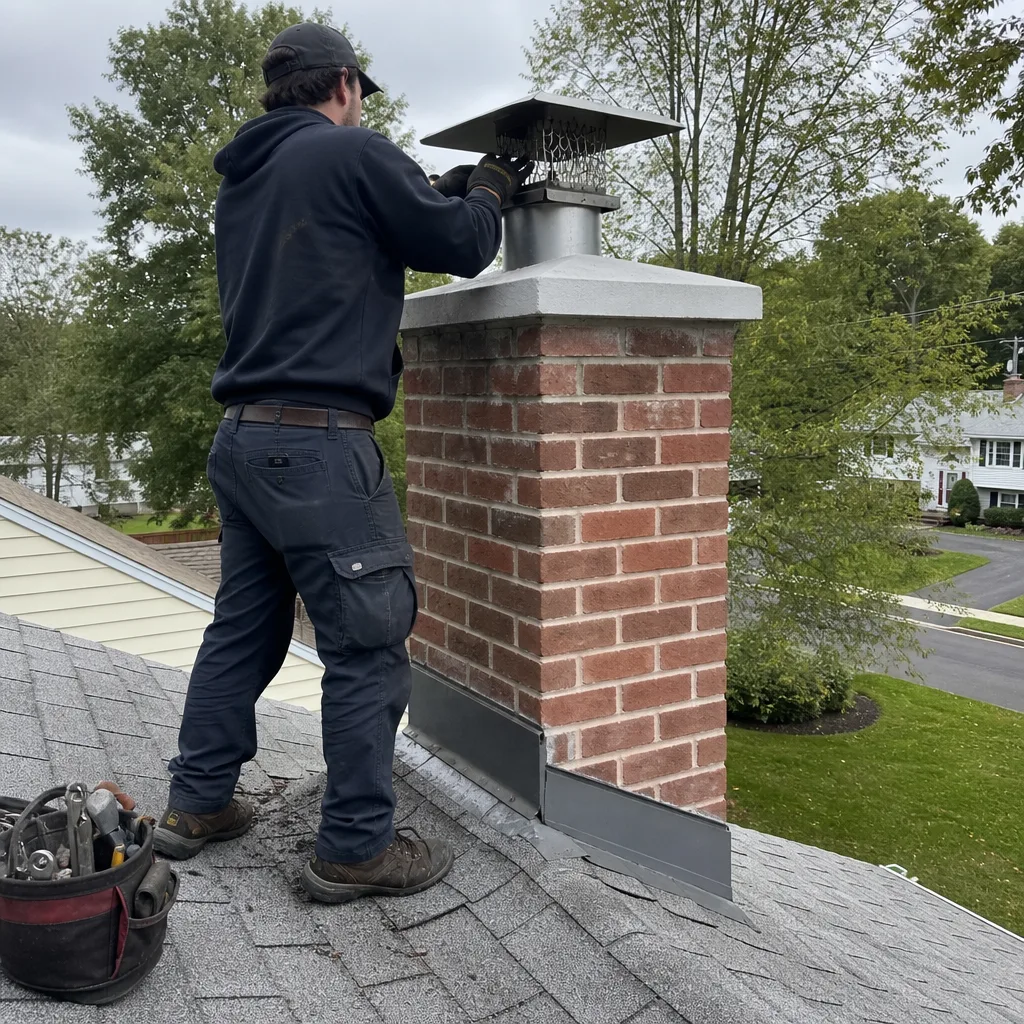 After
After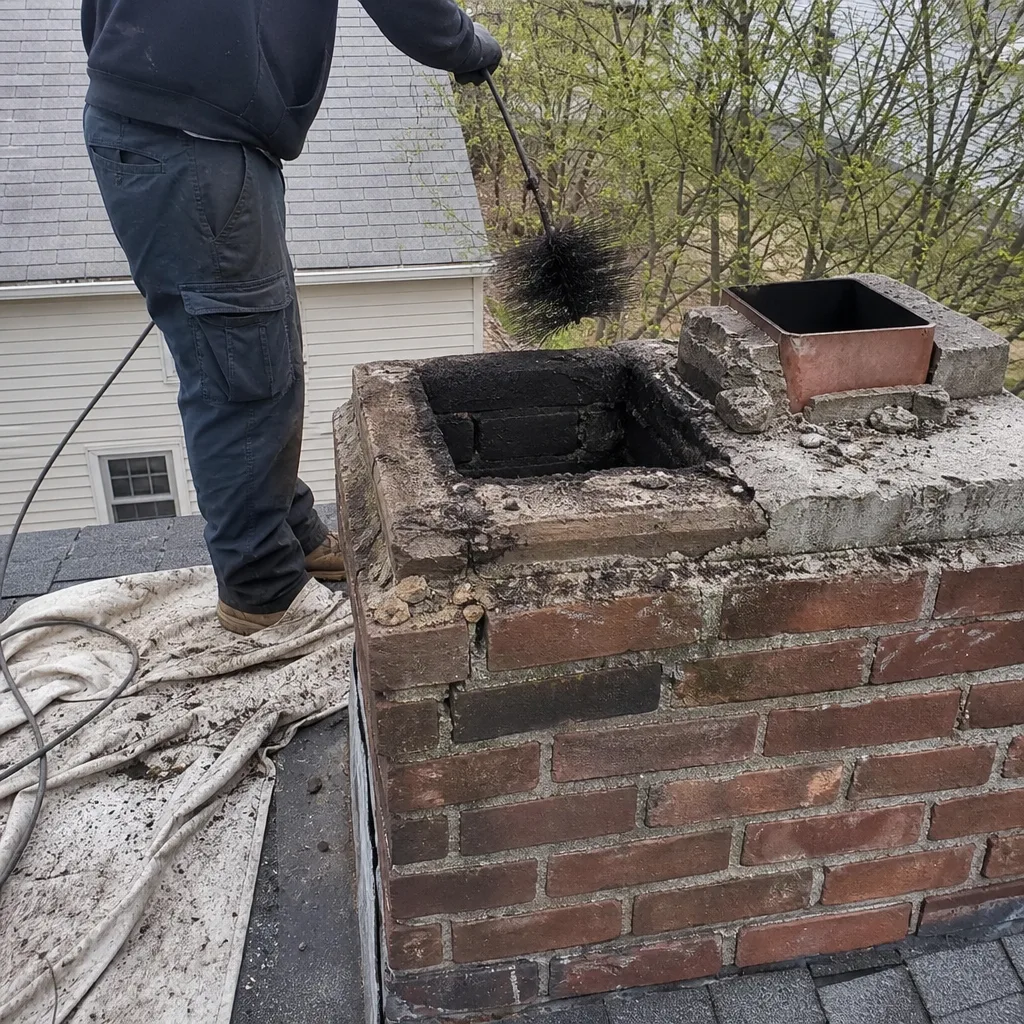 Before
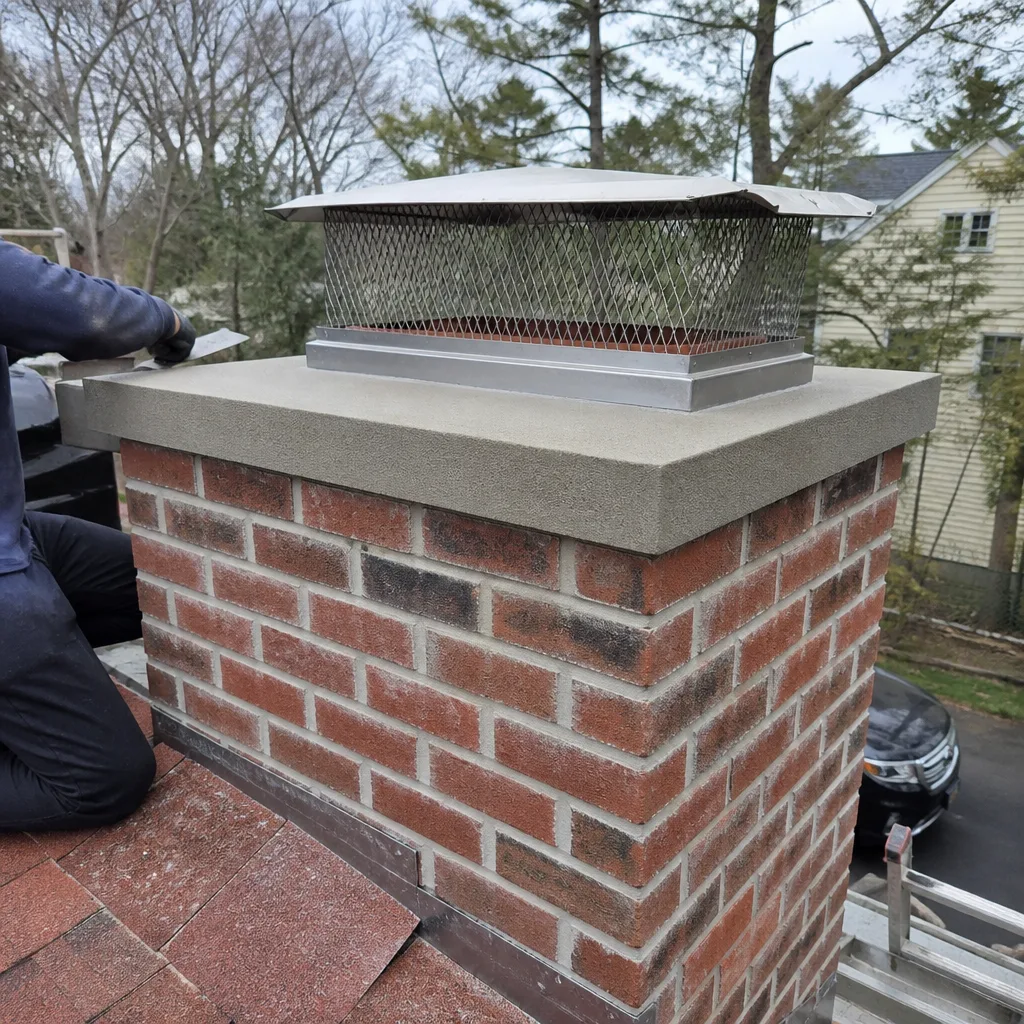 After
AfterChimney Cleaning Permits, Codes & Inspections in CT: What You Need to Know
If you sell your Norwalk home and a buyer’s inspector finds that a liner repair was done without a required CT permit, the deal can unravel at closing. Yet most homeowners never knew the permit was required in the first place because their contractor didn’t pull one. This guide walks through exactly which chimney jobs in Connecticut trigger permits, which are maintenance-only, what NFPA 211 and Norwalk’s local amendments actually require, how a Level 2 inspection affects a home sale, and what your homeowner’s insurance policy quietly expects from you. By the end, you’ll know how to verify past work, protect yourself at closing, and avoid paying twice for someone else’s shortcut.
Quick Answer
A basic chimney cleaning or sweep does not require a permit anywhere in Connecticut, but structural repairs, liner replacements, and rebuilds often do, depending on the scope and your town’s specific code. The governing standard is NFPA 211, which Connecticut has adopted, and Norwalk adds its own permitting requirements on top. Before buying or selling, a Level 2 inspection is the documented proof both your insurance company and the closing attorney will want to see.
Table of Contents
- Which Chimney Jobs in CT Require a Permit vs. Which Are Maintenance-Only
- What NFPA 211 Requires vs. What Norwalk’s Local Code Adds
- CT’s Level 2 Inspection Requirement: What Triggers It and What It Documents
- What Your Homeowner’s Insurance Policy Says About Chimney Maintenance
- How to Verify a Permit Was Actually Pulled for Past Chimney Work
- Norwalk-Specific Code Notes: Climate, Housing Stock, and Common Findings
- Common Mistakes to Avoid
- When to Call a Professional
Which Chimney Jobs in CT Require a Permit vs. Which Are Maintenance-Only
The line between maintenance and construction is where most Norwalk homeowners get tripped up. Connecticut’s building code, based on the International Residential Code (IRC), treats a chimney as part of the building envelope. Anything that restores it to its original condition is generally maintenance. Anything that alters its structure, materials, or performance is construction. Here’s the plain-language breakdown, starting with what does NOT require a permit.
Maintenance-only work (no permit needed in Norwalk or most CT towns):
- A standard chimney sweep: brushing the flue, removing creosote, and vacuuming the firebox. This is considered routine cleaning, no different than gutter cleaning under the code.
- Replacing a damaged chimney cap with a like-for-like cap. You’re swapping one part, not changing the system.
- Minor crown sealing or patching, as long as the crown’s structure isn’t being rebuilt.
- Installing a top-sealing damper where one already existed, provided no masonry is cut or removed.
- Parapet flashing repair around the chimney base where the flashing itself is replaced but the chimney structure is untouched.
Work that DOES require a permit in Connecticut:
- Any chimney rebuild, even a partial one from the roofline up. Rebuilding is structural work, and the building department will want to see it on the record.
- Liner installation or replacement, especially when switching from clay tile to a stainless steel liner like what we install from Olympia Chimney or DuraFlex. In Norwalk, any liner job that changes the fireplace’s approved configuration is a permitted alteration.
- Changing fuel type: converting a wood-burning fireplace to gas, or vice versa. This is a mechanical and flue size change that the code treats as new construction.
- Cutting a new opening for a chimney or installing a chimney where none existed. This is structural work that also requires an engineer’s approval in most cases.
- Changing the flue size to accommodate a different appliance, even if the chimney itself stays put.
One thing we see often in older Norwalk homes, particularly in the Cranbury and South Norwalk neighborhoods, is a previous owner who did a liner replacement as a “handyman job” and never pulled the permit. The work may have been done fine, but the missing permit becomes the buyer’s problem when the home goes under contract. If you’re looking at a house with a newer-looking liner, ask for the permit. If the seller can’t produce one, get a Level 2 inspection before you sign.
If you’re unsure whether a job needs a permit, the Norwalk Building Department will tell you over the phone. But be specific about the scope. Saying “chimney repair” will get you a vague answer. Saying “stainless steel liner replacement for a wood-burning fireplace with a 6-inch flue” will get you a yes or no.
What NFPA 211 Requires vs. What Norwalk’s Local Code Adds
NFPA 211 is the national standard for chimneys, fireplaces, vents, and solid fuel burning appliances. Connecticut has adopted it as the baseline. But Norwalk’s local building code adds layers on top, and the difference matters when you’re trying to figure out what a contractor actually has to do.
What NFPA 211 requires (the national baseline):
- Chimneys serving wood-burning appliances must be inspected at least once a year by a qualified person. The inspection must look for creosote accumulation, structural damage, and any obstruction in the flue.
- Creosote that reaches 1/8 inch thick in the flue must be removed. That’s a surprisingly thin layer, and it’s why an annual sweep is not optional advice; it’s a code provision.
- Level 1, Level 2, and Level 3 inspections are defined by the standard, and each has a specific trigger (more on this below).
- Any chimney serving a new appliance, or an appliance that has been reinstalled, must receive a Level 2 inspection before use.
- Chimneys must have a minimum clearance from combustible materials (typically 2 inches for exterior chimneys, 1 inch for interior), and any deterioration that compromises that clearance requires repair.
What Norwalk’s local code adds:
- Norwalk requires a permit (and a resulting inspection by a city building official) for any chimney work that alters the structure or the flue configuration, as we covered earlier. NFPA 211 doesn’t speak to permits; Norwalk’s municipal code does.
- Historic district considerations. If your home is in one of Norwalk’s designated historic districts, exterior chimney work, including a crown replacement or a cap that alters the roofline appearance, may trigger an additional review before the permit is issued.
- Norwalk’s older housing stock is heavily weighted toward pre-1940 construction. Many of those homes have unlined or thinly lined masonry chimneys that NFPA 211 would currently flag as unsafe for wood-burning. The local market has an unusually high number of chimneys that technically fail current code but have been in continuous use for decades. This is where a Level 2 inspection tells you what’s safe versus what’s grandfathered.
The practical takeaway: when we work on a Norwalk chimney, we’re meeting both the NFPA standard and the city’s additional requirements. The permit process isn’t a formality; it’s the city’s way of making sure the person who touched your chimney was accountable for the work. When you choose a sweep for anything beyond a basic cleaning, ask them directly: “Does this job need a permit, and will you pull it under your license?” We’ve worked the same communities since 1999, and Wendell Pike’s name and license number are on every permit we pull.
CT’s Level 2 Inspection Requirement: What Triggers It and What It Documents
Connecticut’s adoption of NFPA 211 means the Level 2 inspection requirement is not optional when a home changes hands. A Level 2 inspection is more thorough than a Level 1 (routine annual check) but less invasive than a Level 3 (which involves opening up walls). It is triggered by specific events, and a home sale is first on the list.
Here’s what triggers a Level 2 inspection under the standard:
- Sale or transfer of the home. This is the trigger most Norwalk homeowners encounter. Before the closing, the chimney must receive a Level 2 inspection to document that the system is sound and safe.
- A change to the appliance or fuel type. If the previous owner replaced a wood stove with a gas insert, or vice versa, a Level 2 is required.
- A chimney fire, earthquake, or any event that may have damaged the chimney structure. In Connecticut, chimney fires are more common than most people realize, particularly in rural areas where seasoned wood is in shorter supply and people burn greener wood.
- Extended vacancy. If a home sat empty through a winter or more, a Level 2 is recommended, and some insurance policies will require it before writing a new policy.
A Level 2 inspection includes everything in a Level 1 (visual check of accessible portions, basic cleaning verification) plus inspection of the attic, crawl space, and basement areas where the chimney passes through, a video scan of the flue interior, and a check of proper clearances to combustibles. That video scan is important because it produces documentation you can hold in your hand. In our experience, a buyer who sees camera footage of a clean, intact flue is far more comfortable closing than a buyer who gets a verbal “looks fine” from a contractor they’ve never met. We always provide the camera footage and a plain-English verdict on every inspection, no exceptions.
For scheduling, note that a Level 2 inspection takes longer than a standard sweep, typically 60 to 90 minutes depending on the home. If you’re the seller, get it done before the listing goes live, so you can hand the report to any interested buyer. If you’re the buyer and the seller hasn’t provided one, make it a condition of the offer. And if the inspector finds a problem, understand what’s a repair-now issue versus a monitor-and-plan issue. Some findings are cosmetic; others mean the fireplace should not be used until repaired.
For homeowners beyond the sale, an annual Level 1 inspection is the routine baseline. We recommend a Level 2 every few years for homes with heavy burning seasons, and always after any chimney fire, no matter how small it seemed.
What Your Homeowner’s Insurance Policy Says About Chimney Maintenance
Most Norwalk homeowners never read the chimney clause in their insurance policy until they file a claim. By then, it can be too late. Here’s what nearly every Connecticut homeowner’s policy includes, and what it means for you.
The maintenance exclusion: Insurance policies cover sudden and accidental damage: a chimney fire, a lightning strike, a tree falling on the flue. They do not cover damage that results from neglect. If creosote built up because the chimney wasn’t swept for five years and then ignited, the insurance adjuster’s first question will be: “Show me your cleaning records.” If you can’t produce documentation of annual or near-annual sweeping, the claim may be denied or reduced. This is not a worst-case scenario; it’s a standard coverage determination.
The inspection documentation clause: When you file a chimney fire claim, many carriers require a post-incident inspection by a qualified professional before the claim is approved. They want to know whether the fire was caused by an event (covered) or by accumulated creosote (likely not covered). A documented history of annual sweeps and inspections, with dates and findings, is the strongest evidence you can provide.
The unpermitted work exclusion: If past chimney work was done without a required permit, some policies will exclude related damage. For example, if a liner was installed without a permit and the liner later fails and causes a fire, the carrier may deny the claim on the grounds that the work was not performed to code. This is one more reason the closing-time permit check matters: it’s not just about the sale, it’s about your ongoing protection.
A practical habit: keep a simple chimney file. In it, put each year’s sweep receipt, any inspection reports, and a copy of any permits pulled for chimney work. When you sell the house, that file is worth thousands. When you file a claim, it could be worth everything.
How to Verify a Permit Was Actually Pulled for Past Chimney Work
So the previous owner says the liner was replaced in 2018 and the permit was “taken care of.” Here’s how to verify that, step by step, before you buy a house or schedule repairs.
- Ask for the permit number. A real permit has a number issued by the Norwalk Building Department. If the seller or contractor can’t produce it immediately, that’s a yellow flag, not yet a red one. Some homeowners store permits poorly.
- Check with the Norwalk Building Department directly. You can request a records search for your property address. The city keeps permits on file, and a phone call or visit will confirm whether a permit was issued for work at that address, and whether the final inspection was completed and passed. In Norwalk, some records are also available online through the city’s permit portal.
- Ask for the final inspection sign-off. Pulling a permit is one thing. Having the final inspection completed is another. Work can be permitted but never inspected, and an un-inspected permit is almost as bad as no permit at all. The building department’s record will show whether the final inspection was signed off.
- Cross-check the contractor’s license. The permit should list the licensed contractor who performed the work. You can verify that contractor’s license status with the Connecticut Department of Consumer Protection. If the contractor’s license was active at the time, that’s a good sign.
- Look at the work itself. If the permit says the liner was replaced in 2018, but the liner visible in the flue is clearly a 1990s-era clay tile, something doesn’t match. The camera footage from a Chimney Repair in Norwalk inspection will tell you what’s actually in there.
This verification process matters most for homes built before 1980, because that’s where unpermitted work is most common. It also matters for flips, where a cosmetic renovation may have included chimney work that was done fast and cheap. A little legwork before closing saves you from becoming the owner of someone else’s permit problem.
Norwalk-Specific Code Notes: Climate, Housing Stock, and Common Findings
Norwalk’s climate and building age create a specific set of chimney conditions that differ from what you’d see in, say, Stamford or Danbury. The freeze-thaw cycle here is unusually hard on masonry. We get enough winter precipitation that water gets into small crown cracks, then enough hard freezes that the expansion tears those cracks wider every year. That’s why crowns in Norwalk fail faster than in towns further inland with less coastal moisture.
The city’s housing stock compounds the issue. A large share of Norwalk’s homes were built between 1900 and 1950. Many have original unlined masonry chimneys or clay tile liners that are now decades past their serviceable life. We regularly see flues with spalling tile, missing mortar joints, and creosote soaked into the brick itself in older homes in the Silvermine and West Norwalk areas. None of these would pass a Level 2 inspection today, and most would not pass a Level 1.
One pattern we’ve seen repeatedly in Norwalk: a homeowner buys a charming older home, calls us for a cleaning before the first winter, and the Level 1 inspection reveals the flue is not safe to burn. The previous owner didn’t disclose it because they never had it inspected. The new owner is now facing a liner installation or a rebuild before they can use their fireplace. This is the single most common scenario in our 29 years serving these communities, and it’s the reason we recommend a Chimney Cleaning & Sweep in Norwalk with a Level 1 inspection before you close on an older home, even if the seller’s inspection report looks clean.
Norwalk’s permit process for chimney work is generally straightforward, but it flows through the Building Department, and like every building department, timing depends on volume. During the spring and summer, permits move quickly. During late fall, when every homeowner in town suddenly realizes their chimney has a problem, it takes longer. If you’re planning work, plan it before September.
We install and service liners and components from brands that are widely recognized in the industry: Famco for dampers and caps, Copperfield for chimney components, and DuraFlex for stainless steel liners. These are workhorse products that meet code and last.
Common Mistakes to Avoid
- Assuming a sweep covers everything. A sweep is cleaning, not an inspection. If you don’t ask for a Level 1 or Level 2 inspection, the sweep is not obligated to do more than remove creosote. Always ask for the inspection with the sweep, and ask for the camera footage.
- Believing the national chain’s “no permit needed” claim. Some volume operations will tell you a liner replacement is maintenance and doesn’t need a permit. In Norwalk, they’re wrong. If a contractor downplays the permit requirement, get a second opinion from someone who works under their own license locally.
- Buying a home without verifying chimney permit history. We covered this earlier, but it bears repeating: the time to chase permits is before closing, not after the fire department has left and the insurance adjuster is asking questions.
- Skipping the annual inspection because the fireplace is barely used. Once a year, burn or no burn. Chimneys break in the off-season too. Moisture gets in, animals nest, and a flue you looked at last year may not be the flue you have this year.
- Ignoring first-degree creosote. First-degree creosote is a brush job. Third-degree is a glaze, catch it early. A thin layer becomes a thick layer faster than most homeowners expect, especially in a damp climate like Norwalk’s.
- Relying on the seller’s inspector. The seller pays for it, so the seller’s inspector has a client that isn’t you. Get your own Level 2 inspection from someone you hire and pay. It’s a few hundred dollars that protects a several-hundred-thousand-dollar purchase.
- Not keeping inspection docs. The insurance company and the next buyer both want the paper trail. Start a chimney file today, even if your first entry is just a receipt from a sweep last fall.
When to Call a Professional
If a standard sweep is all you need, a certified sweep with a Level 1 inspection is appropriate, and most Norwalk homeowners are fine with an annual visit. But certain situations call for a deeper look. If you see spalling brick, a cracked crown, water staining around the ceiling near the chimney, or if you’ve had any chimney fire, do not wait for the scheduled sweep. Get a professional inspection. If you’re buying or selling, a Level 2 is not optional; it’s the documentation the transaction depends on. If your fireplace has been out of service for years and you’re not sure why, a camera inspection is the fastest way to get a plain-English answer. Top Hat Chimney offers free estimates in Norwalk, and Wendell will give you the camera footage and a straight verdict. Call (475) 375-2748.
Frequently Asked Questions
No. A standard chimney sweep is routine maintenance and no permit is required anywhere in Connecticut, including Norwalk. Permits enter the picture when the work changes the structure, the flue, or the fuel type, such as a liner replacement, a rebuild, or a conversion from wood to gas.
A Level 1 inspection is typically bundled with a sweep and runs about $200 to $300 in the Norwalk market. A Level 2 inspection, which includes the video scan and is required for home sales, is usually $250 to $400. If the inspection finds a problem, the cost of any repair is additional. Call (475) 375-2748 for an exact quote - estimates are free.
Yes. Connecticut’s adoption of NFPA 211 makes a Level 2 inspection a requirement at the time of sale or transfer. The inspection must document the condition of the chimney, including the video scan, and the report becomes part of the closing documentation. Most buyers’ attorneys in Norwalk will specifically require it.
At least once a year, regardless of how often you burn. The standard is one sweep per year or per cord of wood, whichever comes first. Homes that burn heavily, burn green wood, or have older unlined chimneys may need more frequent sweeping. In Norwalk’s damp climate, even an unused chimney should be inspected annually because moisture damage progresses on its own.
If a creosote buildup ignites and you cannot show a documented history of annual cleaning, your homeowner’s insurance claim may be denied or reduced. The policy excludes damage resulting from neglect, and the burden is on you to prove the chimney was maintained. If past work was done without a required permit, the claim may be denied outright.
Ask for the permit number, then verify it with the Norwalk Building Department. The city’s records will show whether a permit was issued, whether the final inspection was completed, and which licensed contractor performed the work. If the seller, the contractor, or the report can’t produce a verifiable permit, get a Level 2 inspection before you proceed. Call (475) 375-2748 to schedule one.
The Bottom Line
Chimney cleaning itself doesn’t require a permit in Connecticut, but a surprising number of adjacent jobs do, and the distinction is where most homeowners, and too many contractors, get it wrong. The standard is NFPA 211, Norwalk adds its own requirements, and the Level 2 inspection is the document that protects you at closing and with your insurance company. “Your flue doesn’t care how the fire looks. It cares how it breathes.” Keep the records, verify the permits, and call someone who puts his name on the work. For a free estimate, contact Top Hat Chimney at (475) 375-2748. We work in Norwalk and the surrounding communities, and Wendell will not recommend a repair you don’t need.
Written by Wendell Pike, Owner at Top Hat Chimney, serving Norwalk since 1999. For more guides & resources, visit our blog.