
Last updated September 10, 2026
Level 1 sweep and inspection to the NFPA 211 annual standard - flue, crown, cap, and flashing checked and photographed
Chimney sweep logs do not sweep chimneys. They loosen some creosote - which then falls where a brush and vacuum still have to collect it.
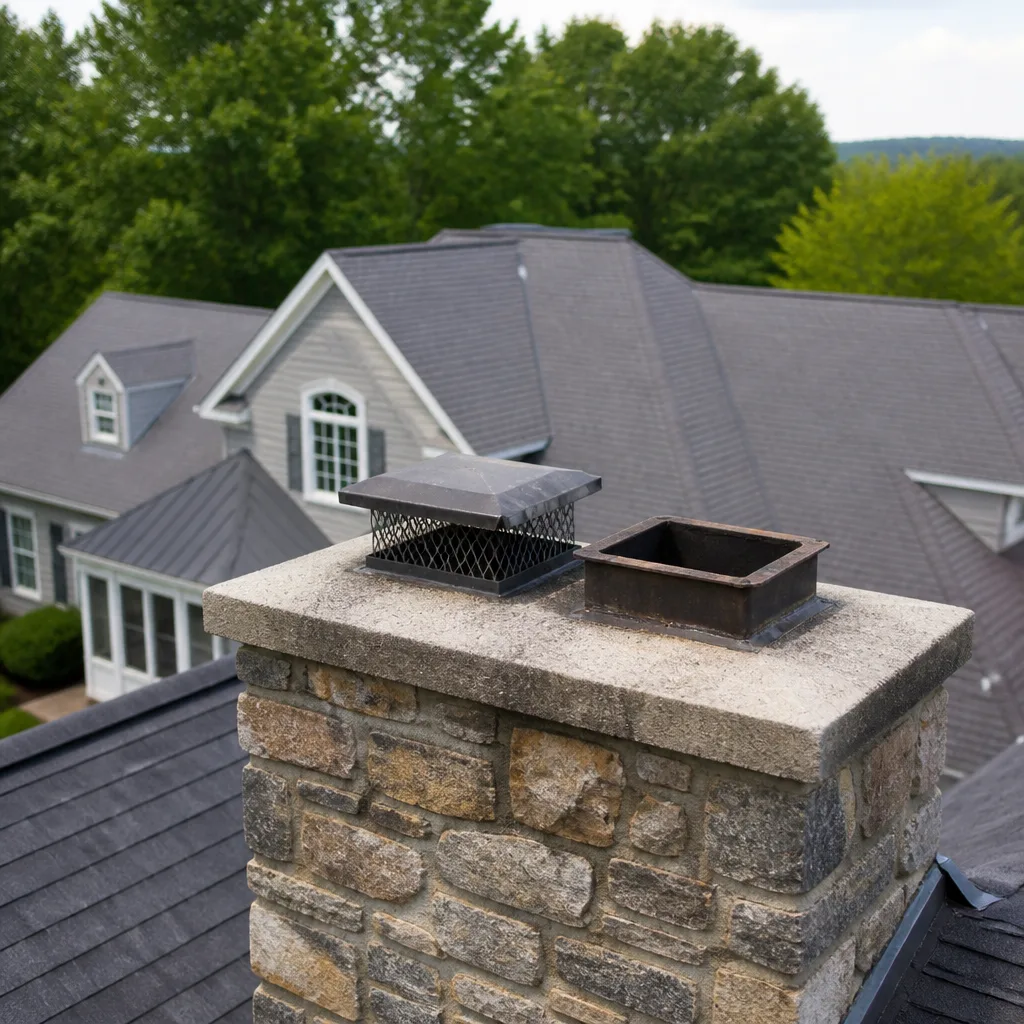
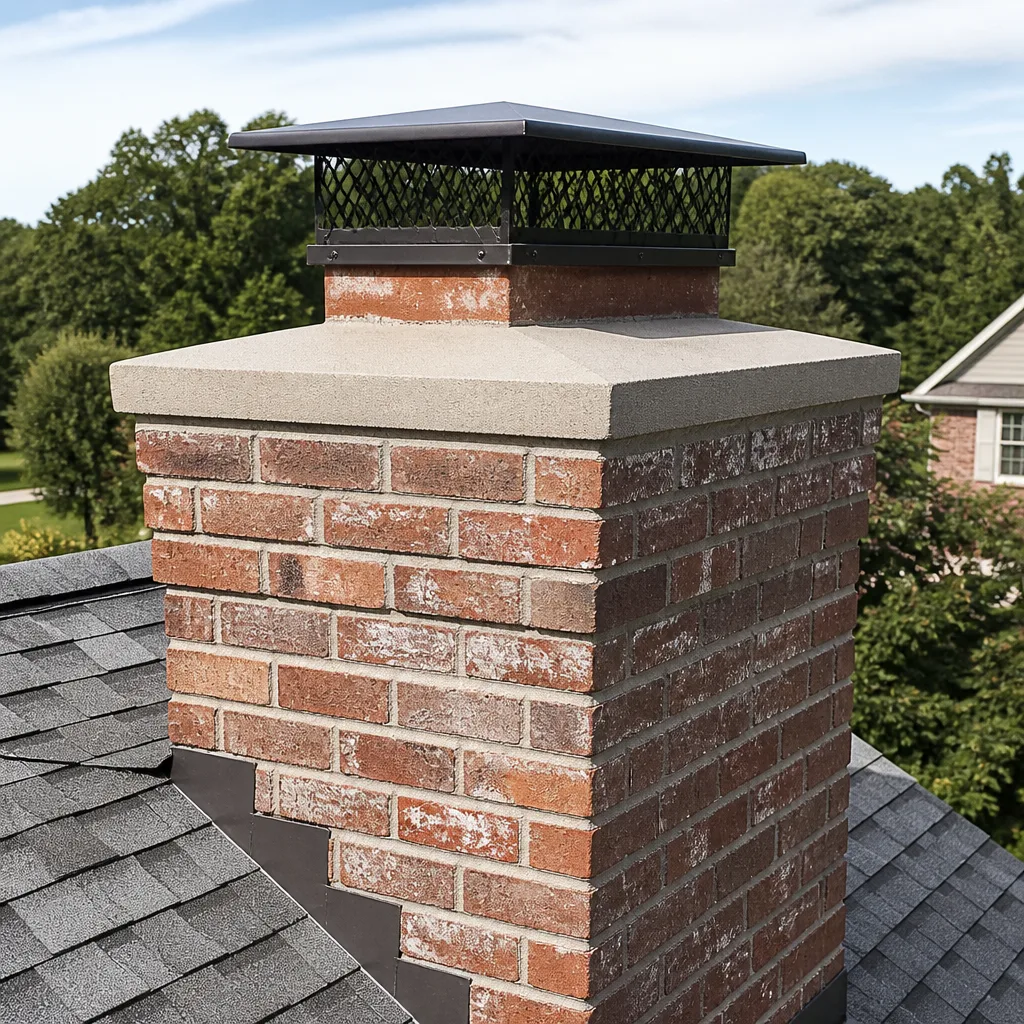
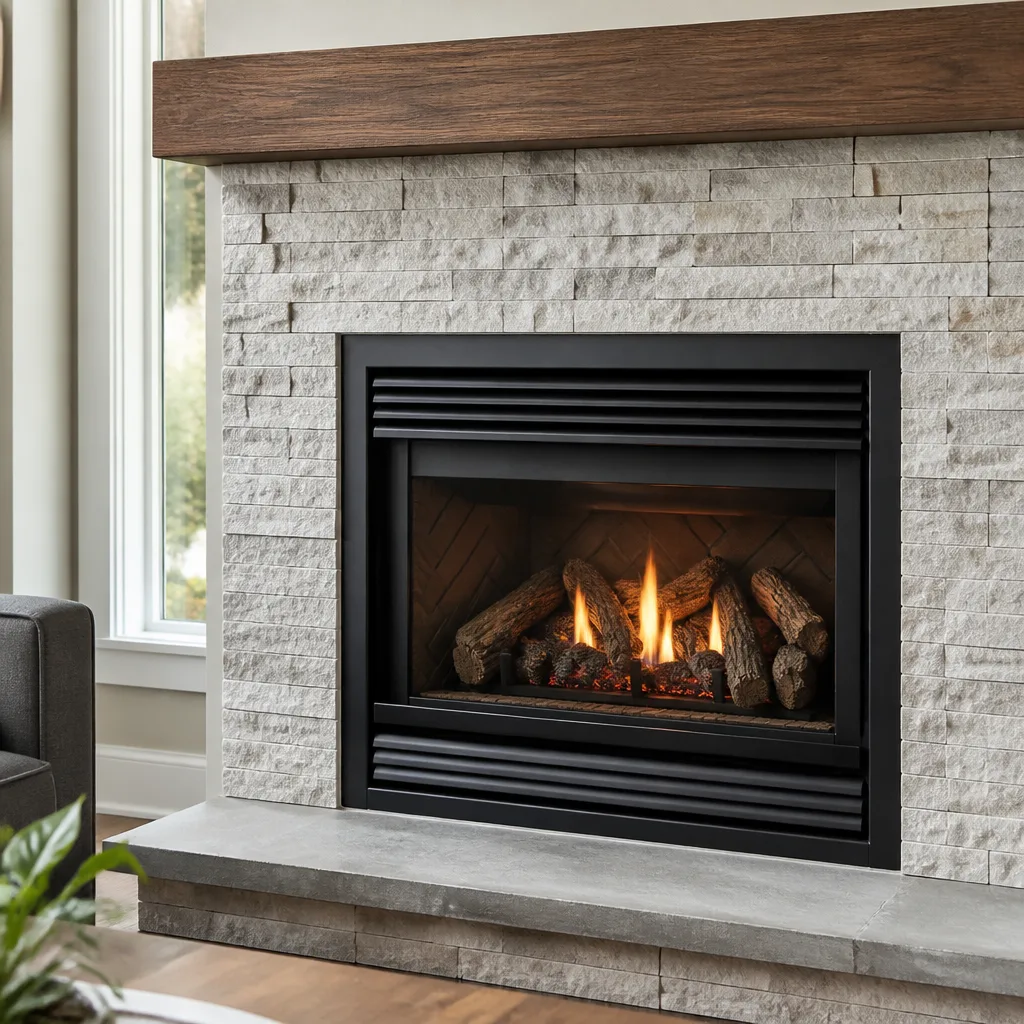
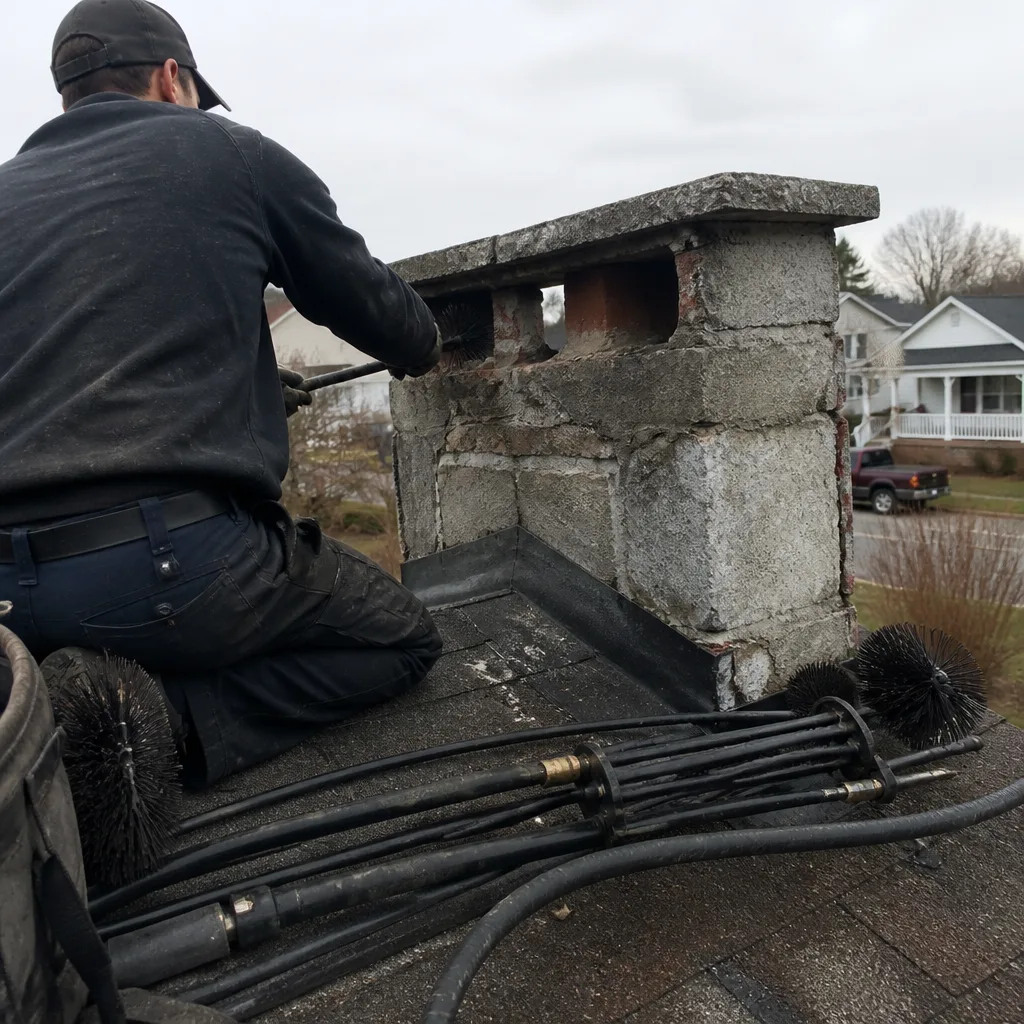 Before
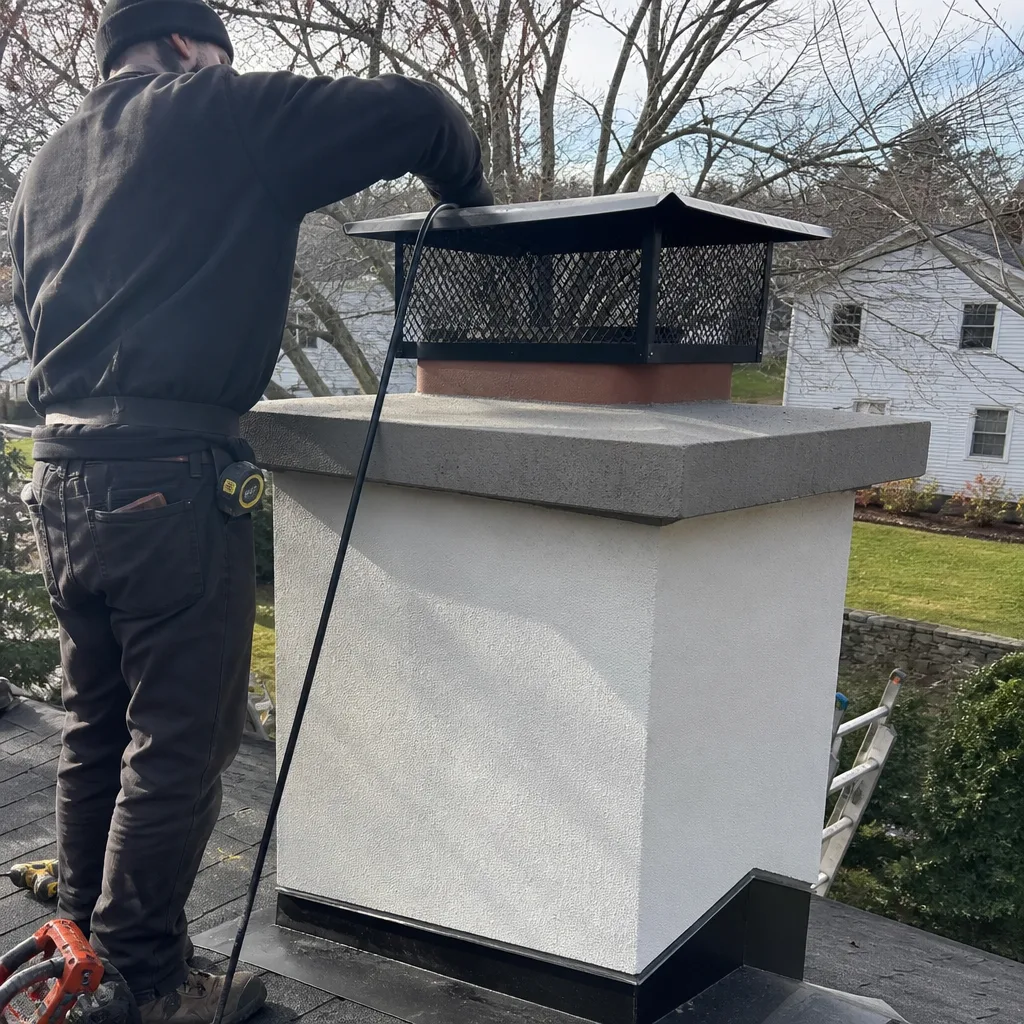 After
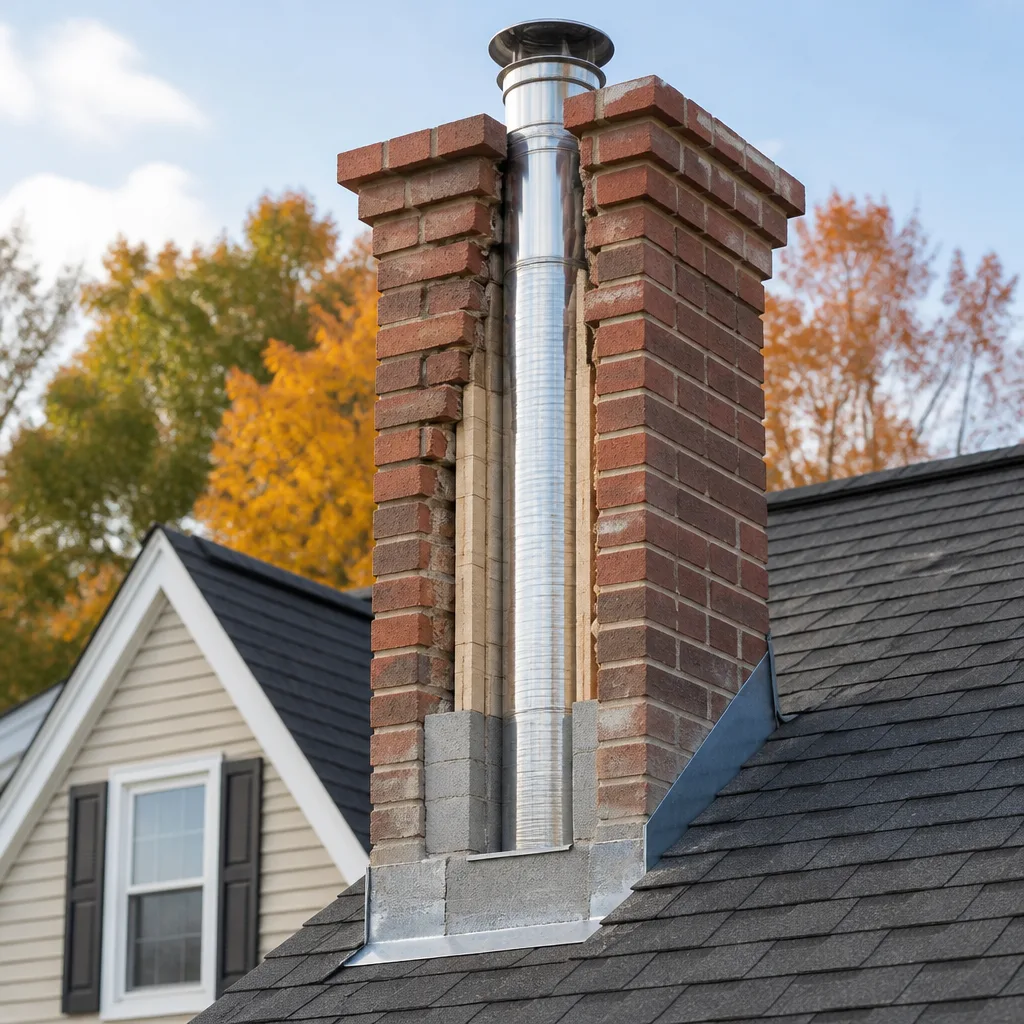
After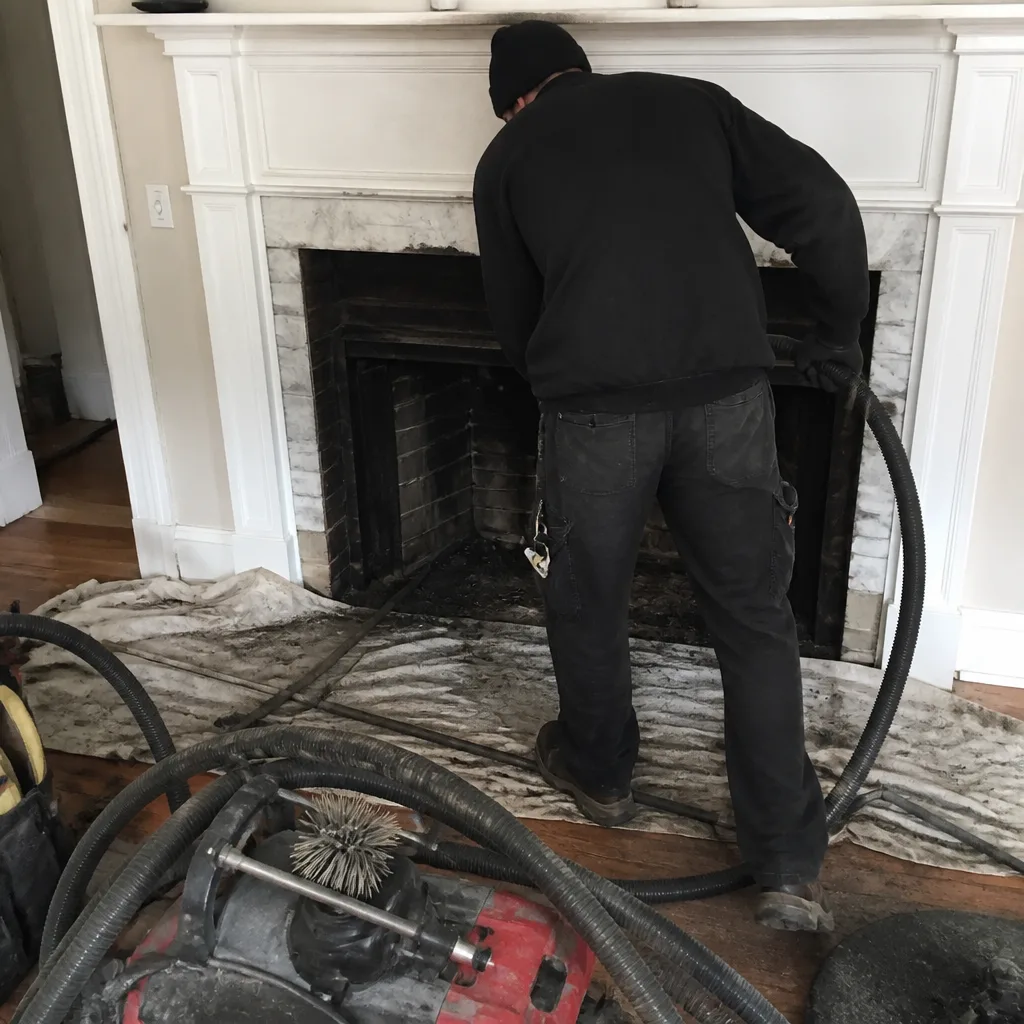 Before
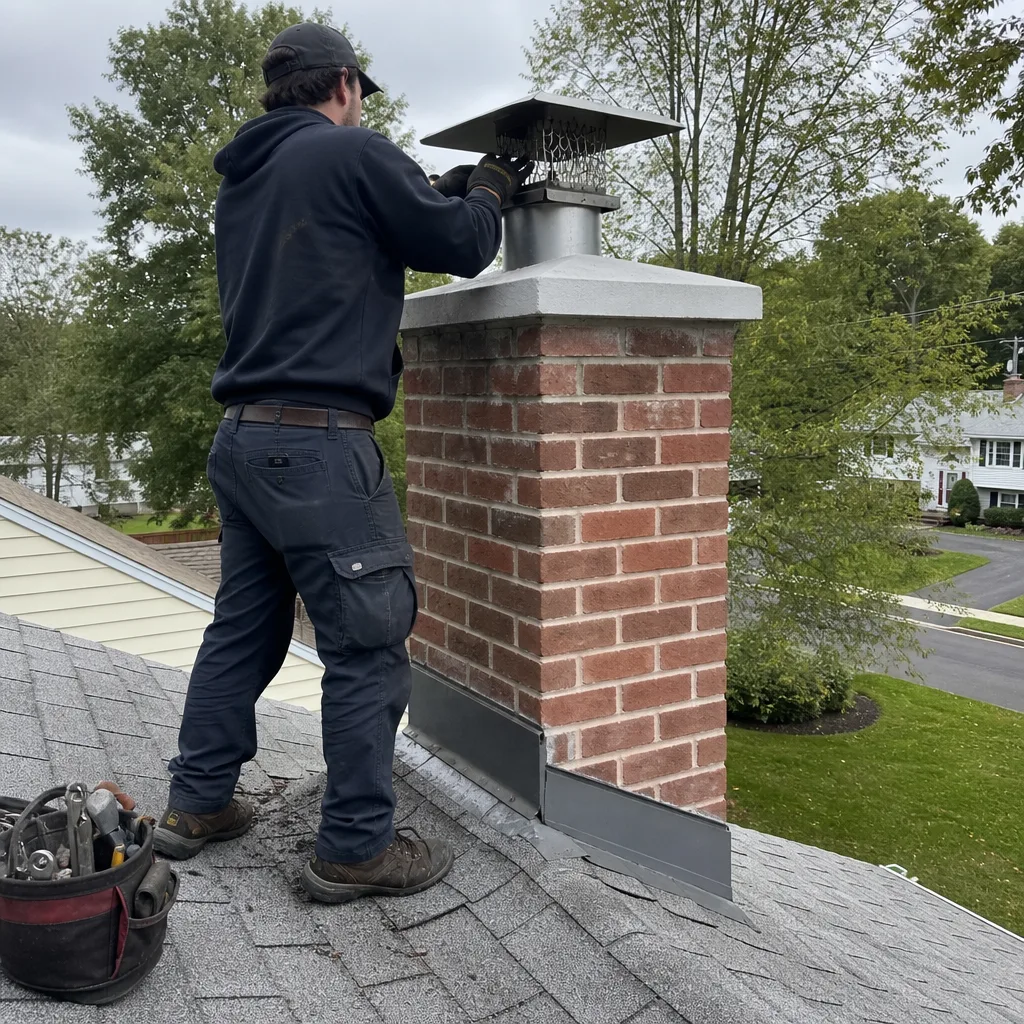 After
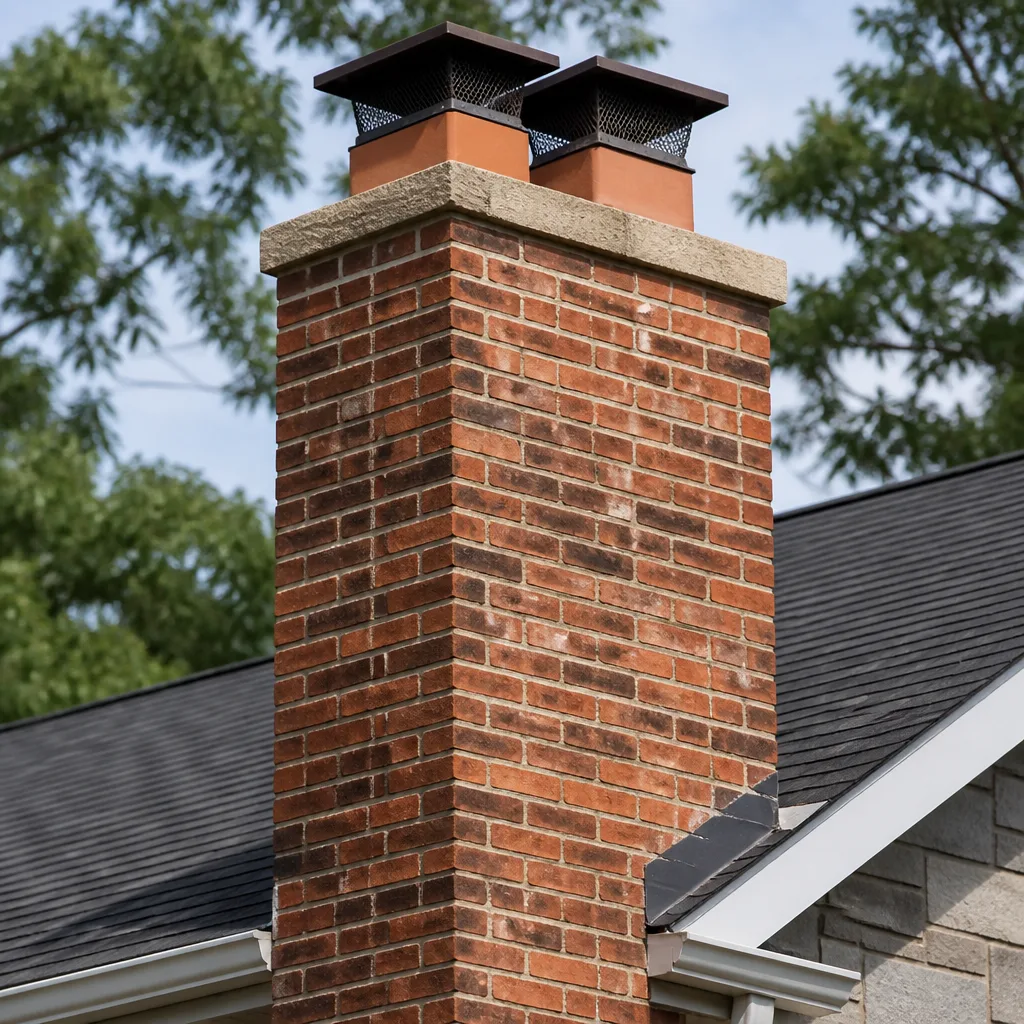
After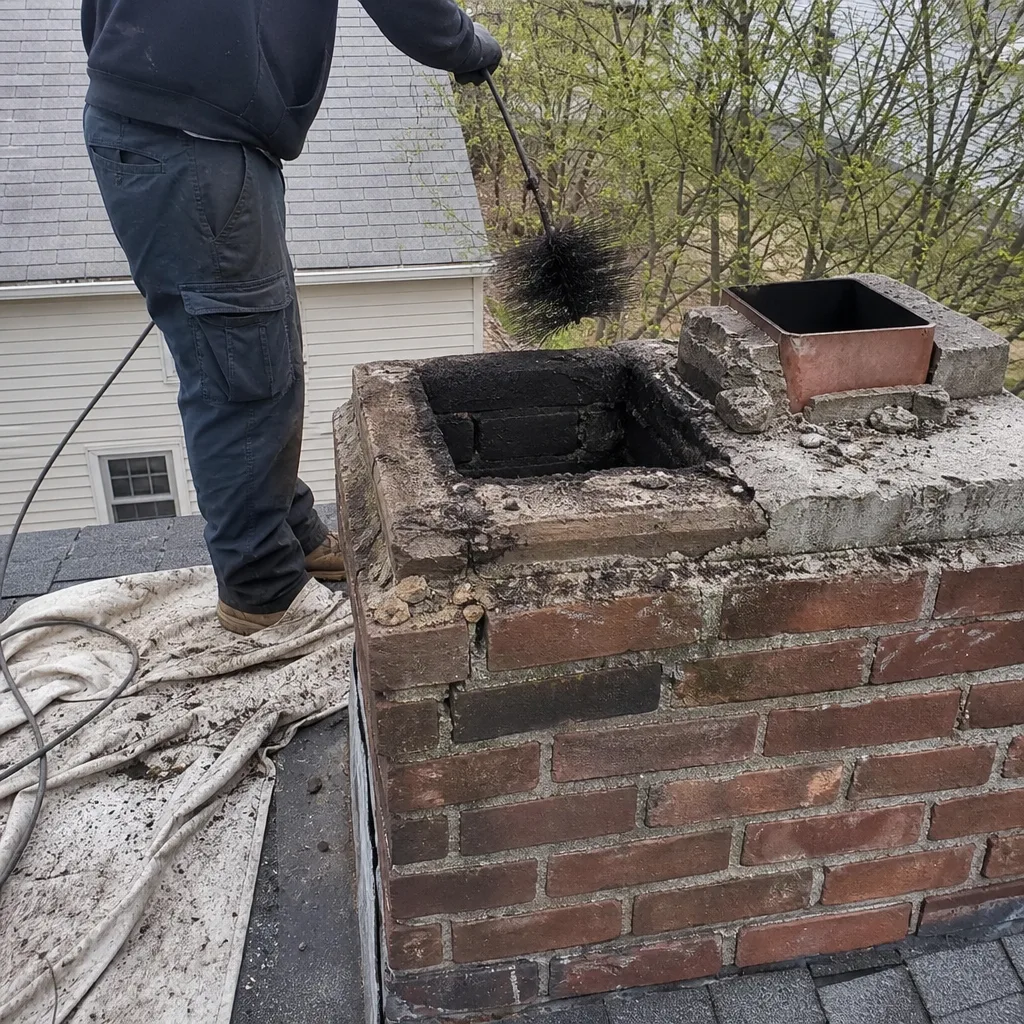 Before
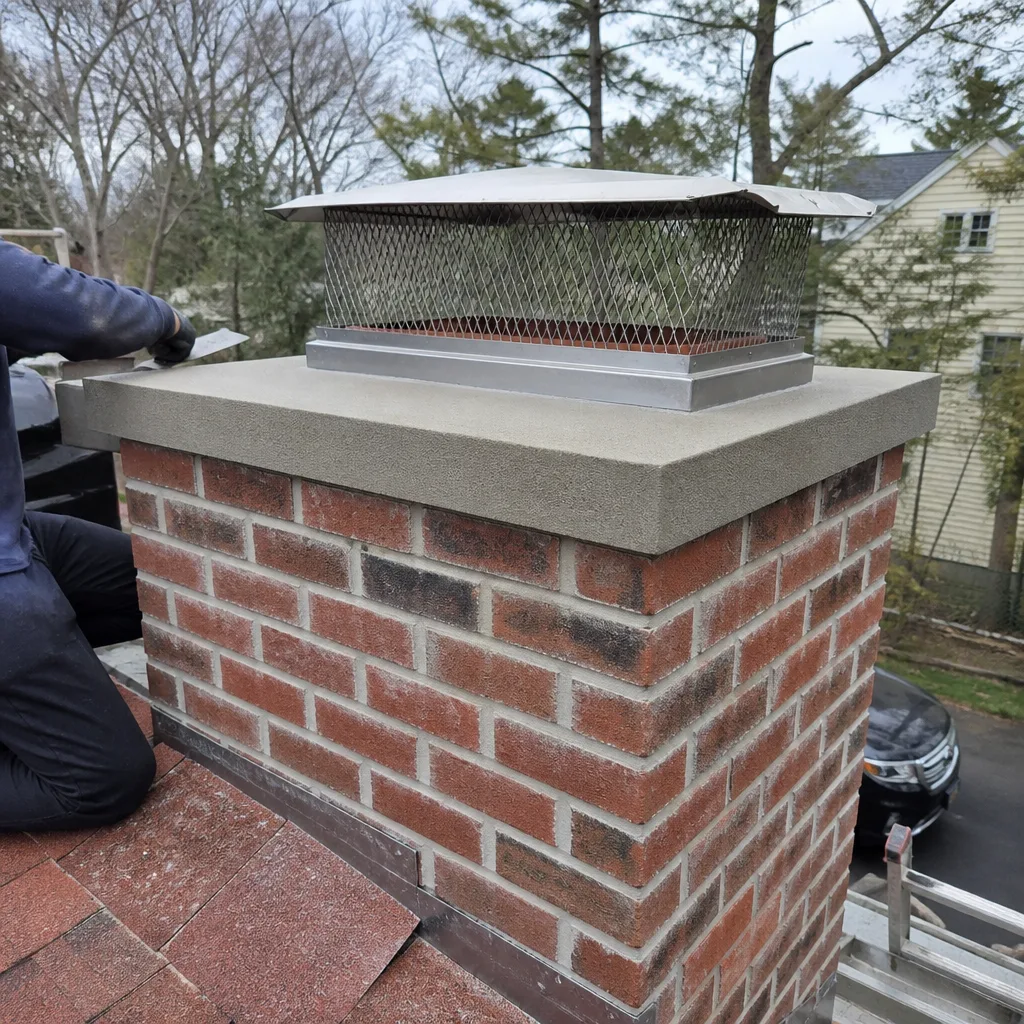 After
AfterThe Complete Guide to Chimney Cleaning in Norwalk
Here’s something most chimney guides won’t tell you: the biggest threat to your chimney in Norwalk isn’t the fire you burn. It’s the air you breathe. We sit close enough to Long Island Sound that salt-laden humidity works its way into brick and mortar year-round, and plenty of the advice floating around online was written for Denver, where the air is bone dry, or Dallas, where freezing is a rumor. This guide is different. It’s written for the house you actually live in, on the street you actually drive home on, in the climate Norwalk actually has. For seasonal chimney cleaning care for Norwalk homeowners, read our year-round guide. By the time you finish reading, you’ll know exactly what your chimney needs, what it doesn’t, and when you can safely tell a contractor no.
Quick Answer
Chimney cleaning in Norwalk typically costs between $189 and $320 for a standard sweep and inspection, and most homes with a wood-burning fireplace need it once a year. The governing standard is NFPA 211, which says clean when creosote reaches 1/8 inch thick. Two local conditions can move that schedule up: salt air accelerating mortar deterioration near the Sound, and damp shoulder-season burning that builds deposits faster than midwinter fires do. If you haven’t had the flue looked at in 12 months or more, start with a camera inspection before anyone puts a brush in it.
Table of Contents
- Why Norwalk Chimneys Fail Differently
- How Often You Actually Need a Cleaning
- What Chimney Cleaning Costs in Norwalk
- Level 1, 2, and 3 Inspections: What You Actually Need
- How to Read Your Own Firebox
- Creosote: The Three Stages and Why They Matter
- Liners, Salt Air, and the Coastal Connecticut Problem
- What a Licensed CT Sweep Must Document vs. What’s Upsell
Why Norwalk Chimneys Fail Differently
Norwalk sits in a strange spot for chimneys. We’re not far enough inland to escape the Sound’s influence, and not far enough south to avoid real freeze-thaw cycles in January and February. That combination does two things to masonry that a chimney in, say, Waterbury or Torrington never deals with.
First, salt air. When humid air rolls in off Long Island Sound, it carries fine salt particles that settle into the porous surface of brick and mortar. Over years, those salt crystals work their way into tiny cracks and expand as they absorb more moisture. That’s why you’ll see Norwalk chimneys with spalling brick and crumbling crown mortar at a rate you won’t find 20 miles north. The flue inside may be fine, but the structure holding it together is quietly coming apart.
Second, dampness changes how creosote forms. Creosote is a byproduct of incomplete combustion. When you burn wood in a humid coastal climate, the extra moisture in the air cools the smoke slightly as it rises. That cooling makes creosote condense on the flue walls faster and stick harder. The same fire that leaves a light dusty coating in a dry climate can leave a tacky, tar-like deposit in Norwalk in half the time. It’s not your wood. It’s not your technique. It’s the air.
We’ve swept flues in Rowayton that looked like they’d been burning for five years straight after only two seasons, simply because the house sits a few hundred yards from the water. You can’t fight the climate. You can only account for it.
How Often You Actually Need a Cleaning
The rule most professionals quote is NFPA 211, the National Fire Protection Association standard. It says chimneys should be inspected at least once a year and cleaned whenever creosote buildup reaches 1/8 inch thick. That’s the floor, not the ceiling. It applies everywhere, including Norwalk.
Here’s what actually changes the schedule for local homes:
- Distance from the Sound: Homes within about two miles of the water deal with higher humidity and more salt exposure. If you can smell the harbor from your deck, plan on an annual cleaning and a careful structural check each time.
- Shoulder-season burning: Norwalk’s spring and fall are damp. When you burn a fire in October or April, the flue stays cooler and creosote condenses faster. A few smoky fires on a mild night do more deposit damage than a full night of hot winter burning.
- Unseasoned wood: Wood that hasn’t dried at least six to twelve months produces more smoke, more moisture, and more creosote. This matters more here than inland because our air is already doing some of that work against you.
- How hot you burn: Small, smoldering fires build creosote. Hot, bright fires with good airflow burn cleaner. The way you run your fireplace changes the cleaning schedule as much as anything else does.
The short version: burn or no burn, have the flue inspected once a year. Chimneys break in the off-season too. Mortar cracks, caps loosen, and birds build nests whether you light a fire or not. In Norwalk, the salt air doesn’t take winters off either.
For a full rundown of the process, see our Chimney Cleaning & Sweep in Norwalk page.
What Chimney Cleaning Costs in Norwalk
Chimney cleaning in Norwalk runs between $189 and $320 for a standard sweep with a visual inspection. That’s the honest range for a one-flue, one-fireplace home with normal buildup. The final number depends on what’s actually in your flue, how many flues you have, and whether you need anything beyond a basic brushing.
Here’s how pricing typically breaks down:
- Standard sweep and Level 1 inspection: $189 to $280. This covers the brushing, the visual check, and the basic documentation.
- Camera inspection add-on: $75 to $150. This is the part that tells you what the brush can’t. We won’t recommend liner work without it, and neither should anyone else.
- Heavy creosote or glaze removal: $100 to $250 extra depending on severity. Third-degree creosote isn’t brushed off; it’s removed with specialized tools and takes longer.
- Chimney cap replacement: $150 to $400 installed, depending on the cap size and material. A missing or rusted cap is one of the most common findings on Norwalk chimneys.
- Crown repair or reseal: $250 to $700 depending on the extent of the damage. Salt air accelerates crown wear, so this is a recurring need near the water.
Two tips before you book anything. First, get the number in writing before the tools come off the truck. If a company won’t do that, find one that will. Our step-by-step guide to hiring a chimney cleaning contractor in Norwalk walks you through what to ask. Second, if someone quotes you under $100 for a full sweep and inspection in Norwalk, ask what’s actually included. There’s usually a catch, and the catch is usually that the “inspection” is a glance from the ground.
Jerry and the crew at Top Hat Chinney give you the price on the phone and it doesn’t change when we arrive. Call (475) 375-2748 for a straight quote.
Level 1, 2, and 3 Inspections: What You Actually Need
The inspection levels come from NFPA 211, and they’re specific. Understanding them protects you from paying for either too little or too much.
Level 1 inspection is the standard annual check. The sweep looks at the readily accessible parts of the chimney: the firebox, the damper, the flue interior (with a light or a simple camera), and the exterior from the ground or roof if it’s safe to access. If you burn regularly and nothing has changed about your system, this is what you need every year. It’s the minimum for good reason.
Level 2 inspection is required when something changes: you buy or sell the house, you change fuel types, you reline the flue, or the chimney has been through a chimney fire, an earthquake, or a severe weather event. It includes everything in Level 1 plus a full video scan of the flue interior, an attic and crawlspace check where the chimney passes through, and a closer look at the exterior. If you just bought a home in Norwalk and nobody can tell you the last time the chimney was checked, this is the inspection to get. It’s also what we recommend after any suspected chimney fire, even a small one.
Level 3 inspection is the big one. It’s used when a Level 2 finds something serious that needs a closer look, or when parts of the chimney are hidden behind walls and can’t be inspected any other way. It may involve removing portions of the chimney or building structure. You rarely need this unless something has already gone wrong. If a contractor pushes a Level 3 on a routine maintenance visit, ask why in specific terms. There should be a clear reason.
Most Norwalk homeowners need a Level 1 annually and a Level 2 at purchase or after a chimney fire. That’s it. Don’t let anyone upsell you into a Level 3 because it sounds more thorough.
How to Read Your Own Firebox
Your fireplace leaves clues after every burn, and learning to read them saves you from burning inefficiently all winter and building creosote faster than you should. Here’s what to look for.
- Black, shiny glaze on the firebox walls: That’s creosote in its late stage. If you see it shimmering after a fire, you’re burning cool and smoky. Your flue has the same problem, likely worse. Call for a cleaning sooner rather than later.
- Fluffy gray ash and little else: This is what you want. Clean, hot burns leave light ash and very little buildup. If your fires burn bright and leave fine gray powder, your burning habits are good.
- Chunks of unburned wood left behind: That means the fire never got hot enough to fully combust the fuel. Big logs, insufficient airflow, or green wood will do this. The unburned material becomes smoke, and smoke becomes creosote.
- White or gray crystalline deposits: These can indicate moisture intrusion or the breakdown of firebrick. If you see white staining, especially near the top of the firebox, have the chimney checked for water entry.
- Rust on the damper or metal parts: Damp air from Norwalk’s coastal humidity does this. Rust on the damper means moisture is getting down the flue, which often points to a missing or failing cap.
Your flue doesn’t care how the fire looks. It cares how it breathes. If you’re seeing shiny black glaze or unburned wood after every fire, you’re building creosote faster than a once-a-year sweep can keep up with. Adjust your burning habits and get the flue checked.
Creosote: The Three Stages and Why They Matter
Creosote isn’t one substance. It’s a family of deposits that form at different temperatures and moisture levels, and each stage tells you something different about your fireplace and your burning habits.
First-degree creosote is the dusty, flaky stuff. It’s soft, brownish or gray, and it comes off with a standard brush. Nearly every chimney has some of this after a season of burning. First-degree creosote is a brush job. It’s normal, and it’s the reason annual cleanings exist.
Second-degree creosote is the crunchy, tar-like stage. It looks like blackened popcorn or brittle flakes. It forms when fires burn cooler, which happens easily during Norwalk’s damp spring and fall. Second-degree creosote still comes off with a brush, but it takes more work and may require rotary cleaning tools.
Third-degree creosote is the glaze. It’s shiny, hard, and can look like a black mirror inside your flue. It forms when creosote has been heated and cooled repeatedly until it becomes a dense, varnish-like coating. Third-degree creosote doesn’t brush off. It’s flammable, it restricts airflow, and it’s a chimney fire waiting for the right spark. Removing it takes specialized tools and often a chemical treatment first.
The lesson: catch it early. First-degree creosote is a brush job. Third-degree is a glaze. If you sweep once a year in Norwalk, you’ll almost never see third-degree buildup unless something is wrong with your wood, your airflow, or your burning habits. If you wait three years, you’re rolling dice.
Liners, Salt Air, and the Coastal Connecticut Problem
Chimney liners do the real work of your chimney. They contain the heat, carry the smoke, and protect the masonry around them. In Norwalk, liners face an extra challenge that inland guides rarely mention: salt air accelerates corrosion and deterioration in ways that dry climates never see.
Clay tile liners, which are common in older Norwalk homes, crack over time. The cracks come from thermal stress, but the process speeds up when moisture and salt work into the mortar joints between tiles. Once a tile cracks, hot gases can reach the brick behind it, and that’s when things get dangerous. A cracked flue liner can allow carbon monoxide into the home and heat into places it was never meant to go.
Stainless steel liners, the modern standard, resist corrosion far better than clay. We install and work with liners from DuraFlex and Olympia Chimney, both of which hold up well in coastal conditions. When a Norwalk chimney needs relining, stainless is usually the right call. It handles the moisture, lasts decades, and carries a better warranty than the alternatives.
Another option for older chimneys with damaged clay liners is HeatShield, a resurfacing system that restores the flue interior without a full tear-out. It’s worth asking about if your liner is in rough shape but the chimney structure itself is sound. The camera footage tells us which path makes sense, and we’ll show it to you plain, no guessing.
If you’re seeing crumbling mortar, spalling brick, or white staining on an exterior chimney in Norwalk, the liner may be the least of your worries. Have the whole system checked. The masonry holds it all together, and near the Sound, the masonry is always the first thing to go. Our Chimney Repair in Norwalk page covers the structural side in detail.
What a Licensed CT Sweep Must Document vs. What’s Just Sales Upsell
Connecticut requires chimney sweeps to be licensed through the Department of Consumer Protection. The license means the sweep has met minimum training standards and carries the required insurance. What it doesn’t mean is that every company will document the same things, so here’s what to expect and what to question.
What a Licensed Sweep Must Document
- Inspection findings: A written record of what was found, including creosote levels, structural concerns, and any safety issues. The CSIA and NFPA both set standards for what this documentation should include.
- Cleaning confirmation: What was cleaned, how it was cleaned, and the condition of the flue after the work.
- Safety issues: Any problem that creates a fire hazard or carbon monoxide risk must be noted in writing. This includes cracked liners, blockages, and improper clearances.
- License and insurance proof: You have a right to see it. A licensed sweep should provide license and insurance information without hesitation.
What’s Usually Just Upsell
- “Free” chimney inspections that always find a problem: If the inspection is free, the fix is where the profit lives. A paid inspection has some accountability behind it.
- Liners quoted without camera evidence: Nobody should tell you that you need a new liner without showing you the footage. The camera tells the truth. Demand to see it.
- Waterproofing “required” on every chimney: Waterproofing helps in Norwalk’s climate, but it’s not urgent for every home. A good sweep tells you when it can wait.
- Chemical cleaners sold as a substitute for sweeping: Logs and powders that claim to clean your chimney are a complement, not a replacement, for a real brushing. Anyone who says otherwise is selling something.
- Level 3 inspections on routine visits: As covered above, Level 3 is for serious problems. If it’s suggested without a specific reason, push back.
The camera footage and a plain-English verdict, every time, no exceptions. That’s the standard any Norwalk homeowner should hold a sweep to. If a company can’t or won’t show you what they found, take your chimney elsewhere.
Common Mistakes to Avoid
- Waiting until you smell smoke indoors. By the time you smell it in the living room, the problem has been building for months. Annual maintenance costs less than the panic call in January.
- Assuming a newer home doesn’t need attention. Newer construction can have hidden installation issues, and Norwalk’s salt air doesn’t care how old the house is. First-year inspections catch problems before they compound.
- Using the fireplace to burn trash or treated wood. Burning anything other than seasoned firewood produces toxic fumes and deposits that a brush can’t always remove. It’s also illegal in many Connecticut municipalities.
- Ignoring the chimney in the off-season. Chimneys break in the off-season too. Summer humidity, fall rain, and winter’s freeze-thaw cycles all do damage whether you’re burning or not.
- Trusting a quote that seems too good. A $79 sweep in Norwalk either isn’t a real sweep or isn’t a real inspection. The cost of a proper cleaning is what it is, and cutting corners on a chimney is cutting corners on your family’s safety.
- Skipping the camera inspection because the brush “came out clean.” The brush tells you what came off. The camera tells you what’s still there. These are different things, and the camera footage is what prevents expensive surprises later.
When to Call a Professional
Call a sweep if you’ve lived in the home a full year without an inspection, if you’ve just bought the place, if you see shiny black glaze in the firebox, if you smell smoke when the fire isn’t lit, if the damper is rusted or stuck, if you’ve had a chimney fire even a small one, or if you see crumbling brick or white staining on the exterior chimney. These aren’t DIY situations. A chimney that’s breathing wrong can put carbon monoxide into your home without any smell or visible warning. Top Hat Chimney offers free estimates in Norwalk, and Wendell puts his name and license number on every job. Call (475) 375-2748 and a live person answers.
For fireplace-specific issues, our Fireplace Services in Norwalk page covers the full range of work we handle.
Frequently Asked Questions
A standard chimney sweep and Level 1 inspection in Norwalk costs between $189 and $280 for a single-flue home, and a camera inspection adds $75 to $150 if you want the full picture. Heavy creosote removal or additional flues will push that higher. Call (475) 375-2748 for an exact quote, and you’ll get the price before any work begins.
Annually, at minimum, per NFPA 211. Homes within about two miles of Long Island Sound often need more frequent attention because coastal humidity causes creosote to form faster, and salt air accelerates masonry wear. If you burn during damp spring and fall weather, schedule your annual sweep for after the burning season ends so you start the next one clean.
Sometimes you genuinely need one, and sometimes you don’t. The only way to know is with a camera inspection that shows the flue interior. If a contractor recommends a liner without showing you the footage, get a second opinion. A cracked clay tile liner is a real hazard, but a liner with minor surface wear may have years left. We don’t recommend liner work without the camera evidence, and you can see it yourself before you decide.
Creosote builds up in layers, and eventually it reaches a stage where it can ignite. A chimney fire can crack the flue, damage the mortar, and put the house at risk without you ever knowing it happened. The buildup also restricts airflow, which pushes smoke and carbon monoxide back into the home. The risk compounds every year you skip. One sweep a year is cheaper than a reline, and far cheaper than a fire.
Yes, because the chimney still weathers. Norwalk’s humidity, salt air, and freeze-thaw cycles damage mortar and caps whether you burn or not. Plus, occasional fires often burn cooler than regular ones, which builds creosote faster. The inspection matters as much as the cleaning, especially on a chimney that sits idle most of the year.
Look for a Connecticut Department of Consumer Protection license, proof of insurance, a written quote before the job starts, and a willingness to show you camera footage of your flue. Not sure whether to tackle it yourself? Read our DIY vs Professional Chimney Cleaning: The Norwalk Homeowner’s Decision Guide. Ask if they document their findings in writing. Be wary of free inspections and bargain pricing. A local company with a published address and a real person answering the phone is almost always the safer bet. Ask anyone on your street who they use.
The Bottom Line
Norwalk chimneys need the same annual cleaning as anywhere else, but the coastal climate means the consequences of skipping are sharper here. Salt air breaks down mortar faster, humidity makes creosote form quicker, and mild weather encourages the kind of low, smoldering fires that coat a flue in tar. The fix is simple: get a Level 1 inspection once a year, demand camera evidence before agreeing to any major work, and use a sweep who gives you a straight answer and a straight price. The camera footage and a plain-English verdict, every time, no exceptions. If you’re due for a cleaning, or you’ve never had one, explore more guides & resources on our blog, or call Top Hat Chimney at (475) 375-2748. Wendell answers the phone himself more often than not, and the quote you get is the price you pay.
Written by Wendell Pike, Owner at Top Hat Chimney, serving Norwalk since 1999.