
Last updated September 10, 2026
Level 1 sweep and inspection to the NFPA 211 annual standard - flue, crown, cap, and flashing checked and photographed
Chimney sweep logs do not sweep chimneys. They loosen some creosote - which then falls where a brush and vacuum still have to collect it.
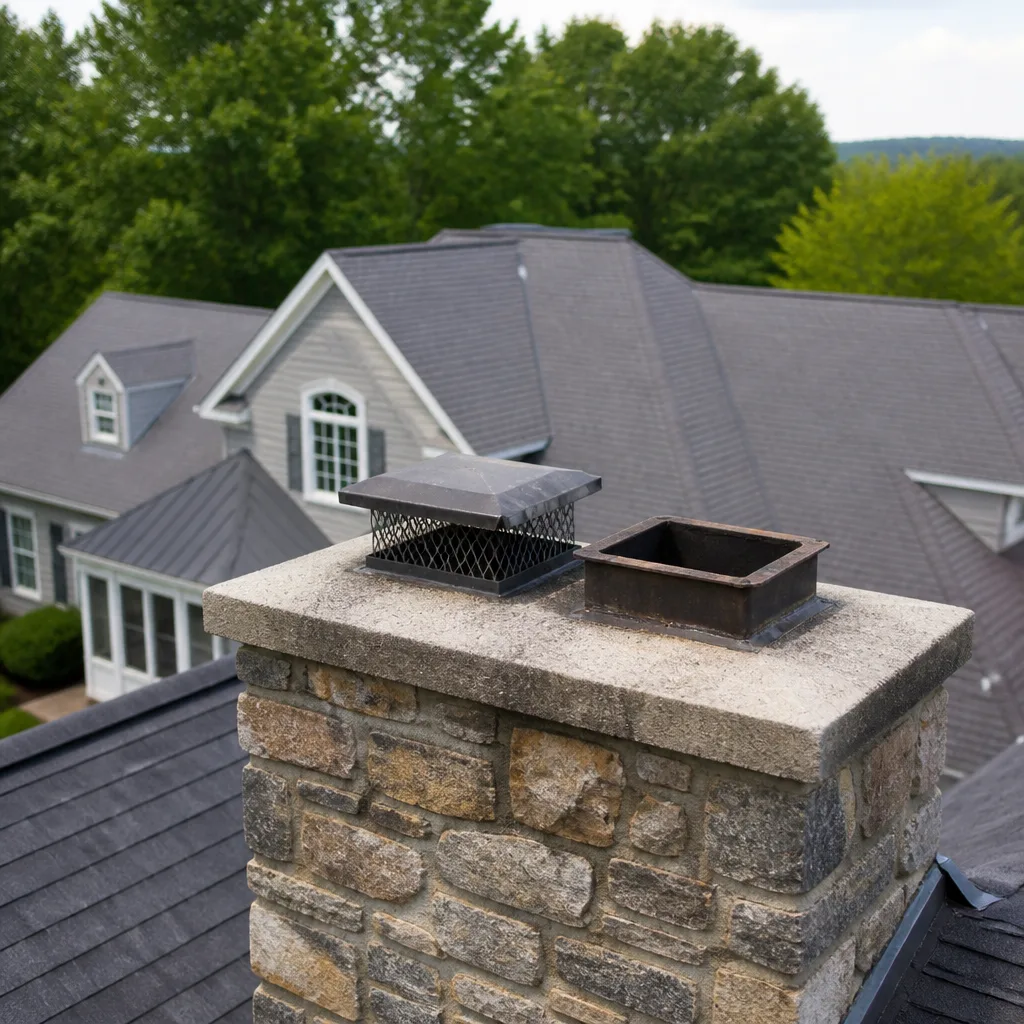
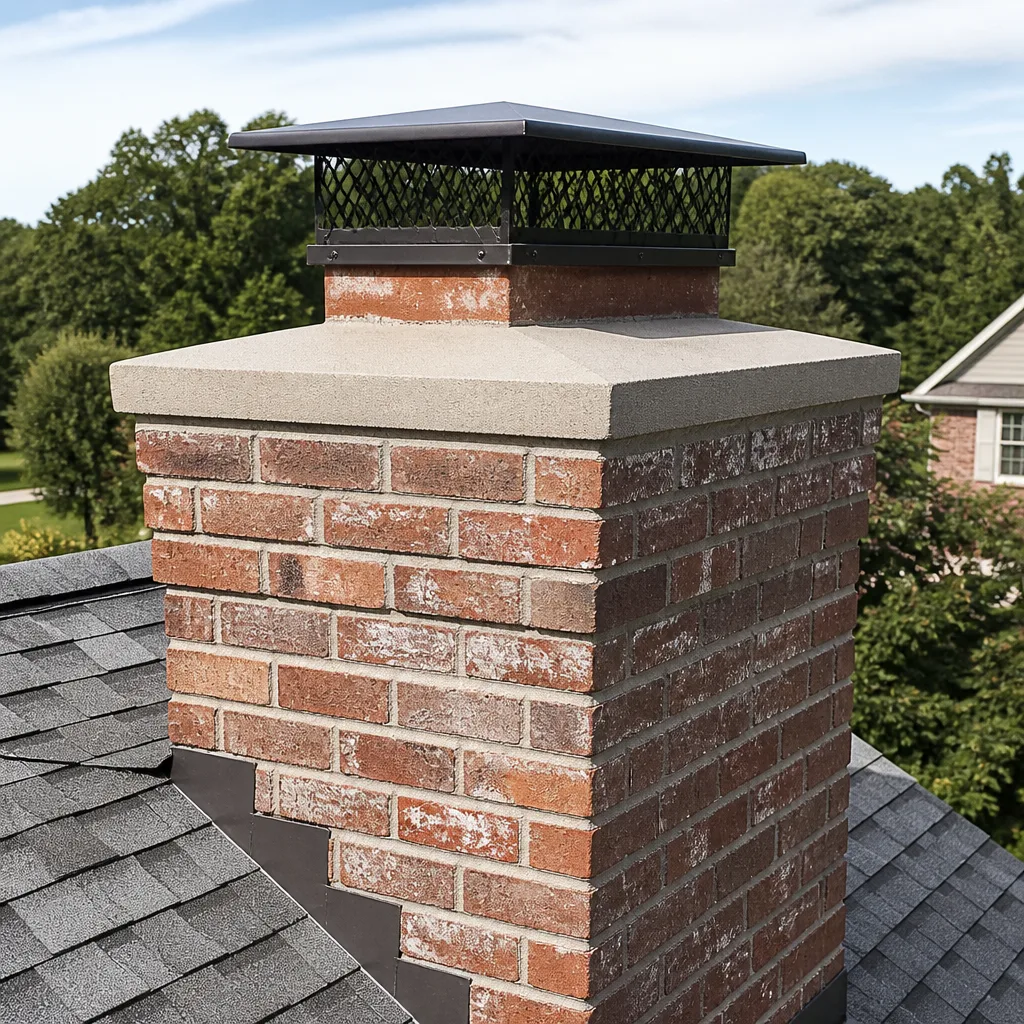
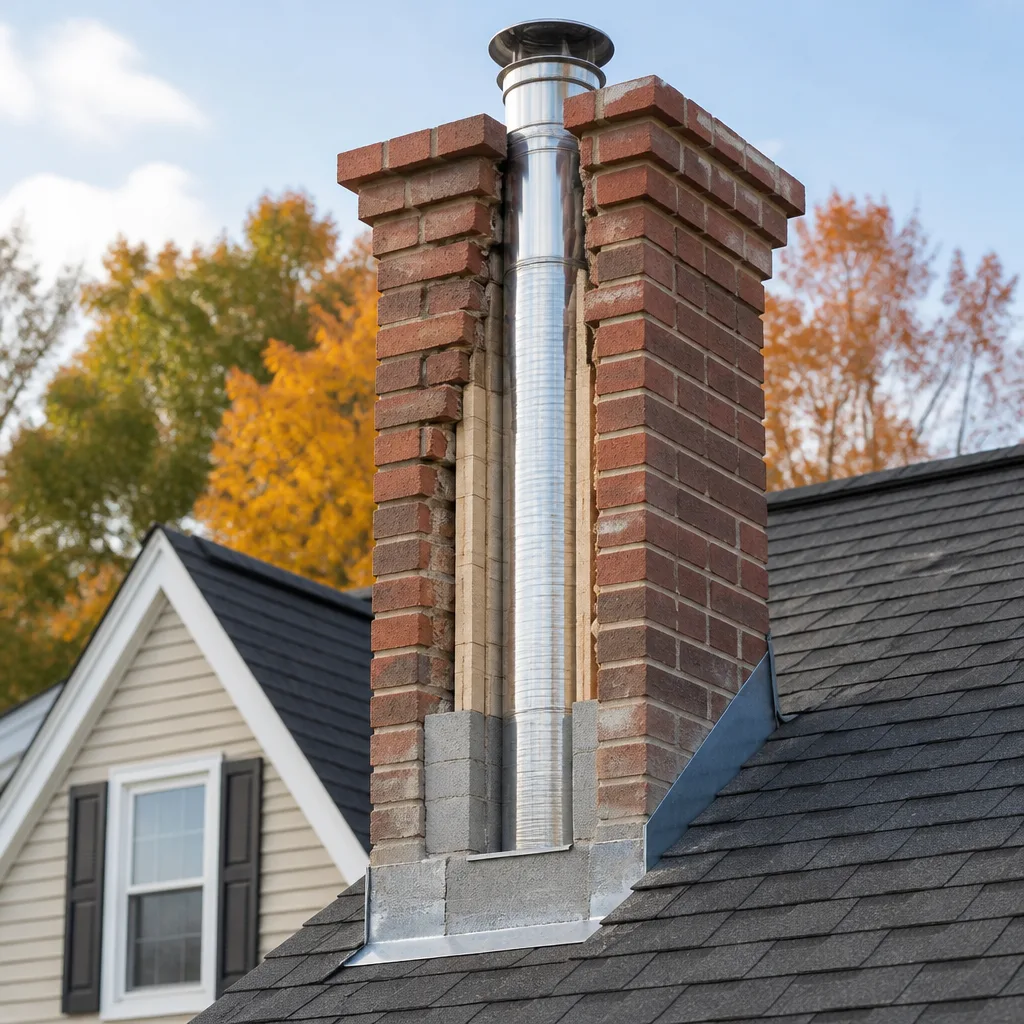
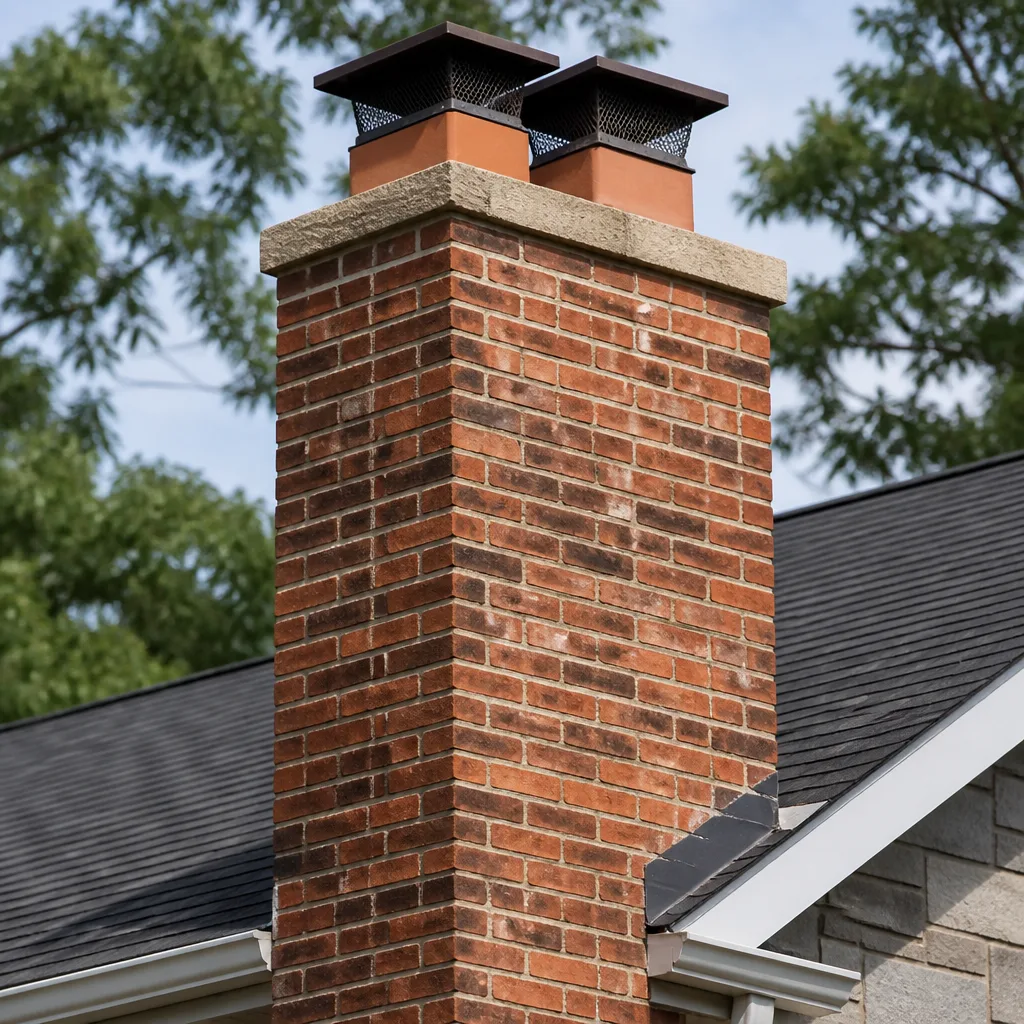
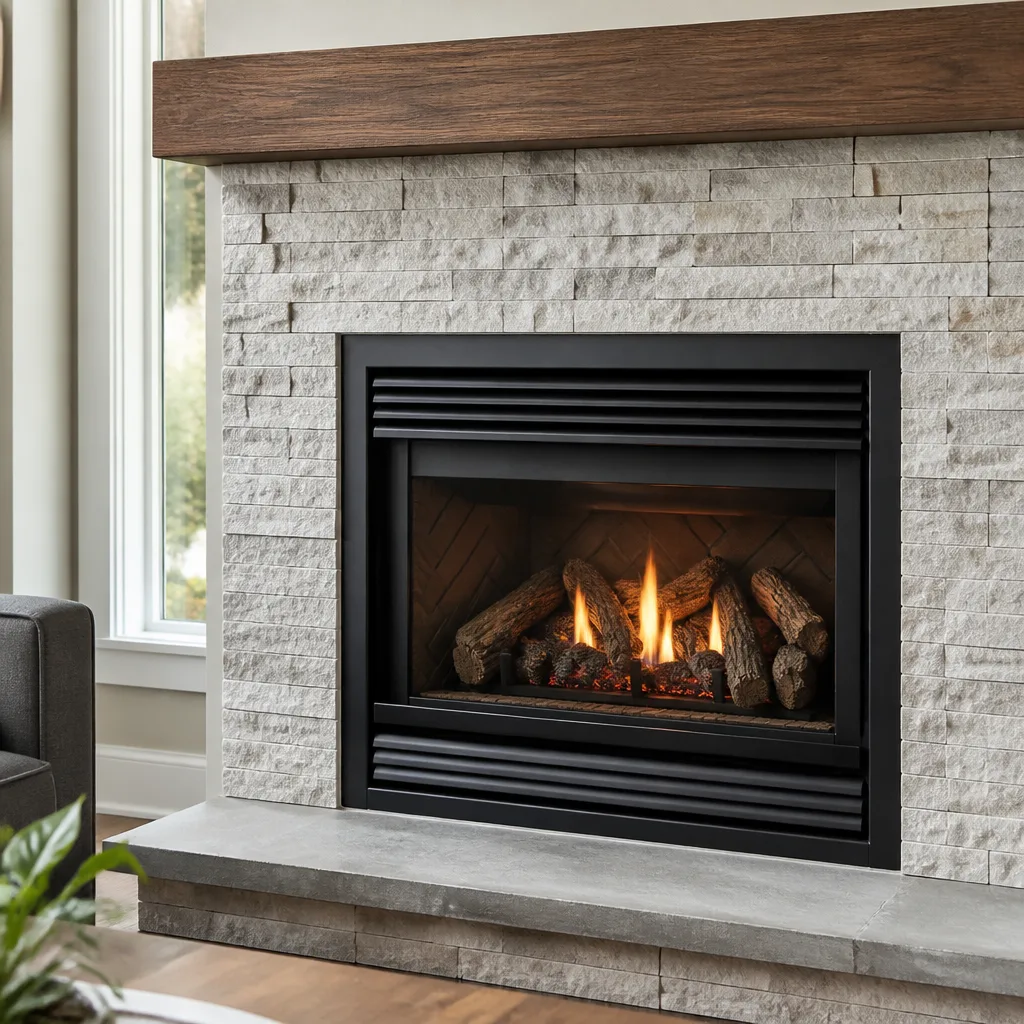
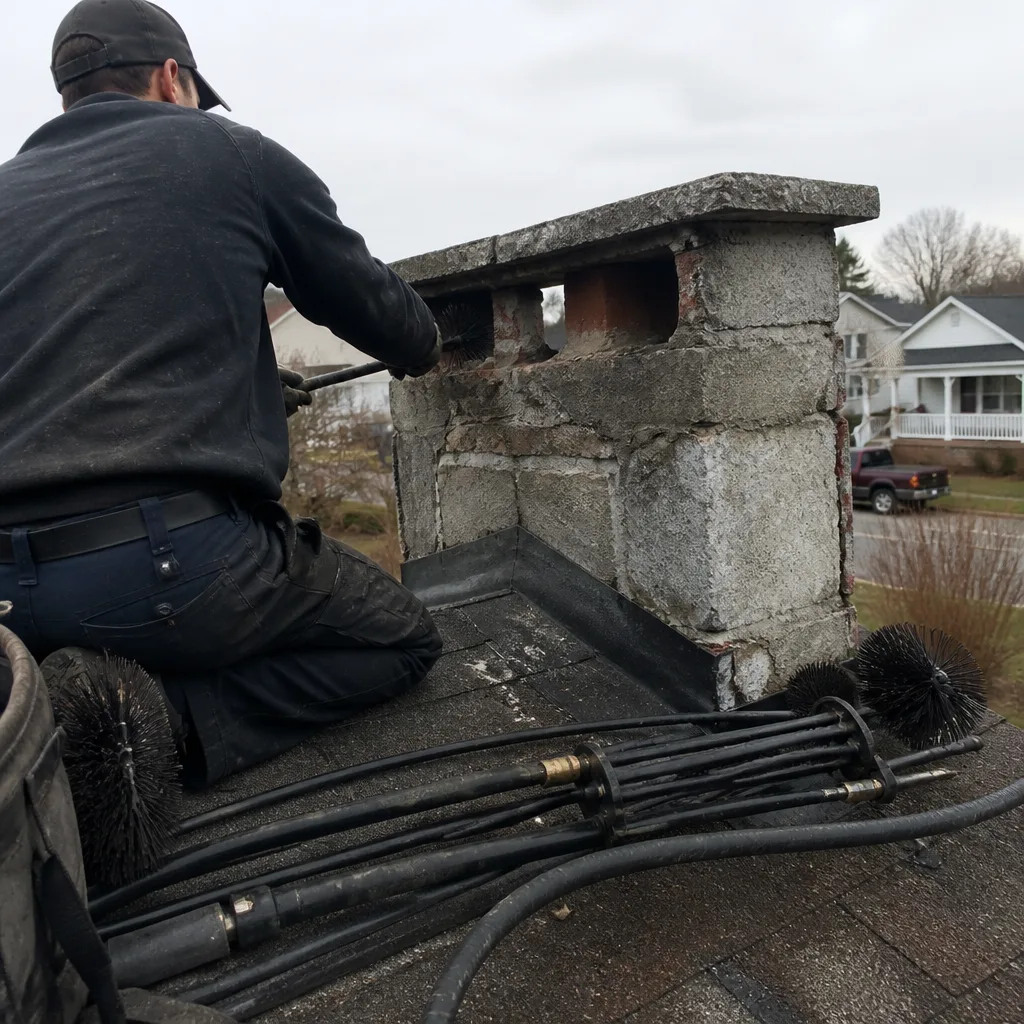 Before
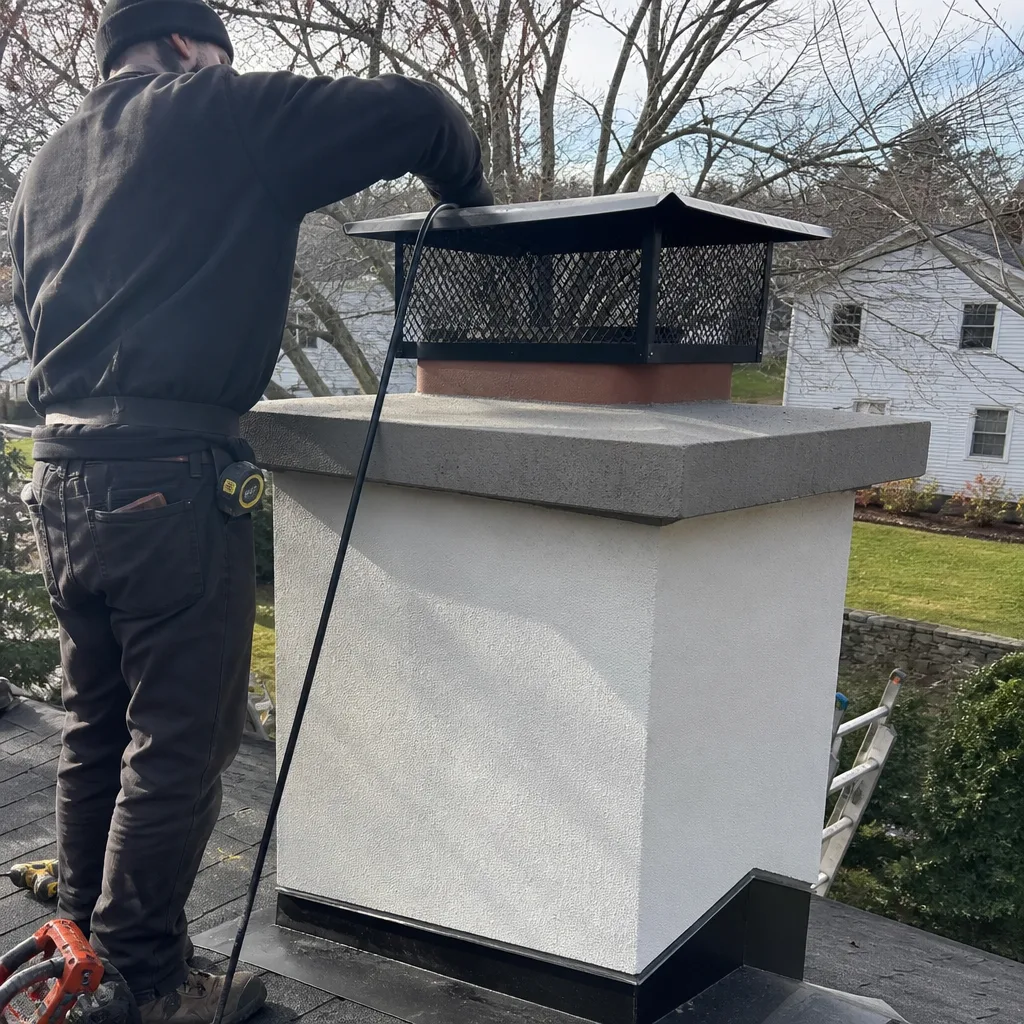 After
After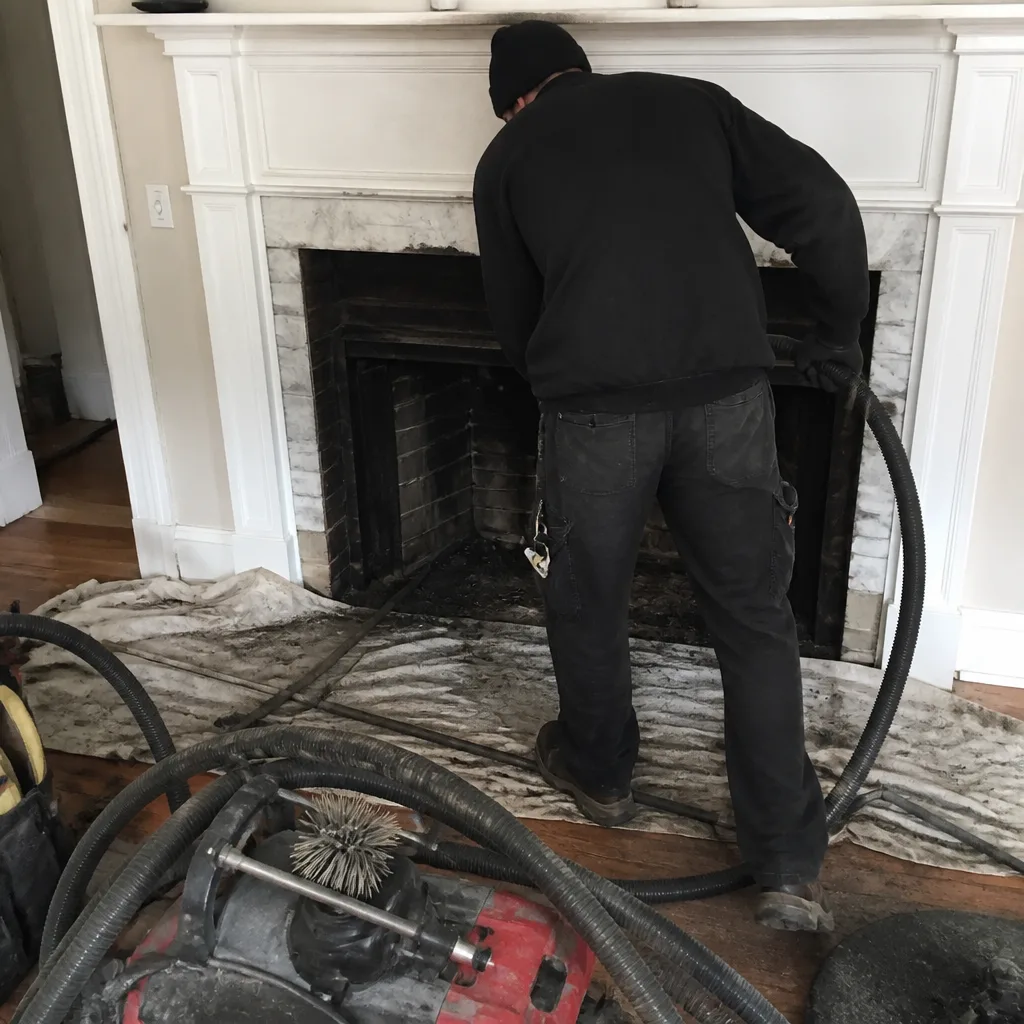 Before
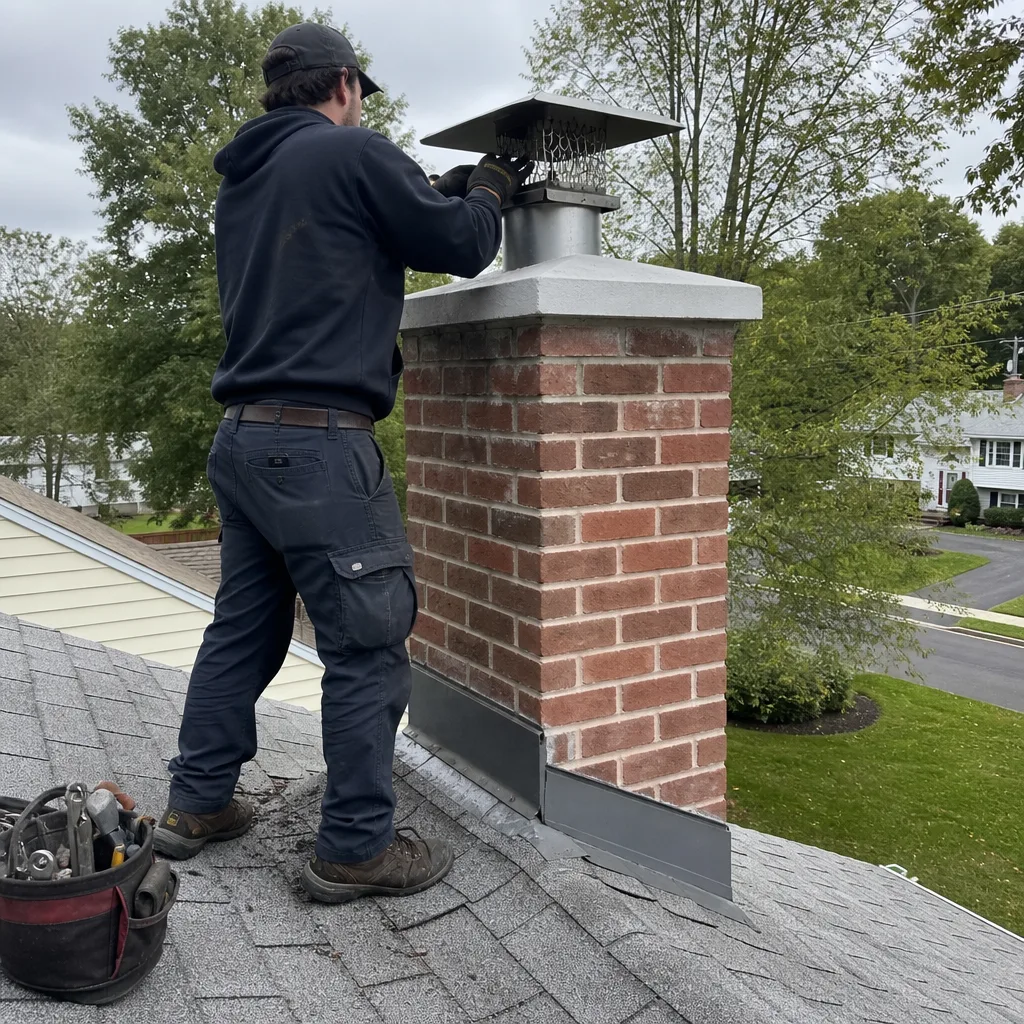 After
After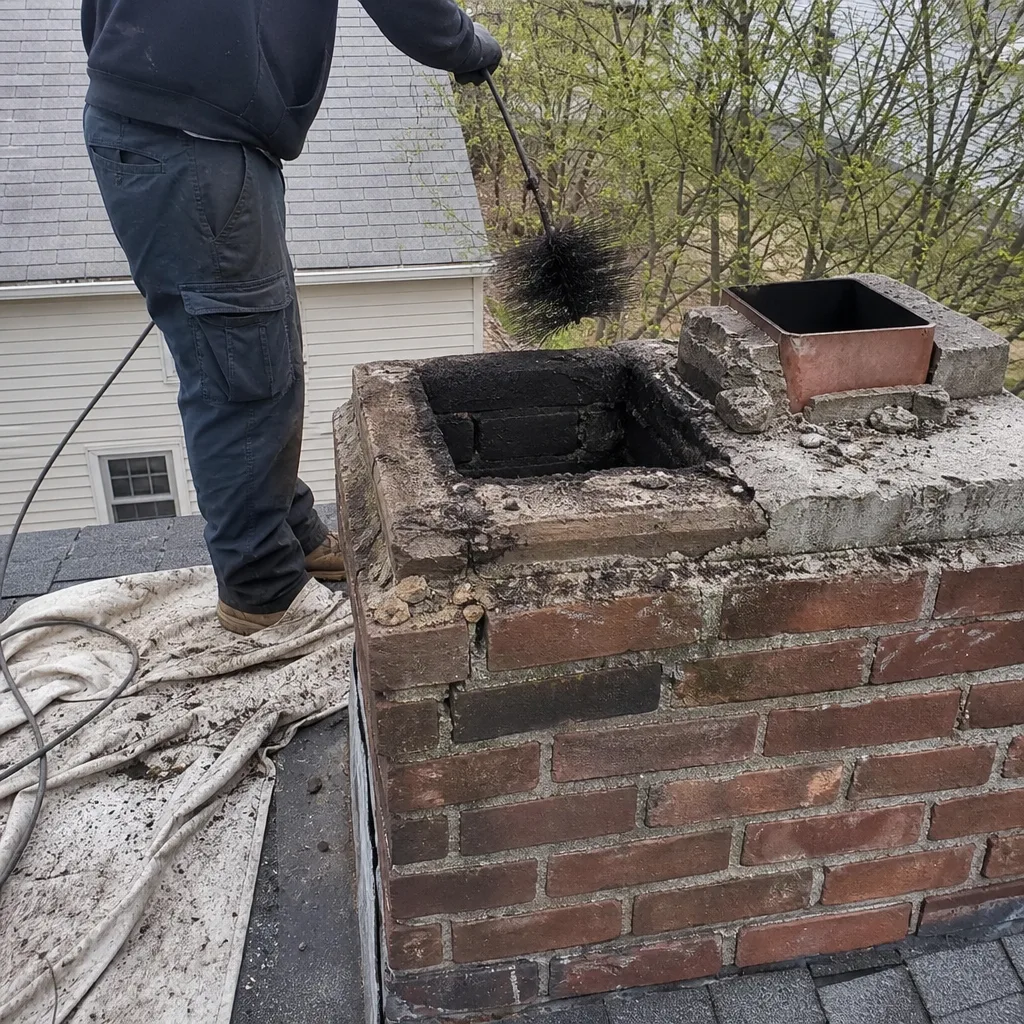 Before
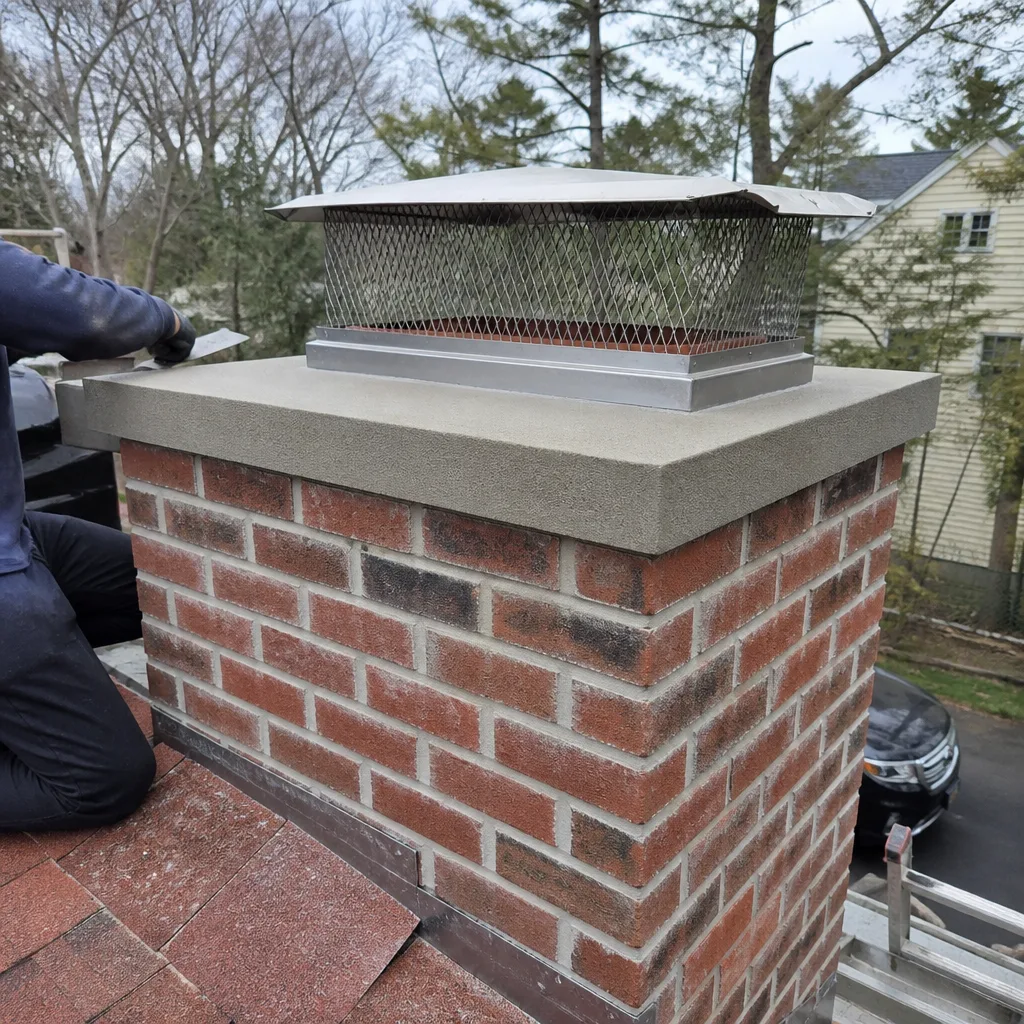 After
AfterChimney Cleaning Warning Signs: A Norwalk Homeowner’s Reference Guide
Most chimney problems announce themselves quietly. A faint smell on a humid afternoon. A few flakes of brick in the flower bed. A fire that smolders instead of drawing. In Norwalk, where salt air works on masonry year-round and winter winds drive rain sideways into crowns and caps, these small signals matter more than homeowners realize. The dramatic failures, the chimney fires and the smoke-filled living rooms, almost always trace back to signs that were visible months earlier. Learning to read them is the difference between a $200 sweeping and a $4,000 rebuild.
Quick Answer
The chimney warning signs that matter most in Norwalk are a smoky smell that appears on windy days, creosote flakes or black residue inside the firebox, exterior brick that shows white staining or flaking faces, rust on the damper or cap, and smoke that curls back into the room. If you notice dark, shiny, tar-like buildup on the flue walls, stop using the fireplace and call before your next fire. That is third-degree creosote, and it is the one sign that demands immediate attention.
Table of Contents
- The Smell Test: Three Different Odors, Three Different Problems
- What Your Smoke Is Telling You During a Fire
- Reading the Outside of Your Chimney From the Ground
- Interior Warning Signs Beyond the Firebox
- The One Sign That Means Stop Using Your Fireplace Immediately
- What Norwalk’s Climate Does to Chimneys That Other Places Don’t Face
- What a Professional Inspection Actually Covers
- Chimney Service Costs in Norwalk: What to Expect
- Common Mistakes to Avoid
- When to Call a Professional
- Frequently Asked Questions
- The Bottom Line
The Smell Test: Three Different Odors, Three Different Problems
A smoky odor in your living room on a windy day is the single most misunderstood warning sign in Norwalk homes. Most people assume it means the chimney needs sweeping. Sometimes it does. But just as often, that smell is pointing to a damper seal that has failed, which is a different job entirely, and confusing the two is how people end up paying for the wrong fix.
Here is the distinction that matters, and it comes down to which smell you are actually noticing.
Creosote odor. Creosote smells like a campfire that never quite aired out: sharp, acrid, a little oily. It gets stronger after rain, because moisture in the flue activates the creosote residue. If you smell this, the flue walls likely have buildup that needs to come out. A chimney cleaning in Norwalk is almost always the right first step, and in many cases the only step. First-degree creosote is a brush job. Catch it early and the problem ends there.
Animal intrusion smell. This one is different, and once you have smelled it, you don’t forget it. It is a musty, biological smell, like a damp nest or something that died. In Norwalk, squirrels and raccoons get into uncapped or damaged flues every fall. The smell usually concentrates near the firebox and gets worse on days when the air pressure drops. A sweeping is part of the fix, but so is removing the nest and installing a proper cap. Sweeping alone leaves the front door open.
Masonry moisture smell. This is the one that gets misdiagnosed most often. It reads as a cold, mineral, basement-like smell that comes and goes with the weather. It does not smell like smoke at all. What you are smelling is water-saturated brick and mortar inside the chimney chase or behind the walls. In Norwalk’s freeze-thaw climate, this is an early warning of spalling brick and interior water damage. The fix is not a sweeping. It is a crown repair or repointing job, sometimes a full chimney repair depending on how long the water has been getting in.
When we walk into a Norwalk home for a smell complaint, we ask one question before anything else: what does it smell like to you? Your answer tells us more than the firebox usually does.
What Your Smoke Is Telling You During a Fire
Your flue doesn’t care how the fire looks. It cares how it breathes. A healthy chimney draws air up and out. When it doesn’t, the smoke lingers, curls, or pushes back into the room, and each behavior points somewhere specific.
Smoke that curls lazily instead of rising. This usually means the flue is cold. Cold air sits in the chimney like a plug until the rising heat pushes it out. In Norwalk’s shoulder seasons, when outdoor temperatures hover in the 40s and 50s, this is common even in clean chimneys. Prime the flue by holding a lit roll of newspaper up near the open damper for thirty seconds before lighting the main fire. If that solves it, your chimney was never the problem.
Smoke that pushes back into the room, especially on gusts. Draft reversal is a chimney problem, but not always a cleaning problem. Backdrafting happens when air pressure inside the house is lower than outside, which is increasingly common in modern tight-construction Norwalk homes with new windows, fresh insulation, and sealed crawlspaces. The house is starving for air, so it pulls it down the chimney instead of letting smoke go up. Opening a nearby window an inch often fixes it. If it doesn’t, you are likely looking at an obstruction or an undersized flue.
Smoke that enters other rooms, not just the fireplace room. This is the sign of a serious airflow problem: a blocked flue, a closed or broken damper, or a chimney that is losing its draw to a competing exhaust appliance. If you run a kitchen exhaust fan or a clothes dryer and then notice smoke smell in other rooms, the house may be depressurized. In some cases the fix is a damper adjustment. In others it is a flue obstruction that needs a camera inspection to confirm.
Heavy gray or brown smoke outside the chimney, not white. White or light wisps are water vapor. Heavy brown or gray smoke means incomplete combustion, which leaves more creosote behind. It often points to wet or unseasoned wood, a smoldering fire that never got hot enough, or restricted airflow. In Norwalk, where oak is the dominant firewood and it needs a full year or two to season, burning green wood is the most common cause.
Watch your smoke for a few minutes the next time you build a fire. It’s talking to you. Most people just never learned what it says.
Reading the Outside of Your Chimney From the Ground
You can diagnose roughly half of Norwalk chimney problems without ever climbing a ladder or opening the firebox. These are the exterior cues we look for when we pull up to a house, and any homeowner can learn them in a season.
Efflorescence: the white, chalky staining. Efflorescence is mineral salt pushed to the surface of the brick as water wicks through masonry. It looks like white powder or blotchy white streaks. In one sense it’s cosmetic. In another, it’s a flashing sign that water is moving through your chimney in a way it was never designed to. In Norwalk’s coastal climate, we see it most on chimneys with damaged crowns, missing chimney caps, or cracked mortar joints that let in wind-driven rain. Occasional efflorescence after a wet winter may be harmless. Efflorescence that returns after cleaning means the water source is still there.
Spalling: flaking brick faces and brick chips on the ground. Spalling is the freeze-thaw disease. Water soaks into the brick, freezes, expands, and pops the face off. You’ll see brick fragments in the yard or on the roof. The brick faces themselves look scraped, pitted, or wedged off. In New England, spalling is the number one reason chimneys get rebuilt. It is slow, gradual, and completely preventable if the water entry points are sealed early. If you catch spalling at the first flake, repointing and crown work may stop it. Let it run for five more Norwalk winters and you’re looking at partial reconstruction.
Rust streaks running down the brick or flashing. Rust means metal is failing somewhere. It may be the cap. It may be the damper assembly. It may be the flashing at the roofline. Rust streaks on exterior brick tell you that a metal component is oxidized to the point of shedding. The metal itself is usually deeper inside, so what you see is the symptom, not the source. In Norwalk’s salt air, this happens faster than inland. A rust streak is worth a professional look even if the firebox looks fine.
Cracked or missing crown. The crown is the concrete slab that caps the chimney top. When it cracks, water gets into the chimney chase, soaks the interior brick, and does its work invisibly for years. From the ground, you may see a horizontal crack line at the top, or vegetation growing out of the crack. Either one means water entry. Vegetation, especially, is a five-alarm sign in Norwalk; by the time grass or small shrubs root in a crown crack, the masonry beneath has been wet for at least a full season.
Interior Warning Signs Beyond the Firebox
Your chimney is a structural column that passes through the middle of your house. When it fails, it fails in the rooms around it, not just inside the firebox. Homeowners often miss these signs because they’re looking in the wrong place.
Ceiling stains in rooms adjacent to the chimney. A brown or yellow water stain creeping across the ceiling near the chimney wall means water is traveling along the chimney chase and pooling at a joist or drywall seam. It may appear in a bedroom above the fireplace or in a hallway on the second floor. The stain may feel dry to the touch between rain events, but the water path is active. In Norwalk homes built before the 1990s, interior chimneys were often framed tight against the structure, so any masonry leak finds drywall quickly. Do not paint over it. Find the water entry first.
Wallpaper peeling or paint bubbling near the chimney wall. The same water that creates ceiling stains collects in wall cavities too. Peeling wallpaper or bubbling paint in a vertical line near the chimney is a moisture wicking signal. What you are seeing is the wallboard absorbing water that rode down the chimney exterior. Sometimes it reads as an intermittent damp smell. Sometimes it’s visible only when the house is humid. Either way, it is masonry water, not plumbing, unless there is a bathroom directly above.
Damper handle rust patterns. Open the damper and look at the handle. Even surface rust is normal in a coastal town. But flaking, scaling, or deep pitting rust means water has been running down the flue interior. That water carries creosote acids, which accelerate the corrosion. A damper that sticks, squeals, or no longer seals fully is telling you it has been wet too many times. Replacing a damper is a simple job. Replacing a rusted-out damper assembly inside a wet chimney usually means there are deeper repairs waiting behind it.
A cold draft coming from the fireplace when it’s not in use. A properly dampered fireplace should be sealed enough to hold back outdoor air. If you can feel cold air moving into the room from the fireplace opening on a Norwalk winter night, the damper is not seating. That costs you heat all season and pulls in moisture. In some homes, the fix is as simple as replacing the damper gasket. In others, especially older Norwalk colonials, the whole damper frame has warped and needs replacement. Either way, that draft is the same leak that lets your heated air escape every day of the year.
The One Sign That Means Stop Using Your Fireplace Immediately
There are warning signs you can watch for a week or two, and there is one that means stop now.
If you look inside your flue and see dark, shiny, tar-like buildup on the walls, that is third-degree glazed creosote, and it is the single most dangerous condition a chimney can develop. It is not soot. It is not normal. It is concentrated, hardened fuel baked onto the flue walls by repeated low-temperature fires.
Third-degree creosote burns like candle wax if it ignites, and chimney fires fueled by glazed creosote reach temperatures that crack flue tiles, warp metal liners, and can spread into the framing of the house. It can’t be brushed out with standard sweeping tools either. It requires mechanical removal or chemical treatment, and sometimes the flue liner has to be replaced.
The rule is simple. If the residue inside your flue looks shiny, wet, or glassy, close the damper, shut the doors on the firebox, and don’t build another fire until a professional has looked at it. In our experience across Norwalk, homeowners who catch glazed creosote before it ignites are looking at a few hundred dollars of cleaning. Homeowners who catch it after a chimney fire are often looking at liner work and masonry repair. The camera tells the difference. Always get the camera.
What Norwalk’s Climate Does to Chimneys That Other Places Don’t Face
Every region has its own chimney problems, and Norwalk has three that combine into a particular kind of wear.
Salt air. Norwalk sits on the Sound, and salt is always present. It accelerates rust on caps, flashing, and dampers, and it settles into masonry pores where it worsens the freeze-thaw spalling cycle. Chimneys within a mile or two of the water rust faster than the same build ten miles inland. This is why we recommend stainless steel caps over galvanized for coastal Norwalk homes. Galvanized lasts a few seasons in salt air. Stainless lasts decades.
Freeze-thaw cycles. Norwalk gets the full range: nights in the teens through winter, days in the 40s and 50s the same week. Every time water-soaked masonry freezes and thaws, the ice expands about nine percent. That expansion is what pops brick faces, cracks crowns, and opens mortar joints. The cycle counts matters. A chimney can handle a few dozen freezes. It cannot handle a few hundred without showing it.
Wind-driven rain. Norwalk gets winter storms that drive rain nearly sideways. A chimney cap that works fine in vertical rain can fail in a December nor’easter. We see water entry on the leeward side of chimneys all the time. The crown looks intact, the cap looks in place, but the storm angle forced water into a joint that only leaks under wind pressure. This is why an annual inspection matters here. It’s not paranoia. It’s the climate.
Top Hat Chimney has been reading Norwalk chimneys since 1999, and the patterns don’t change much year to year. The houses shift. The methods improve. The weather keeps doing what it does.
What a Professional Inspection Actually Covers
A good chimney inspection in Norwalk is not a glance at the firebox and a reassuring handshake. It is a systematic review of the entire chimney system from the cap to the cleanout door. Here is the process as we run it, step by step.
- Ground-level exterior review. We start outside, looking at the chimney from all four sides where possible: crown condition, cap condition, brick faces, mortar joints, flashing at the roofline, and any visible rust. We are looking for the exact warning signs covered above, because they tell us where to focus the rest of the inspection.
- Roof or ladder access. When the chimney is accessible, we get to the crown and cap for a close look. Cracks in the crown under two inches can be sealed. Anything wider suggests replacement. The cap gets checked for rust, mesh damage, and proper sizing.
- Firebox and damper inspection. Inside, we check the firebox brick and mortar, the damper seat and operation, and the smoke shelf. This is also where we check for animal entry signs, water staining, and creosote type.
- Flue inspection by camera. This is the step that many homeowners have never seen done, but it is the one that catches the problems you cannot see from either end. A camera run down the flue reveals cracked flue tiles, separated joints, hidden creosote buildup, and liner damage. In Norwalk, where homes range from 18th century timber frames to 1990s production builds, the flue condition varies more than most places.
- Written findings and plain-English verdict. You get the camera footage and a plain-English verdict, every time, no exceptions. If the chimney needs work, you will see it for yourself. If it does not need work, we will tell you that too. Nothing gets recommended without video evidence you can watch with your own eyes.
That last step is the one that matters. Too many Norwalk homeowners have been sold liner replacements they did not need by companies that showed them a photo of someone else’s flue. Ask anyone on your street. The honest answer is always the same: no camera, no credibility.
Chimney Service Costs in Norwalk: What to Expect
Chimney service pricing in Norwalk is not a mystery, but it does vary by what the inspection turns up. Here are realistic ranges as of 2025, based on what we charge and what the local market supports.
- Standard chimney sweeping: $180 to $300 depending on flue size, creosote type, and access difficulty. First-degree creosote in a standard masonry chimney trends toward the low end. Third-degree glazed creosote doubles the labor.
- Level 2 inspection with camera: $250 to $400. This is the inspection you need when buying a home, after a chimney fire, or when symptoms suggest hidden damage. It includes the full camera run and written findings.
- Chimney cap replacement: $250 to $650 installed depending on material and flue size. Stainless runs higher than galvanized and is worth it near the Sound.
- Crown repair: $300 to $800 for sealing and minor rebuilding. A full crown recast runs $1,200 to $2,500 depending on chimney size and access.
- Damper replacement: $250 to $600 for most residential dampers. Custom sizes or full-frame replacements run higher.
- Flue liner installation: $1,800 to $5,500 depending on liner type and chimney height. This is the big one, and it is exactly why we insist on camera evidence before recommending it. DuraFlex and HeatShield liners both work well, but the right choice depends on the existing flue condition and the appliance you’re venting.
Every chimney cleaning we perform includes a basic inspection as part of the visit. The price is quoted before the first tool comes off the truck, and the number you hear on the phone is the number on the invoice. If you have a written estimate from another company, bring it in. We give a free second opinion on any competing written estimate, and $40 off any repair over $200. Seniors and veterans always get 10% off, no expiration.
Keeping the Fireplace Itself Working Right
The chimney is only half the system. The fireplace below it has its own warning signs, and in Norwalk they often show up together.
Fireplace doors that fog, soot up, or won’t seal. Fogged glass usually means the fire is burning too cool, leaving combustion byproducts on the glass. Persistent soot on the door glass can indicate the same low-temperature fire that produces creosote in the flue. Doors that no longer seal tightly let room air into the firebox, which cools the fire further and worsens both problems.
Gaps appearing between the firebox and the hearth. Houses move. Norwalk’s seasonal humidity swings shrink and swell wood framing, and masonry shifts with temperature. Small gaps between the firebox and the hearth are usually settlement. Larger ones can mean the firebox is separating from the surrounding structure. If the gap changes from season to season, have it looked at.
Weak or inconsistent draft after decades of good performance. A fireplace that has always drawn well and suddenly doesn’t is trying to tell you something changed. It may be an animal nest. It may be a damper failure. It may be a new bathroom fan or kitchen hood installed over the summer that is now competing for air. We see this pattern often in Norwalk homes after renovation projects. The new exhaust fan changed the house’s air balance, and the fireplace is the first to feel it.
For a full fireplace service evaluation, the inspection covers the firebox, refractory panels, gas line where applicable, and the hearth seal. It is worth doing on the same visit as the chimney work because the two systems fail together more often than not.
Common Mistakes to Avoid
- Calling a roofer for a chimney leak. We see this one all over Norwalk. A roofer diagnoses the flashing, repairs it, and the leak continues because the water was really entering through a cracked crown. Roofers know roofs. Chimney companies know chimneys. They are different crafts.
- Painting over ceiling stains without finding the water source. The stain comes back. Always. Find the entry point first, fix it, then paint. Painting first just gives the water a fresh white surface to stain.
- Burning green wood because it was cheap or free. Green wood burns cold and dirty. It is the number one cause of creosote buildup in Norwalk fireplaces. Season oak at least one full year, ideally two. Stack it off the ground, cover the top only, and let the wind move through it.
- Assuming the previous owner maintained the chimney. Most don’t. Most homes in Norwalk that we inspect for the first time have years, sometimes decades, of deferred maintenance waiting. Assume nothing until the camera has been run.
- Trusting a phone quote from someone who hasn’t seen the chimney. A national call center can quote you a number, but the sweep who shows up will probably charge a different one once he sees the flue. We quote before work begins, in person, after looking at the actual chimney. The number is the number.
- Skipping the cap because “it’s been fine for 30 years.” The cap is the cheapest insurance on the whole chimney. Every uncapped flue in Norwalk is a vacancy sign for raccoons and a funnel for rain. If yours is missing or rusted, every other repair you do is temporary.
- Doing the “burn hot to clean it” trick with a creosote problem. Burning a very hot fire does not clean glazed creosote. It risks igniting it. If you suspect third-degree creosote, do not experiment with hotter fires. Stop and call.
When to Call a Professional
Some chimney issues can be watched and managed. These cannot. Call a professional if you see shiny or tar-like creosote inside the flue, if smoke has ever pushed into the living space during a fire, if you find brick flakes accumulating at the base of the chimney, if you smell animal matter or see nesting debris in the firebox, or if water stains appear near the chimney after a storm.
A standard chimney sweeping is an every-year job, burn or no burn. Chimneys break in the off-season too. Top Hat Chimney offers free estimates in Norwalk and no trip charge inside the county. Call (475) 375-2748 and you’ll speak to a live person, not a voicemail box. It may well be Wendell himself picking up.
Frequently Asked Questions
Look for creosote buildup that is more than a light dusting, a smoky smell that returns after a few fires, or fires that struggle to draw properly. The most reliable check is a camera inspection, which shows you exactly what is on the flue walls. A standard masonry chimney in Norwalk should be swept after every cord of wood burned, or at minimum once a year.
Creosote smells like a sharp, oily campfire that never aired out, and it gets stronger in humid weather. In its first and second stages it is mostly a maintenance issue. In its third, glazed stage it is a serious fire hazard that requires professional removal before the next fire.
Summer chimney smells are usually humidity-activated. Moisture in the air reactivates creosote residue on the flue walls, which pushes the odor into the house. Animal nests and organic debris in the flue also smell worse in warm weather. A good sweeping and a functioning cap solve most summer smell problems.
Yes, if water is already getting in. A single Norwalk winter with thirty freeze-thaw cycles can take a hairline crown crack and open it into a finger-width gap. The damage itself builds over years, but the acceleration happens in winter. This is why fall inspections matter more than spring ones in this town.
A standard sweeping takes sixty to ninety minutes from setup to final vacuum. If the creosote is glazed or an animal nest needs removal, add time. If the visit includes a full camera inspection, plan for a two-hour window. We give you a real arrival window and call if it slips.
In Norwalk, expect to pay $180 to $300 for a standard sweeping, with glazed creosote or difficult access pushing toward the upper end and beyond. Always confirm whether the quote includes the inspection, and always get the price in writing before work starts. Top Hat Chimney quotes upfront, before any tool comes off the truck. Call (475) 375-2748 for an exact quote. Estimates are free.
The Bottom Line
Chimney problems in Norwalk reward the observant. The signs are there months before anything dangerous happens: a smell that doesn’t match what you expected, smoke that behaves oddly during a fire, brick that is flaking or staining, rust where rust should not be. Learn to read them, and your chimney costs stay small. Ignore them, and they compound. Once a year, burn or no burn, get it looked at by someone who will show you the camera footage and explain it in plain English. That is what we have been doing since 1999, and it is why Norwalk homeowners call us when something doesn’t seem right.
If anything in this guide sounds familiar, call (475) 375-2748 for a free estimate. Wendell and his crew will be there when they say they will, with a live person on the phone and a written price before the first tool comes off the truck.
Written by Wendell Pike, Owner at Top Hat Chimney, serving Norwalk since 1999.