
Last updated September 10, 2026
Level 1 sweep and inspection to the NFPA 211 annual standard - flue, crown, cap, and flashing checked and photographed
Chimney sweep logs do not sweep chimneys. They loosen some creosote - which then falls where a brush and vacuum still have to collect it.
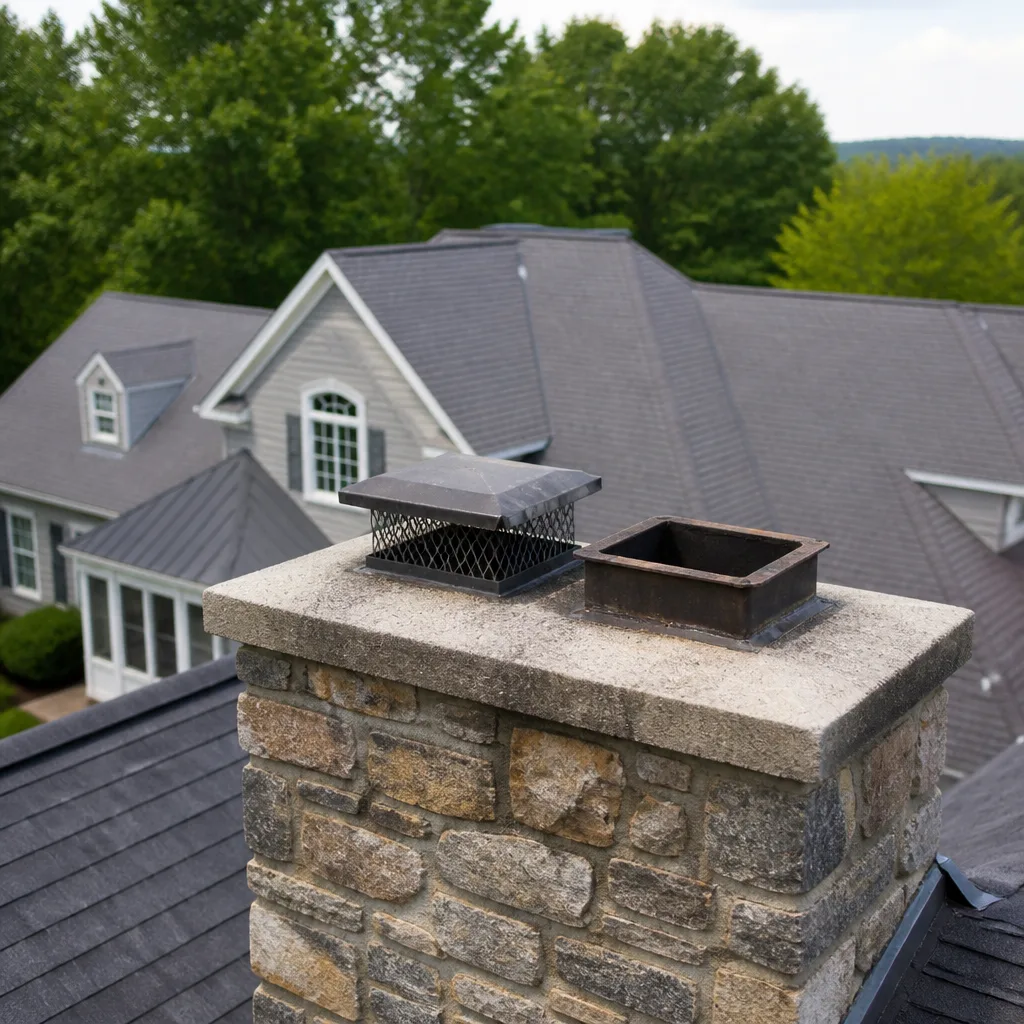
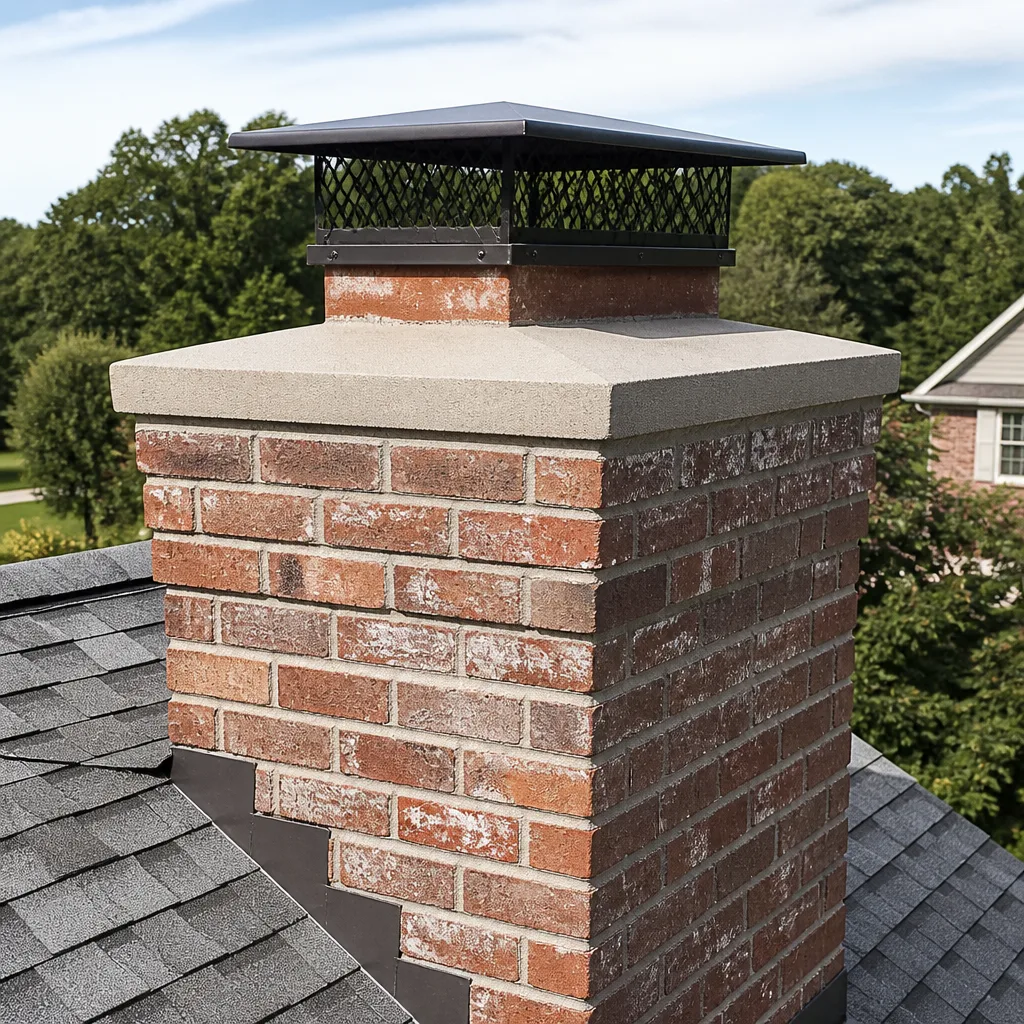
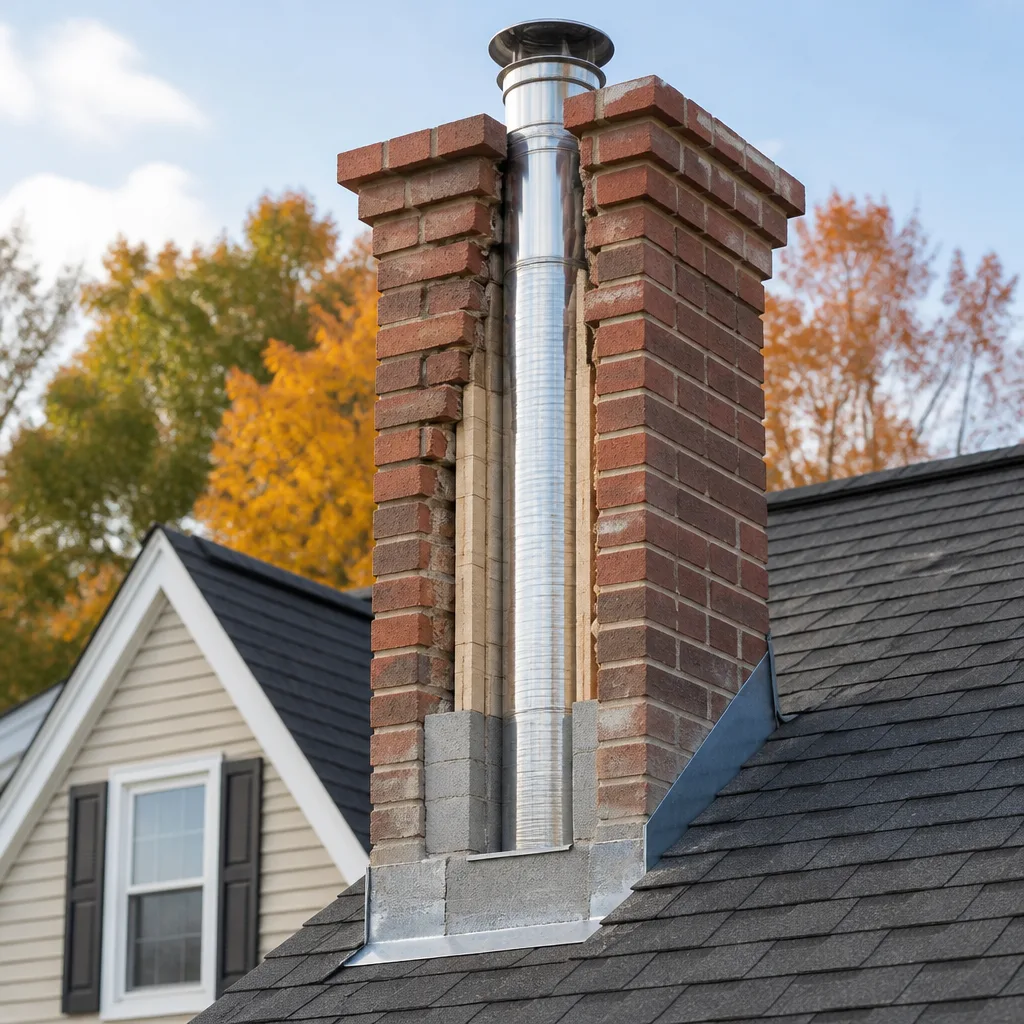
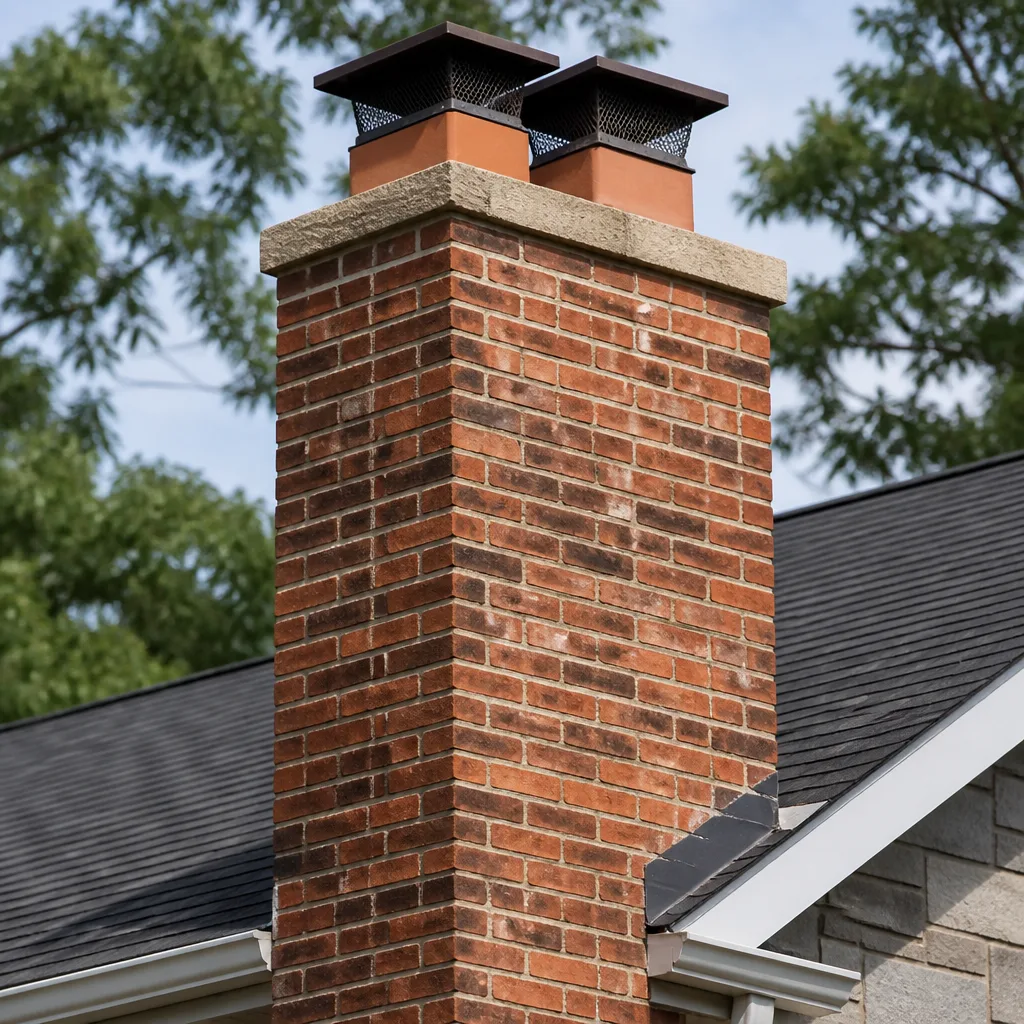
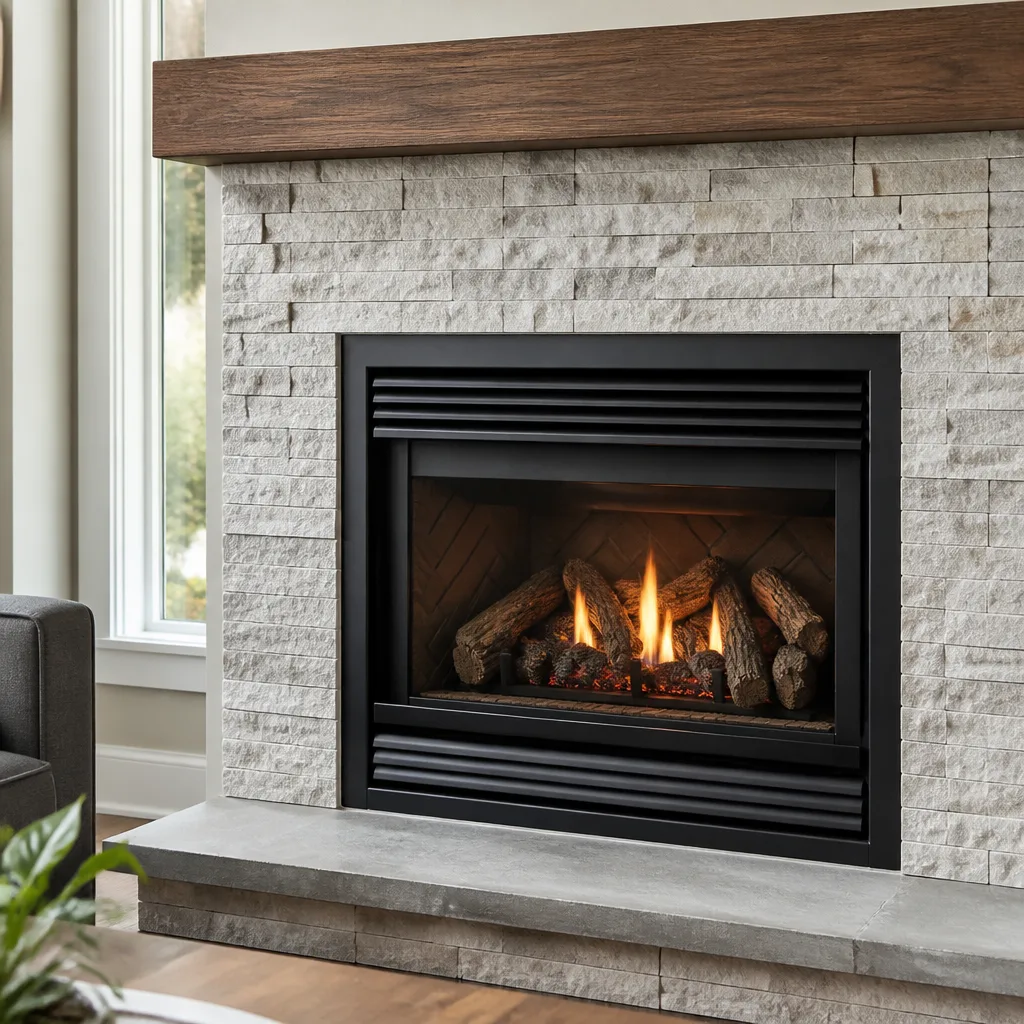
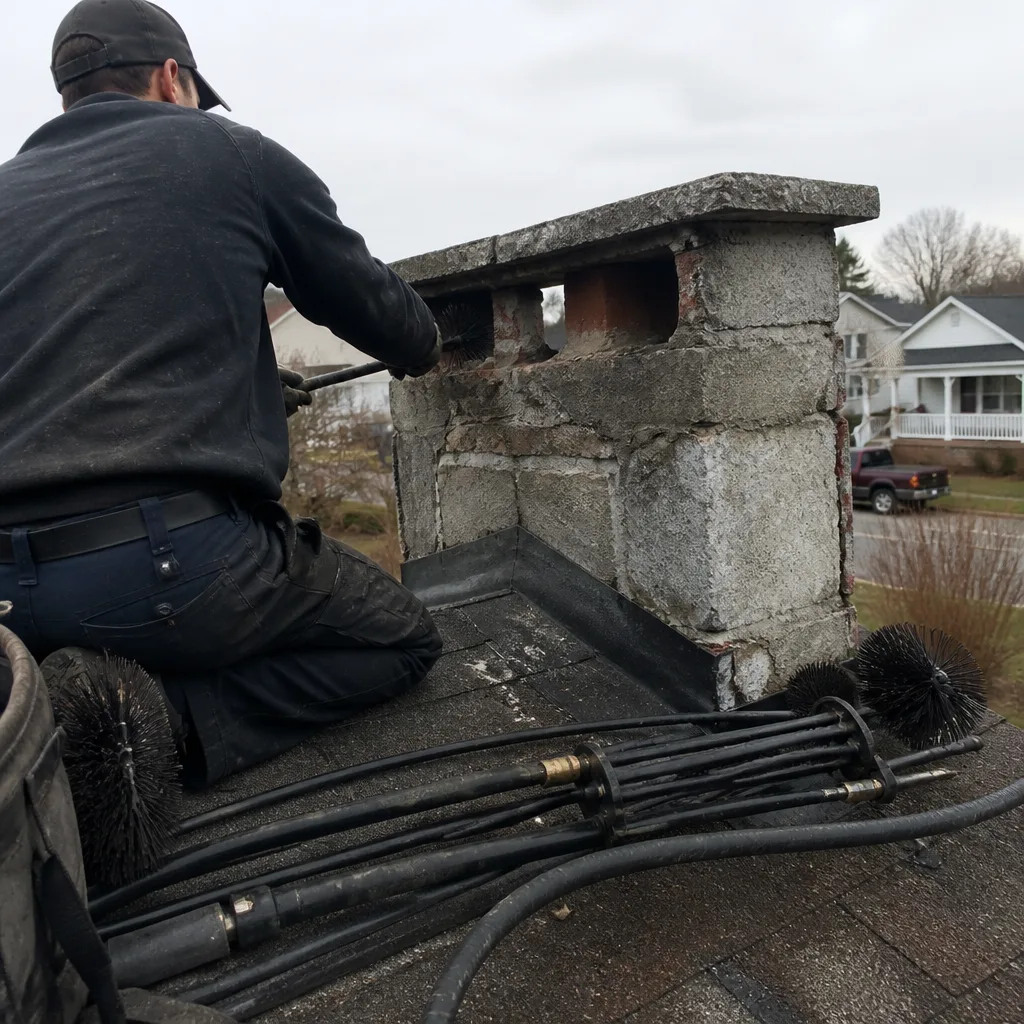 Before
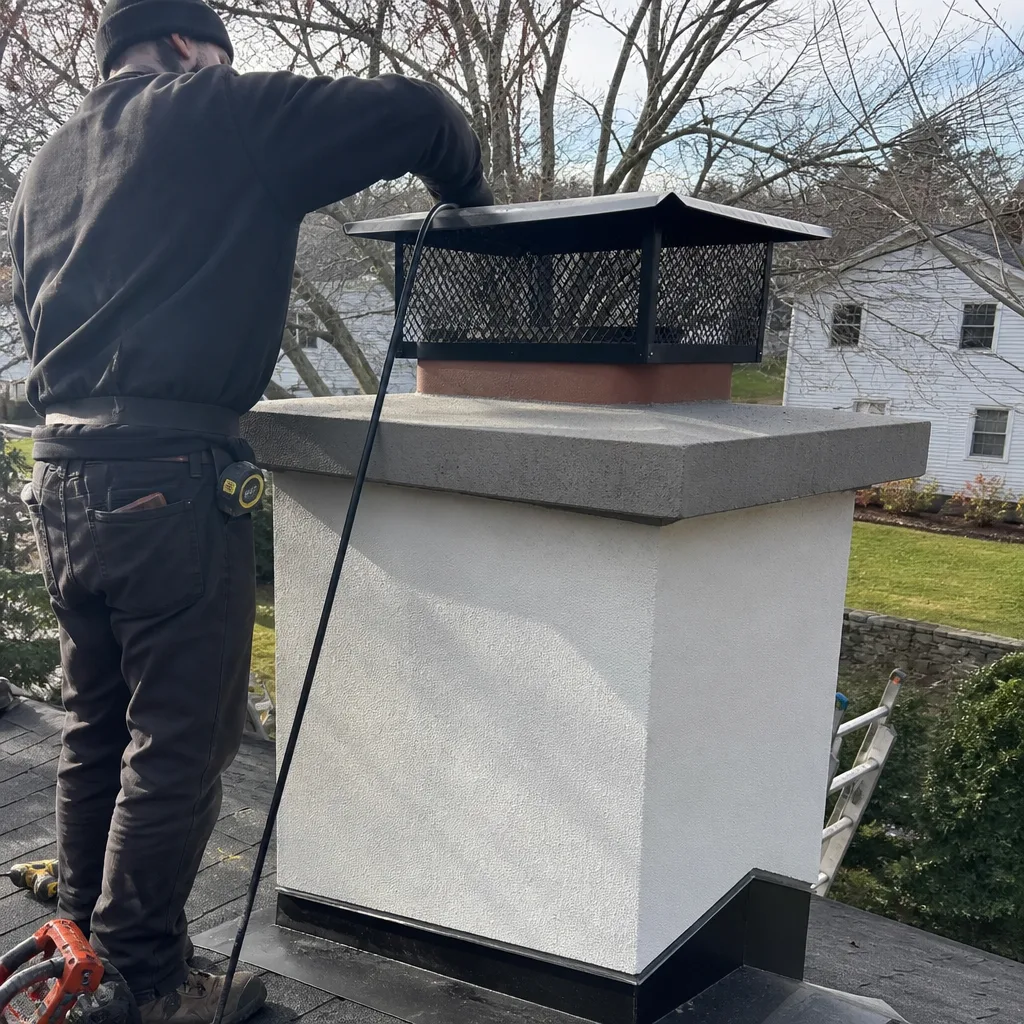 After
After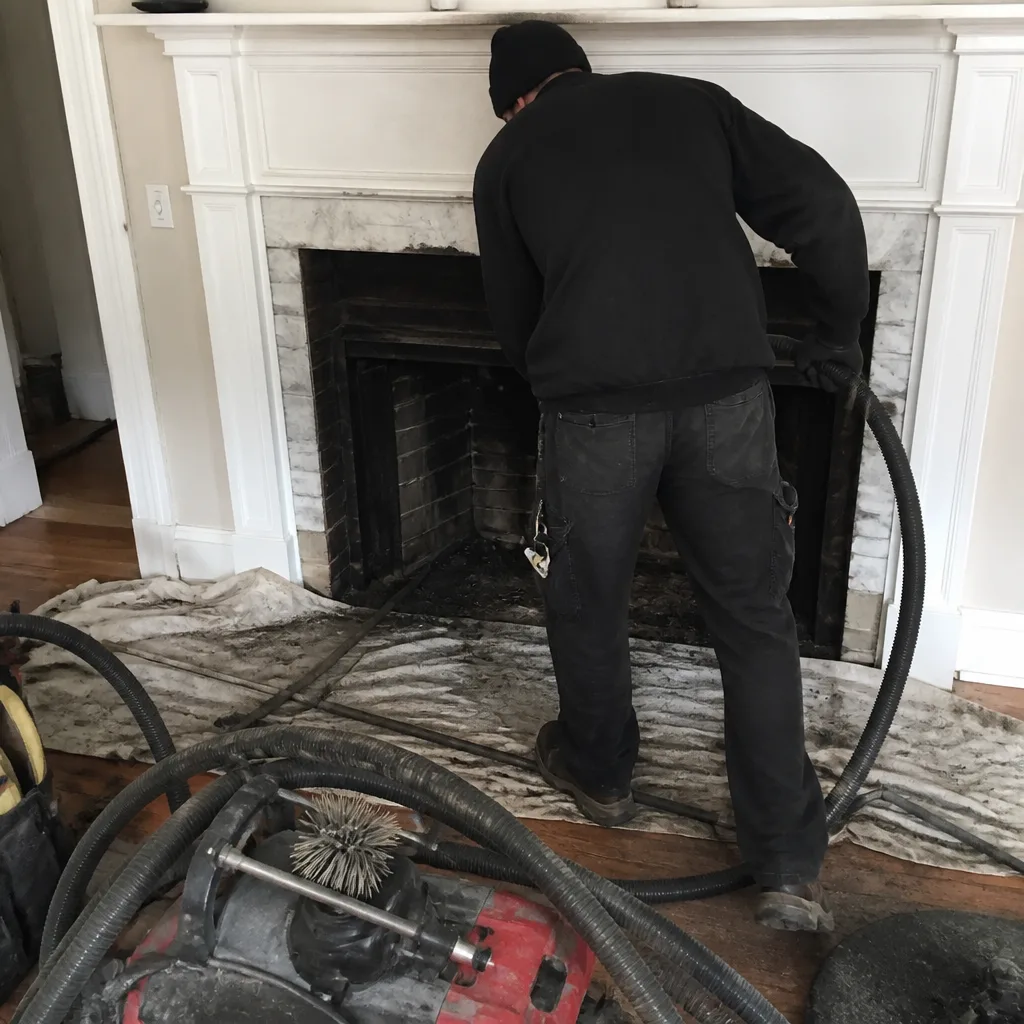 Before
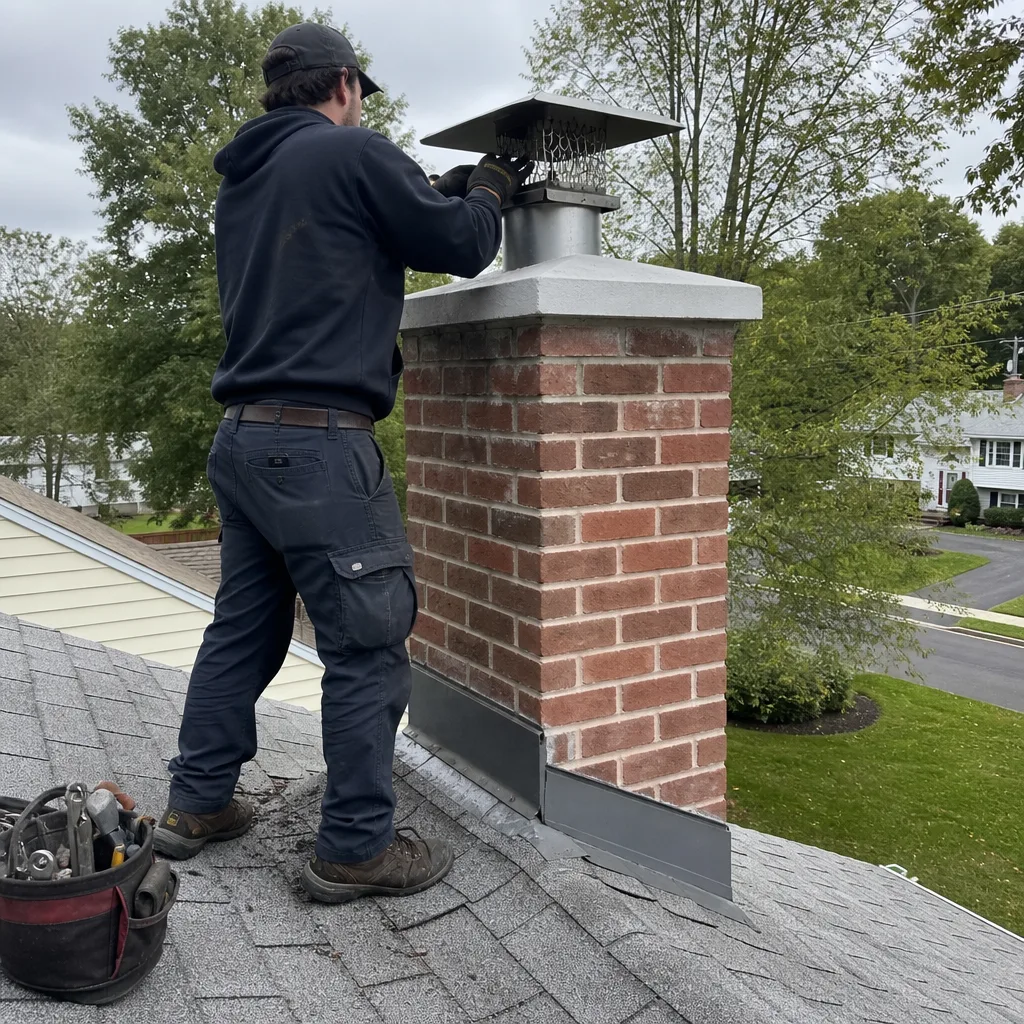 After
After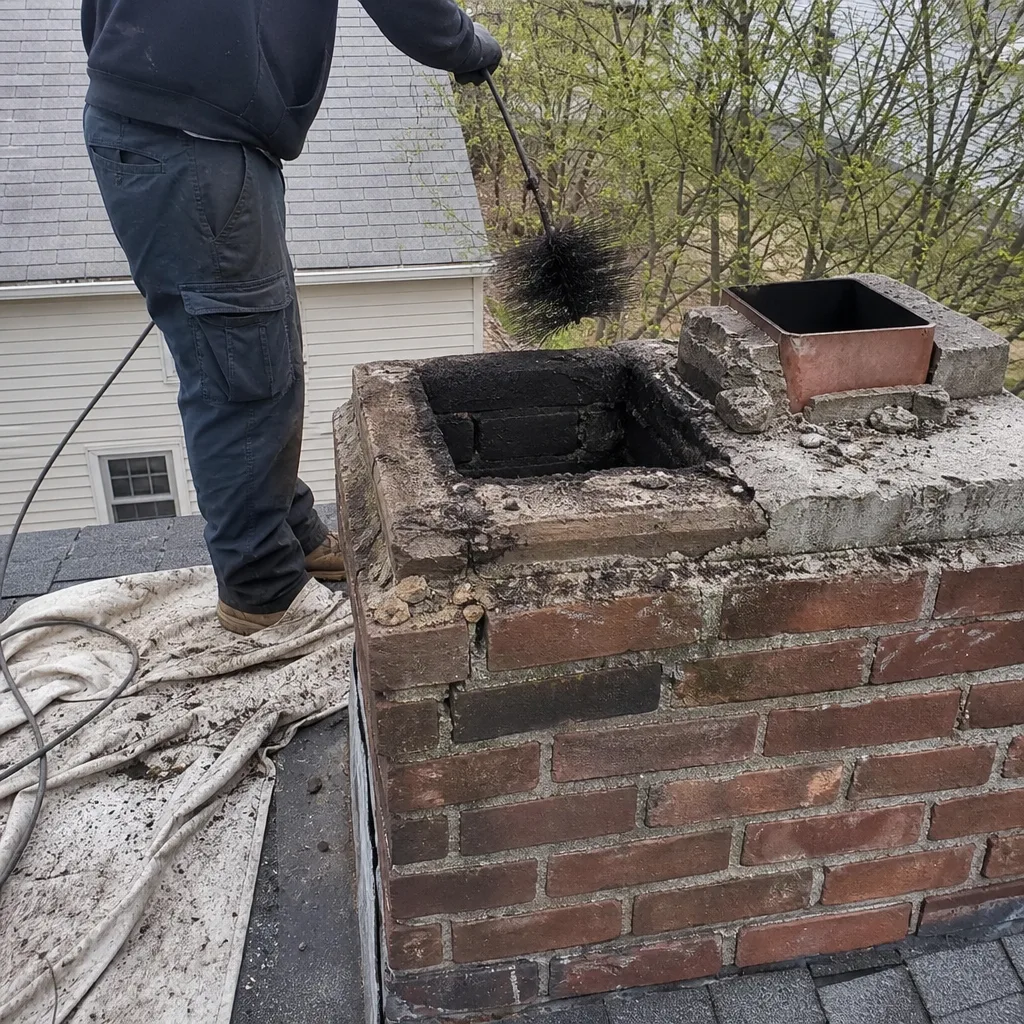 Before
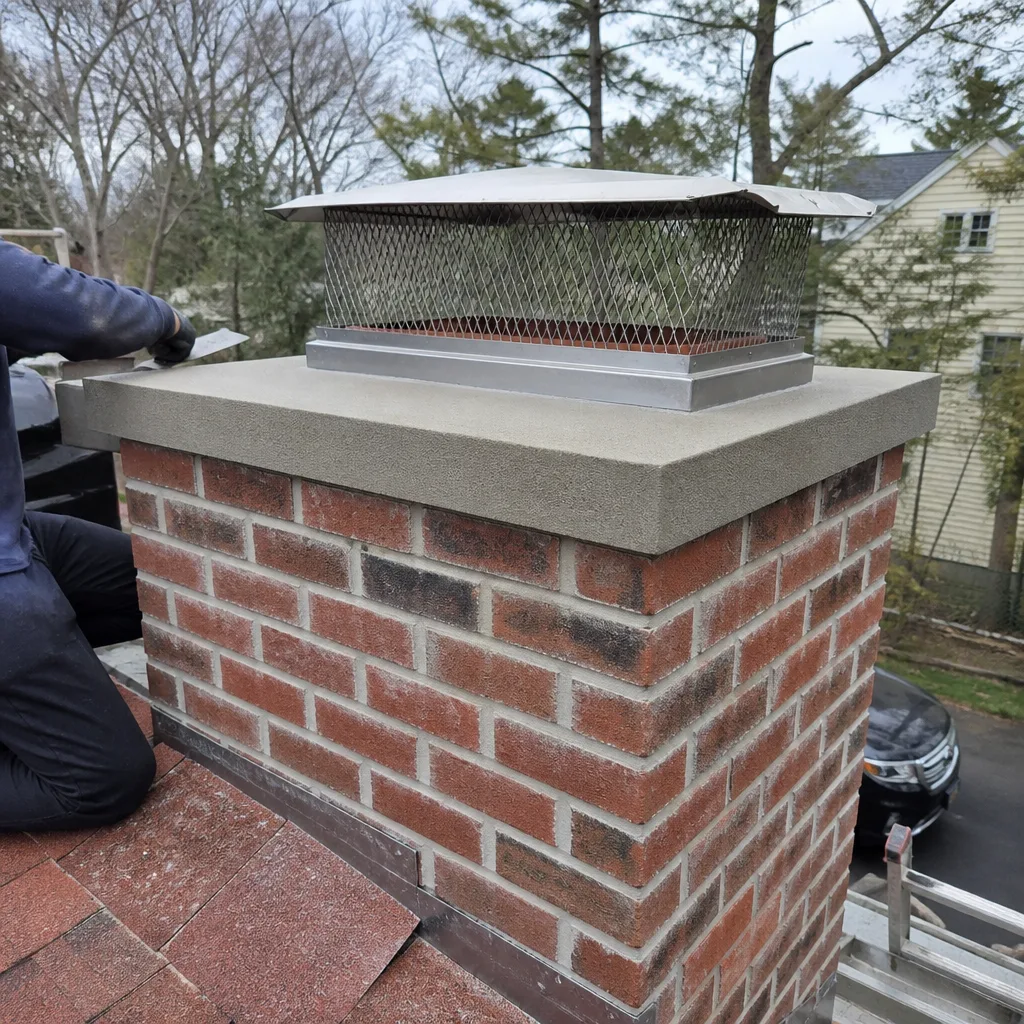 After
AfterDIY vs Professional Chimney Cleaning: The Norwalk Homeowner’s Decision Guide
Here’s a number that should make any Norwalk homeowner pause: according to the National Fire Protection Association, the leading cause of home heating fires is failure to clean chimneys. Not faulty furnaces. Not bad wiring. Just creosote, sitting in a flue, waiting for a hot enough fire. Most people assume a chimney fire will announce itself with flames shooting out the top. In reality, the dangerous ones sound like a freight train rumbling behind the wall, and by the time you hear it, the damage is done. This guide will walk you through exactly what you can handle with a brush from the hardware store, what you genuinely can’t see from the bottom looking up, and how to know which side of that line you’re standing on. For more guides & resources, see our blog.
Quick Answer
You can absolutely sweep your own chimney if you have a gas fireplace with minimal use, a straight flue, and the right brush. But for a wood-burning fireplace in regular use, DIY brushing removes only the loose, first-stage creosote you can see. The hardened, second-stage glazing that actually causes chimney fires requires a professional eye, professional tools, and a camera to know it’s there in the first place. If you burn wood more than a dozen times a year, hire a sweep.
Table of Contents
- What DIY Chimney Brushing Actually Accomplishes
- The Three Stages of Creosote: How to Know What You’re Dealing With
- Fuel Source Matters: Wood, Gas, Pellet, and Oil
- The Real Equipment, Time, and Mess of a DIY Job
- What You Can’t See From the Bottom Looking Up
- The Paperwork Angle: Insurance and Documentation
- What Norwalk Homeowners Specifically Deal With
- DIY Cost vs Professional Cost: The Real Math
What DIY Chimney Brushing Actually Accomplishes
Let’s be honest about what a $50 chimney sweep kit from the hardware store can and cannot do. The kit typically includes a wire brush, a set of fiberglass rods that screw together, and maybe a tarp. It works on one principle: friction. You push the brush up the flue, pull it down, repeat, and loose soot falls into the firebox. For a first-stage creosote situation, which is a flaky, dusty, dark-brown film, this genuinely works. In our experience, a homeowner with a straight flue and a gas fireplace that sees ten fires a year can do a perfectly adequate job keeping things clear.
Here’s what the kit does not do:
- It doesn’t reach the smoke shelf. Above your firebox, there’s a flat ledge designed to catch debris. Soot and creosote collect there, and a standard brush often skips right past it.
- It doesn’t clean the cap and screen. That’s a ladder job on the roof. Most DIY brushings never touch the cap, which is where birds nest and spark arrestors clog.
- It doesn’t tell you if you missed anything. You’re working blind. No camera, no mirror, just feel. When we inspect a flue after a homeowner has swept it, we usually find 30-40% of the interior still coated.
- It doesn’t remove glazed creosote. Nothing you can buy at a hardware store removes stage-two creosote. That takes rotary chains or chemical treatments applied by someone who knows how to use them.
None of this is meant to discourage you. If your flue is straight, your fires are occasional, and you’re comfortable on a ladder, DIY brushing keeps the worst of the buildup at bay. But be clear about what you’re signing up for: you’re doing partial maintenance, not a full cleaning. A partial job between professional cleanings is smart. A partial job instead of professional cleanings, year after year, is how chimney fires start in Norwalk houses that look perfectly fine from the outside.
The Three Stages of Creosote: How to Know What You’re Dealing With
Creosote is the residue left when wood smoke cools and condenses on the inside of your flue. It’s not one substance. It’s three distinct forms, and knowing which one you have changes everything about the DIY conversation.
Stage one: the brush job. This is a dusty, flaky film, brown or grey, that brushes off with modest effort. It forms when fires burn hot and the flue stays warm. If you scratch your flue with a poker and get a puff of dust, this is what you have. A hardware store brush handles it fine.
Stage two: the glaze. This is where things get serious. Stage-two creosote looks like black tar, often shiny, and it forms when fires burn cooler or when you burn unseasoned wood. It does not brush off. It has to be scraped with rotary tools or chemically treated and then removed. Here’s the important part: stage-two creosote is extremely flammable. It ignites at around 2,000 degrees Fahrenheit, which your firebox reaches easily. A hot fire in a stage-two flue is a chimney fire waiting to happen.
Stage three: the hard glaze. This is stage two that’s been through multiple heating cycles. It’s thick, rock-hard, and often looks like black glass. It requires rotary cleaning heads, sometimes chemical treatments over multiple visits, and occasionally a liner replacement if it’s been ignored long enough. No DIY approach touches it.
How do you know which stage you have without a professional? You can do a rough check: shine a flashlight up from the firebox, with the damper open, and look at the first few feet. If it’s dusty and flaky, that’s stage one. If it’s shiny, sticky, or glassy in patches, that’s stage two or three, and that’s a professional job. In our experience, Norwalk homeowners who burn wood regularly, especially if they burn store-bought firewood of unknown seasoning, are usually looking at stage two by late winter. Your flue doesn’t care how the fire looks. It cares how it breathes.
Fuel Source Matters: Wood, Gas, Pellet, and Oil
The DIY question changes completely depending on what you burn. Let’s run through the four fuel types we see most in Norwalk and Fairfield County.
Wood. This is the highest-risk fuel for creosote formation, and it’s where professional cleaning has the clearest safety justification. Wood smoke condenses quickly, especially in exterior chimneys that run up the outside wall of the house, which are common in older Norwalk homes. The flue cools faster, creosote forms faster. If you burn wood more than a dozen times a year, you’re in professional territory. End of story.
Gas. Here’s the honest answer: gas fireplaces and gas inserts produce no creosote. They can still develop blockages - birds, wasps, debris, a deteriorated liner - but the soot is light, and a competent homeowner can usually handle basic maintenance if the unit is direct-vent and easily accessible. Our advice for gas is this: you can skip the annual brushing if you burn gas only, but you should still have a professional inspection every two to three years. The things that go wrong with gas flues are the things you can’t see.
Pellet stoves. Pellet stoves burn cleaner than cord wood, but they produce a fine, sticky ash that clings to venting pipes. The venting is often horizontal or through a wall, which makes access awkward. This is a judgment call. If you’re handy and your venting is accessible, DIY cleaning with the proper pellet vent brush is reasonable. If the venting runs through an enclosed chase or runs more than ten feet, call a pro.
Oil. Oil furnaces vent hot, sooty exhaust that can clog flues quickly and cause soot blowback into the house. Oil flue cleaning is messy, specialized, and usually involves a barometric damper. We tell people plainly: oil flues are not a DIY job. The soot is sticky, it gets everywhere, and a partially cleaned oil flue is more dangerous than one that’s been left alone, because it gives you false confidence.
One more note on fuel: what you burn matters as much as what you burn it in. In our experience, Norwalk homeowners who buy firewood from gas stations or big-box stores are often burning wood that’s only been seasoned six months, not the twelve to eighteen months it actually needs. Green wood burns cool, produces more smoke, and creates stage-two creosote faster than anything else. First-degree creosote is a brush job. Third-degree is a glaze. Catch it early.
The Real Equipment, Time, and Mess of a DIY Job
No sugarcoating here. If you’re going to DIY your chimney cleaning, here’s what it actually takes.
Equipment you’ll need:
- A chimney brush sized to your flue (6-inch, 8-inch, or 10-inch; if you guess wrong, you’ll either jam it or miss the walls)
- Fiberglass connecting rods, enough to reach the full flue height (most Norwalk chimneys are 20 to 30 feet, so that’s 6 to 10 rods)
- A drop cloth or tarp that covers the entire hearth, plus plastic sheeting if your fireplace is in a finished room
- A dust mask, eye protection, and gloves (soot is an irritant, and creosote dust is toxic)
- A shop vac with a fine-dust filter (your household vacuum will not survive this)
- A ladder, if your cap or crown needs attention, and a headlamp or work light
Time: A first-timer should budget two to three hours. That includes setup, the brushing itself, cleaning the firebox, and cleaning the room afterward because, no matter how careful you are, soot gets out. An experienced homeowner can do it in about an hour. A professional crew does it in 45 minutes and leaves no trace, because they do it every day.
Mess: This is the part nobody warns you about. A chimney brush dislodges soot, which means it falls into the firebox. A lot of it. If your tarp isn’t sealed tight, the fine dust settles on furniture, rugs, and curtains. Soot is alkaline. It stains fabric. It takes a specialty cleaner to get out of carpet. If you’re cleaning your chimney in a living room with white furniture, think hard about whether you want to be the one doing this.
The honest verdict from someone who has watched hundreds of homeowners try this: the mechanics of brushing are simple. Ten-year-olds can do the physical motion. The difference between a homeowner and a professional is not the brush. It’s the containment, the inspection before and after, and knowing what the soot is telling you. The brush is the easy part.
What You Can’t See From the Bottom Looking Up
Here’s the core of the DIY problem, and it’s the reason we do what we do: the most dangerous parts of a chimney are invisible from below. You can shine a flashlight up your flue and see maybe four to six feet. Everything above that, the upper two-thirds of your chimney, is a mystery. That means you cannot check for:
- Cracked flue tiles. When a flue tile cracks, the gap exposes the brick around it to heat and creosote. A cracked tile is a house fire waiting to happen. You cannot see this without a camera.
- Separated mortar joints. Over time, the mortar between flue tiles erodes. Gaps open up. Heat and gas escape into the chimney cavity. This is invisible from below.
- Hidden creosote pockets. Creosote doesn’t coat the flue evenly. It builds up in corners, behind the damper, on the smoke shelf. A brush may miss these entirely while making the flue look clean.
- Liner deterioration. Older Norwalk homes often have clay tile liners that are 40 to 60 years old. Clay liners crack. They deteriorate. And when they fail, you’re looking at a liner replacement, not a cleaning.
- Animal nests. Squirrels, birds, and raccoons love chimneys. A nest mid-flue blocks airflow and becomes a fire hazard. You might not know it’s there until smoke backs up into your living room.
At Top Hat Chimney, every cleaning includes a camera inspection. Not as an add-on, not as an upsell. It’s standard, because the camera footage and a plain-English verdict, every time, with no exceptions, is the only way we can tell you honestly whether your chimney is safe. The sweep who shows up at your door will show you the footage on the spot. If the chimney is clean, you’ll see it. If it’s not, you’ll see that too, and you’ll decide what to do next with actual information in front of you. That’s the difference between trusting a brush and trusting your own eyes.
The Paperwork Angle: Insurance and Documentation
This is the thing almost no DIY guide mentions, and it matters more than most homeowners realize. A professional chimney cleaning produces documentation. A DIY cleaning produces nothing. Here’s when that paperwork matters:
When you file an insurance claim. If you have a chimney fire, your insurance company will ask when the chimney was last cleaned and by whom. If the answer is “I did it myself,” you’re in a gray area. If the answer is “Here’s the invoice and inspection report from a licensed sweep,” your claim proceeds without question. In our experience, some insurers specifically require professional cleaning documentation for wood-burning fireplaces. And in a market like Norwalk, where many homes are 50 to 100 years old, insurance companies are paying close attention.
When you sell your home. Home inspectors in Connecticut consistently flag chimneys that haven’t been professionally maintained. A stack of professional cleaning records is a selling point. A homeowner’s assurance that they swept it themselves is not.
When you rent. If you’re a landlord in Norwalk, Connecticut law requires you to maintain heating systems in safe working condition. A professional chimney cleaning record is your defense if a tenant reports a problem or, worse, if something goes wrong.
The paperwork is not the main reason to hire a sweep. Safety is. But it’s a real, concrete difference that a DIY approach can never match. And it’s the kind of thing that doesn’t cost anything extra, because it comes with the service.
What Norwalk Homeowners Specifically Deal With
Chimneys are not one-size-fits-all, and Norwalk has its own specific factors that shape the DIY calculation. If you live in one of the older neighborhoods, like Rowayton, Silvermine, or the areas around Wall Street and South Norwalk, your chimney was likely built with clay tile liners and has been in service for 40 to 70 years. Clay liners have a lifespan. When they crack, they need attention, and that’s a professional finding, not a DIY discovery.
Norwalk sits right on Long Island Sound, and that coastal air does things to masonry. Salt, moisture, and freeze-thaw cycles work on chimney crowns and brickwork year-round. A chimney that’s structurally compromised isn’t just a cleaning problem; it’s a repair issue, and the earlier it’s caught, the cheaper it is to fix. We regularly see crowns with hairline cracks in Norwalk that have been letting water in for years, and the homeowner had no idea because the damage was above eye level.
Norwalk winters are also specific. We get stretches of real cold, then a thaw, then cold again. Exterior chimneys, which run up the outside of the house, never stay warm during the burning cycle, so creosote forms faster. In Norwalk, the exterior chimney is the norm, especially in colonials and capes built in the 1950s and 1960s. That means faster creosote buildup, which means the annual cleaning matters more here than it might in a warmer, drier climate.
The good news: Norwalk is also a place with a strong sense of local business. Ask anyone on your street. The best chimney company in Norwalk is not a national franchise that rotates technicians through three counties. It’s the one your neighbor has used for years, the one whose name is on the truck. In a town this size, reputation travels fast.
DIY Cost vs Professional Cost: The Real Math
Let’s put actual numbers on this. A chimney sweep kit at a hardware store in Norwalk runs $40 to $80, depending on the brush size and rod length. Add a shop vac filter rated for fine dust, which you absolutely need, and you’re looking at another $30. Tarp, gloves, mask, and eye protection add $25. Total DIY investment: roughly $95 to $135 for your first year, and about $20 to $30 per year after that for replacement brushes and filters as they wear out. See our Chimney Cleaning Cost Breakdown: The Norwalk Homeowner’s Reference for 2026 for full pricing details.
A professional chimney cleaning in Norwalk typically runs $175 to $300, depending on the condition of the flue and the type of system. That includes the brushing, the full inspection, the camera footage, and the written report. It also includes the mess containment, which, if you’ve ever cleaned your own chimney in a finished living room, you’ll understand the value of.
So, the DIY argument is simple: you save $100 to $200 per year. Over a decade, that’s $1,000 to $2,000. That’s real money. But here’s the other side of the math: a chimney liner replacement in Norwalk runs $2,500 to $5,000. A chimney fire can cost $10,000 to $50,000 in structural damage. A cracked flue tile that goes undetected for three seasons because no one put a camera up there turns a $200 cleaning into a $4,000 rebuild.
We tell homeowners the truth: if your chimney is straight, your usage is light, and you’re disciplined about doing a proper job every year before burning season, DIY is a legitimate option. The money you save is yours to keep. But if you burn wood regularly, if your chimney is over 20 years old, or if you haven’t had a professional camera inspection in the last three years, the cheapest thing you’ll do this decade is hire a sweep. The most expensive thing is believing the brush did the whole job.
Common Mistakes to Avoid
- Cleaning from the bottom up with a standard kit. Most flues have a damper plate and smoke shelf that block bottom-up access. You’ll crush your brush or scratch the liner trying to push through. Top-down access, from the roof, is the proper method for most chimneys.
- Using the wrong size brush. A brush that’s too small leaves creosote on the walls. Too large, and it can jam and break off inside the flue. Measure your flue, and if you’re not certain of the size, don’t guess.
- Skipping the inspection because you “just cleaned it.” The most dangerous chimneys in Norwalk are the ones that look fine from below. Cleaning and inspecting are not the same thing. A camera sees what a brush misses.
- Burning unseasoned wood because it was cheap. Green wood is the fastest route to stage-two creosote. In our experience, it’s the number one cause of glazed flues we see in Norwalk and across Fairfield County.
- Waiting until smoke backs up to call. By the time you smell smoke in the house or see it curling back into the room, you’ve had a problem for a while. Annual cleaning, before the burning season, prevents this entirely.
- Cleaning your own oil flue. This is not a beginner’s task. The soot is sticky, the mess is enormous, and a partially cleaned oil flue is a false sense of security. Leave oil flues to the pros.
- Ignoring the chimney cap. An uncapped chimney invites rain, birds, and debris. In Norwalk’s coastal weather, an uncapped flue also means moisture getting into the liner, which accelerates deterioration. A cap is a cheap fix with a big payoff.
When to Call a Professional
Call a professional if you burn wood more than a dozen times a year. Call one if your chimney is over 20 years old and hasn’t had a camera inspection. Call one if you see shiny, glassy, or tarry buildup when you look up from the firebox. Call one if you’ve had any smoke backup, any animal activity, or any water stains around the firebox or ceiling near the chimney. Call one if you’re buying a home and the seller can’t produce professional cleaning records. And call one if you’ve been DIY-ing for years and have never once seen the upper two-thirds of your flue. Top Hat Chimney offers free estimates in Norwalk. Call (475) 375-2748, and Wendell or his crew will tell you straight whether your chimney needs work now or can wait a year.
Frequently Asked Questions
Once a year, burn or no burn. Chimneys break in the off-season too. The National Fire Protection Association recommends annual inspection and cleaning as needed, and in Norwalk’s coastal climate, where moisture and freeze-thaw cycles work on masonry year-round, an annual check is the only way to catch problems while they’re still cheap to fix. Gas-only systems can go two to three years between professional inspections, but should still be checked regularly for blockages.
A professional chimney cleaning in Norwalk typically runs $175 to $300 for a standard wood-burning chimney, depending on the flue condition and access. Add-ons like a cap replacement or a chemical creosote treatment add to that. The number you hear on the phone is the number on the invoice at Top Hat Chimney. No trip charge applies inside the county. Call (475) 375-2748 for an exact quote on your system.
Yes, if the flue is straight, the fireplace burns gas or sees light wood use, and you’re honest with yourself about what you’re not seeing. A hardware store brush removes loose, dusty soot. It does not remove stage-two creosote, does not inspect the upper flue, and does not clean the smoke shelf or cap. Many Norwalk homeowners do a DIY brushing between professional cleanings, which is a smart compromise. Few can rely on DIY alone year after year without missing something that matters.
Stage-one creosote is a dusty, flaky brown film that brushes off easily. Stage-two creosote is a shiny, tarry, black glaze that will not brush off and is highly flammable. Stage one is manageable with a hardware store kit. Stage two requires rotary tools or chemical treatment. The difference matters because stage-two creosote is what burns in a chimney fire. In our experience, Norwalk homeowners burning unseasoned wood often reach stage two within a single heating season.
Gas fireplaces do not produce creosote, so the annual brushing that wood-burning chimneys require is not necessary. However, gas chimneys and vents can still collect debris, animal nests, and corrosion, especially in coastal air. A professional inspection every two to three years is the right interval for most gas systems, and a blockage in a gas vent is a carbon monoxide risk, not just a fire risk.
Most home insurance policies cover chimney fires, but the claim process depends heavily on proof of maintenance. Insurers routinely ask for professional cleaning and inspection records. A DIY cleaning produces no documentation, and in our experience, claims without records face more scrutiny, slower processing, and sometimes partial denials. Professional cleaning gives you the paper trail that makes claims straightforward. It’s one of the most underrated reasons to hire a sweep.
The Bottom Line
The DIY chimney cleaning question comes down to this: you can see maybe six feet up your flue, and the decisions that keep your house safe happen in the twenty-five feet above that. A hardware store brush handles the soot you can see. A professional camera inspection handles what you can’t. If you burn wood regularly in Norwalk, get an annual professional cleaning. The Chimney Cleaning & Sweep in Norwalk service from Top Hat Chimney includes camera inspection and documentation, which means you’re not just paying for a brush job. You’re paying for evidence. And if the camera shows cracks, a liner issue, or glazed creosote that a brush can’t touch, our Chimney Repair in Norwalk team will tell you straight what needs doing and what can wait. For gas systems and occasional fires, DIY between professional visits is perfectly reasonable. For everything else, the cheapest thing you’ll do is pick up the phone. Call (475) 375-2748 and talk to a live person, any hour, any day. The estimate is free, the camera never lies, and you’ll know exactly where you stand before you spend a dime. That’s been the Top Hat Chimney home promise since 1999, and it’s the same promise today.
Written by Wendell Pike, Owner at Top Hat Chimney, serving Norwalk since 1999.